

Can precision shaft sleeves be repaired?
Sep 15, 2026
Can precision shaft sleeves be repaired? This is a question that often arises in the industrial and mechanical sectors. As a supplier of precision shaft sleeves, I've encountered numerous inquiries regarding the repairability of these crucial components. In this blog, I'll delve into the topic, exploring the factors that determine whether a precision shaft sleeve can be repaired, the methods involved, and the implications for businesses.
Understanding Precision Shaft Sleeves
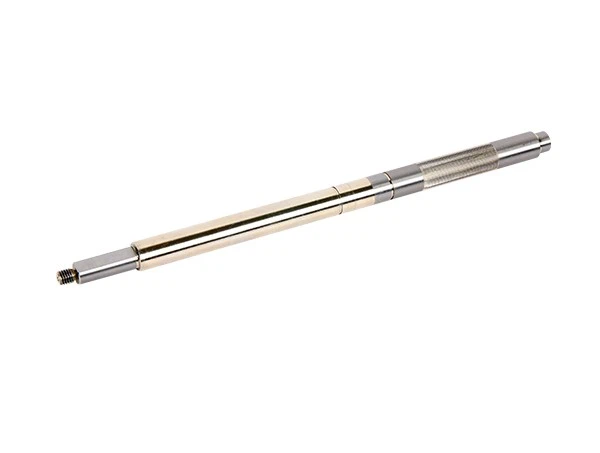
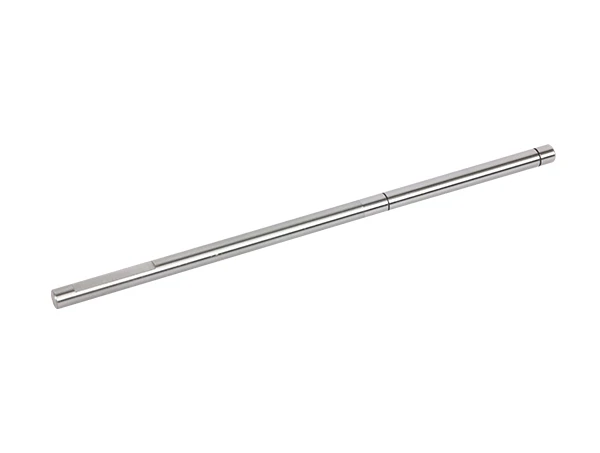
Precision shaft sleeves are integral parts in many mechanical systems, serving as a protective layer for shafts and reducing friction between moving parts. They are commonly used in applications such as Motor Rotor Shaft, Electric Motor Shaft, and Motor Output Shaft. These sleeves are designed to meet strict tolerances and specifications, ensuring smooth and efficient operation of the machinery.
Factors Affecting Repairability
The repairability of a precision shaft sleeve depends on several factors, including the type and extent of damage, the material of the sleeve, and the overall condition of the shaft.
Type and Extent of Damage
Minor damage such as surface scratches or small dents can often be repaired through processes like polishing or re - machining. However, if the damage is more severe, such as deep grooves, cracks, or significant wear that affects the dimensional accuracy of the sleeve, repair may be more challenging or even impossible. For example, a sleeve with a large crack may not be able to maintain its structural integrity after repair, and it might be more cost - effective to replace it.
Material of the Sleeve
The material of the precision shaft sleeve also plays a crucial role in determining its repairability. Some materials, like certain types of steel or bronze, are more amenable to repair processes. For instance, steel sleeves can often be heat - treated and re - machined to restore their original properties. On the other hand, sleeves made from more brittle materials may be difficult to repair without compromising their performance.
Overall Condition of the Shaft
The condition of the shaft on which the sleeve is mounted is another important factor. If the shaft itself is damaged or worn, simply repairing the sleeve may not solve the underlying problem. In such cases, both the shaft and the sleeve may need to be addressed simultaneously to ensure proper functioning of the system.
Repair Methods for Precision Shaft Sleeves
When it comes to repairing precision shaft sleeves, several methods can be employed, depending on the nature of the damage.
Polishing
Polishing is a common method for repairing minor surface damage. By using abrasive materials, the surface of the sleeve can be smoothed out, removing small scratches and burrs. This process can improve the surface finish of the sleeve, reducing friction and wear. However, it is only suitable for minor damage and may not be effective for deeper scratches or grooves.
Re - machining
Re - machining involves removing a small amount of material from the sleeve to restore its original dimensions. This can be done using lathes or other machining equipment. Re - machining is often used to correct minor dimensional inaccuracies or to remove damaged areas. However, it requires precise control to ensure that the sleeve still meets the required tolerances.
Welding and Brazing
For more severe damage, such as cracks or missing sections, welding or brazing can be used to repair the sleeve. Welding involves fusing the damaged parts together using heat, while brazing uses a filler metal to join the pieces. These methods require skilled technicians and proper equipment to ensure a strong and durable repair. However, welding and brazing can also introduce stress into the sleeve, which may affect its performance.
Benefits of Repairing Precision Shaft Sleeves
There are several benefits to repairing precision shaft sleeves instead of replacing them.
Cost - Savings
Repairing a shaft sleeve is often more cost - effective than purchasing a new one. This is especially true for high - precision or custom - made sleeves, which can be expensive to replace. By repairing the sleeve, businesses can save on the cost of a new component and reduce downtime.
Reduced Downtime
Replacing a shaft sleeve can be a time - consuming process, especially if the component needs to be ordered from a supplier. Repairing the sleeve on - site can significantly reduce downtime, allowing the machinery to get back up and running quickly.
Environmental Sustainability
Repairing shaft sleeves is also more environmentally friendly than replacing them. By extending the lifespan of the component, businesses can reduce waste and conserve resources.
When to Replace Instead of Repair
While there are many benefits to repairing precision shaft sleeves, there are also situations where replacement is the better option.
Severe Damage
If the damage to the sleeve is too severe, such as extensive cracking or significant loss of material, repair may not be feasible. In such cases, replacing the sleeve is the most practical solution.
Outdated Technology
If the sleeve is an older model and the repair process would be too complex or costly, it may be more beneficial to replace it with a newer, more efficient model.
Safety Concerns
In some cases, a damaged shaft sleeve may pose a safety risk. If the repair cannot guarantee the same level of safety as a new sleeve, replacement is the recommended course of action.
Conclusion
In conclusion, precision shaft sleeves can often be repaired, depending on the type and extent of damage, the material of the sleeve, and the overall condition of the shaft. Repairing these components can offer significant cost - savings, reduced downtime, and environmental benefits. However, there are also situations where replacement is the better option. As a precision shaft sleeve supplier, I'm here to assist you in making the right decision for your specific needs. Whether you need advice on repair or are looking to purchase new sleeves, I'm ready to help. If you have any questions or would like to discuss your requirements, please feel free to reach out. We can engage in a detailed discussion to find the best solution for your business.
References
- Smith, J. (2018). Handbook of Mechanical Components. Publisher X.
- Johnson, A. (2019). Precision Engineering: Principles and Applications. Publisher Y.