

How to check the winding resistance of an AC single phase motor?
Dec 12, 2025
As an AC single phase motor supplier, I often get asked about how to check the winding resistance of these motors. It's a crucial step in diagnosing motor problems, ensuring its efficiency, and making sure it's operating safely. So, let's dive into the process of checking the winding resistance of an AC single phase motor.
Why Check Winding Resistance?
Before we get into the how - to, let's talk about why it's important to check the winding resistance. The winding resistance can tell you a lot about the condition of the motor. An abnormal resistance value can indicate several issues such as shorted windings, open - circuited windings, or problems with the motor's insulation. These problems can lead to decreased motor performance, overheating, and even motor failure if not addressed.
Tools You'll Need
To check the winding resistance of an AC single phase motor, you'll need a few basic tools.
- A multimeter: This is the most important tool. You'll want to use a digital multimeter that can measure resistance accurately. Make sure it's set to the appropriate resistance range.
- Safety equipment: Always prioritize safety. Wear insulated gloves and safety glasses when working with electrical equipment.
- A screwdriver: You'll need it to open the motor's terminal box.
Step - by - Step Guide
Step 1: Safety First
Before you start any work on the motor, make sure it's completely disconnected from the power source. This might seem obvious, but it's a critical safety step. You don't want to accidentally get electrocuted while working on the motor. Double - check that the power switch is off, and if possible, lock it out to prevent anyone from turning it on while you're working.
Step 2: Locate the Terminal Box
Most AC single phase motors have a terminal box where the electrical connections are made. Use your screwdriver to open the terminal box. Inside, you'll see several terminals. Usually, there are two main windings in a single - phase motor: the main winding and the auxiliary winding. Each winding has its own set of terminals.
Step 3: Identify the Windings
On the terminal box or in the motor's documentation, there should be labels indicating which terminals belong to the main winding and which belong to the auxiliary winding. It's important to correctly identify them because the resistance values of these two windings are different.
Step 4: Set Up Your Multimeter
Turn on your multimeter and set it to the resistance (ohms) measurement mode. Select an appropriate range. If you're not sure what range to use, start with a high range and then adjust it as needed.
Step 5: Measure the Main Winding Resistance
Take the two probes of the multimeter and connect one to each terminal of the main winding. Make sure the connections are secure. The multimeter will display the resistance value of the main winding. Write down this value.
Step 6: Measure the Auxiliary Winding Resistance
Repeat the process for the auxiliary winding. Connect the multimeter probes to the terminals of the auxiliary winding and record the resistance value.
Step 7: Interpretation of Results
Now that you have the resistance values for both windings, it's time to interpret them. The resistance values can vary depending on the motor's size, power rating, and design. However, you can compare the measured values with the motor's specifications. If the measured resistance is significantly lower than the specified value, it could indicate a short - circuited winding. On the other hand, if the measured resistance is extremely high or shows an open - circuit reading, it might mean that the winding is open - circuited.
Common Issues and Troubleshooting
- Shorted Windings: If you suspect shorted windings, you can further test the motor by checking for continuity between different parts of the winding. A short - circuited winding can cause the motor to draw excessive current and overheat.
- Open - Circuited Windings: An open - circuited winding will prevent the motor from starting or cause it to run poorly. You may need to replace the damaged winding if this is the case.
Different Types of AC Single Phase Motors
There are several types of AC single phase motors, and the process of checking the winding resistance is generally the same for all of them. Some common types include:
- Ac Single Phase Induction Motor: These are widely used in various applications due to their simplicity and reliability.
- Capacitor Run Ac Single Phase Motor: These motors use a capacitor to improve their starting and running performance.
- 220v AC Single Phase Motor: Commonly used in household and small - scale industrial applications where a 220 - volt power supply is available.
Conclusion
Checking the winding resistance of an AC single phase motor is a relatively simple yet important process. It can help you diagnose potential problems early and take appropriate action to keep your motor running smoothly. Whether you're a DIY enthusiast or a professional in the field, understanding how to perform this check is a valuable skill.
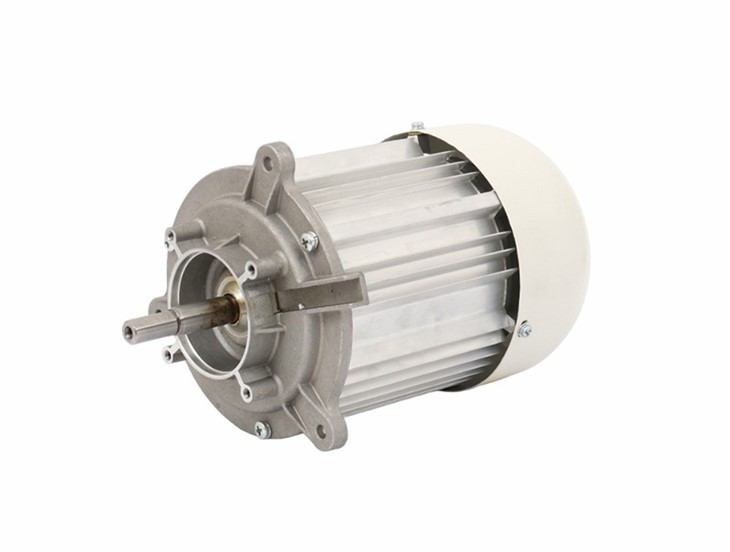
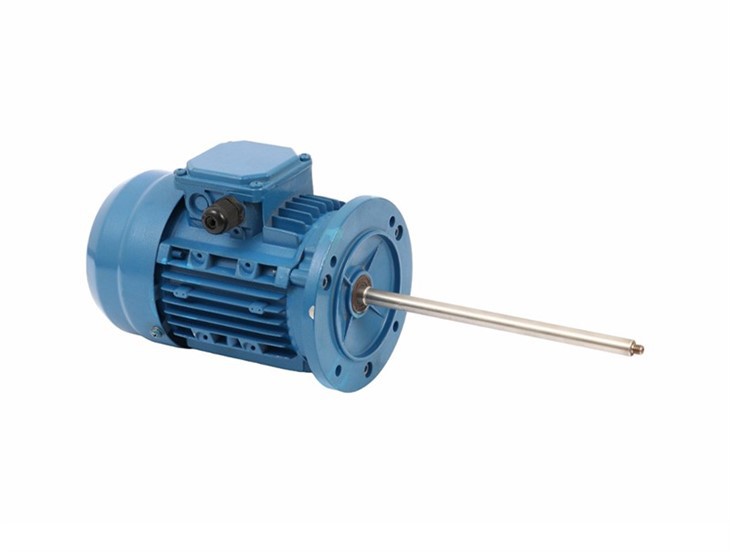
If you're in the market for high - quality AC single phase motors or need more in - depth advice on motor maintenance and troubleshooting, don't hesitate to reach out. We're here to help you find the right motor for your specific needs and ensure its optimal performance. Let's have a conversation to see how we can assist you with your motor requirements.
References
- Electrical Machinery Fundamentals by Stephen J. Chapman
- Industrial Motor Maintenance and Troubleshooting Handbook