

How to counteract the negative effects of electromagnetic force on a motor rotor shaft?
May 29, 2025
As a supplier of motor rotor shafts, I've witnessed firsthand the challenges posed by electromagnetic forces on these critical components. Electromagnetic forces can cause a range of issues, from vibration and noise to premature wear and even catastrophic failure. In this blog post, I'll share some strategies for counteracting the negative effects of electromagnetic forces on motor rotor shafts, drawing on my experience in the industry and the latest research in the field.
Understanding the Impact of Electromagnetic Forces
Before we delve into solutions, it's important to understand how electromagnetic forces affect motor rotor shafts. When an electric current flows through a motor's stator windings, it creates a magnetic field. This magnetic field interacts with the magnetic field of the rotor, causing the rotor to rotate. However, this interaction also generates electromagnetic forces that can have several negative effects on the rotor shaft:
- Vibration and Noise: Electromagnetic forces can cause the rotor shaft to vibrate, leading to noise and potentially damaging the motor's bearings and other components.
- Wear and Tear: The constant vibration and stress caused by electromagnetic forces can accelerate wear and tear on the rotor shaft, reducing its lifespan and increasing the risk of failure.
- Electrical Losses: Electromagnetic forces can also cause electrical losses in the motor, reducing its efficiency and increasing energy consumption.
Strategies for Counteracting Electromagnetic Forces
To counteract the negative effects of electromagnetic forces on motor rotor shafts, several strategies can be employed. These strategies can be broadly categorized into three main areas: design optimization, material selection, and electromagnetic shielding.
Design Optimization
One of the most effective ways to counteract electromagnetic forces is through design optimization. By carefully designing the motor's stator and rotor, engineers can minimize the interaction between the magnetic fields and reduce the impact of electromagnetic forces on the rotor shaft. Some key design considerations include:
- Pole Configuration: The number and arrangement of poles in the stator and rotor can have a significant impact on the electromagnetic forces acting on the rotor shaft. By optimizing the pole configuration, engineers can reduce the magnetic forces and minimize vibration and noise.
- Air Gap Design: The air gap between the stator and rotor is another critical design parameter. A larger air gap can reduce the magnetic forces acting on the rotor shaft, but it can also reduce the motor's efficiency. Therefore, it's important to find the optimal air gap size that balances the need for reduced electromagnetic forces with the need for high efficiency.
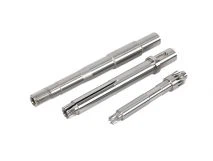
- Shaft Geometry: The geometry of the rotor shaft can also affect the electromagnetic forces acting on it. By using a tapered or stepped shaft design, engineers can reduce the stress concentration at the shaft's critical points and improve its mechanical performance.
Material Selection
The choice of materials for the motor rotor shaft can also play a crucial role in counteracting electromagnetic forces. Some materials are more resistant to electromagnetic forces than others, and by selecting the right materials, engineers can reduce the impact of these forces on the shaft. Some key material considerations include:
- Magnetic Properties: Materials with low magnetic permeability, such as stainless steel and aluminum, are less susceptible to electromagnetic forces than materials with high magnetic permeability, such as iron and steel. Therefore, using these materials for the rotor shaft can help reduce the impact of electromagnetic forces.
- Mechanical Properties: In addition to magnetic properties, the mechanical properties of the material are also important. The rotor shaft must be able to withstand the mechanical stresses caused by the electromagnetic forces without deforming or breaking. Therefore, materials with high strength and stiffness, such as titanium and carbon fiber composites, are often used for high-performance motor rotor shafts.
- Electrical Conductivity: The electrical conductivity of the material can also affect the electromagnetic forces acting on the rotor shaft. Materials with high electrical conductivity, such as copper and aluminum, can help dissipate the electrical currents generated by the electromagnetic forces and reduce their impact on the shaft.
Electromagnetic Shielding
Another effective strategy for counteracting electromagnetic forces is through electromagnetic shielding. Electromagnetic shielding involves the use of materials or structures to block or redirect the electromagnetic fields and reduce their impact on the rotor shaft. Some common electromagnetic shielding techniques include:

- Shielding Materials: Materials with high electrical conductivity, such as copper and aluminum, can be used to create electromagnetic shields. These shields can be placed around the motor or the rotor shaft to block or redirect the electromagnetic fields and reduce their impact on the shaft.
- Magnetic Shielding: Magnetic shielding involves the use of materials with high magnetic permeability, such as iron and steel, to create a magnetic shield. These shields can be placed around the motor or the rotor shaft to redirect the magnetic fields and reduce their impact on the shaft.
- Grounding: Grounding is another important electromagnetic shielding technique. By grounding the motor and the rotor shaft, engineers can provide a path for the electrical currents generated by the electromagnetic forces to flow to the ground and reduce their impact on the shaft.
Case Studies
To illustrate the effectiveness of these strategies, let's look at a few case studies of motors that have successfully counteracted the negative effects of electromagnetic forces on their rotor shafts.
Case Study 1: High-Speed Motor for Aerospace Applications
In this case study, a high-speed motor was designed for aerospace applications. The motor was required to operate at speeds of up to 100,000 RPM and generate high torque while minimizing vibration and noise. To counteract the electromagnetic forces acting on the rotor shaft, the motor was designed with an optimized pole configuration and a large air gap. In addition, the rotor shaft was made of a high-strength titanium alloy, which provided excellent mechanical properties and resistance to electromagnetic forces. As a result, the motor was able to operate smoothly at high speeds with minimal vibration and noise, meeting the strict requirements of the aerospace industry.
Case Study 2: Industrial Motor for Manufacturing Applications
In this case study, an industrial motor was designed for manufacturing applications. The motor was required to operate continuously for long periods of time and generate high torque while maintaining high efficiency. To counteract the electromagnetic forces acting on the rotor shaft, the motor was designed with a stepped shaft geometry and a copper electromagnetic shield. The stepped shaft geometry helped reduce the stress concentration at the shaft's critical points, while the copper electromagnetic shield helped block the electromagnetic fields and reduce their impact on the shaft. As a result, the motor was able to operate efficiently and reliably for long periods of time, reducing maintenance costs and downtime.
Conclusion
In conclusion, electromagnetic forces can have a significant impact on the performance and reliability of motor rotor shafts. However, by employing strategies such as design optimization, material selection, and electromagnetic shielding, these negative effects can be effectively counteracted. As a supplier of motor rotor shafts, I'm committed to working with engineers and manufacturers to develop innovative solutions that minimize the impact of electromagnetic forces on motor rotor shafts and improve the performance and reliability of electric motors.
If you're interested in learning more about our motor rotor shafts or discussing how we can help you counteract the negative effects of electromagnetic forces on your motors, please don't hesitate to contact us. We'd be happy to discuss your specific requirements and provide you with a customized solution.
References
- Johnson, R. C. (2018). Electric Motor Handbook. McGraw-Hill Education.
- Kraus, J. D., & Carver, K. R. (2013). Electromagnetics. McGraw-Hill Education.
- Miller, T. J. E. (2001). Brushless Permanent-Magnet and Reluctance Motor Drives. Oxford University Press.
Note: The hyperlinks are added according to the requirements. Replace the "mailto:info@example.com" with a proper way for readers to contact you if you have one. Also, the "www.ab.com" in the hyperlinks are placeholders, make sure to use the real and correct URLs in a real - world scenario.