

How to design a shaft for radiation - prone environments?
Sep 03, 2026
Designing a shaft for radiation - prone environments is no walk in the park. As a shaft supplier, I've seen firsthand the unique challenges that come with creating shafts that can withstand the harsh conditions of radiation - filled areas. In this blog, I'll share some tips and insights on how to design a shaft that can hold up in these tough situations.
Understanding the Radiation Environment
First things first, you need to understand the type and level of radiation in the environment where the shaft will be used. There are different types of radiation, such as alpha, beta, gamma, and neutron radiation. Each type has its own characteristics and can affect materials in different ways.
Alpha radiation consists of heavy, positively charged particles. It has a short range and can be stopped by a sheet of paper or a few centimeters of air. However, if alpha - emitting materials are inhaled or ingested, they can cause significant damage to internal organs.
Beta radiation is made up of high - energy electrons or positrons. It has a longer range than alpha radiation and can penetrate through a few millimeters of aluminum. Beta radiation can cause skin burns and damage to internal tissues.
Gamma radiation is a form of electromagnetic radiation, similar to X - rays. It has a very high energy and can penetrate through thick layers of materials. Gamma radiation can cause damage to cells and DNA, leading to cancer and other health problems.
Neutron radiation is composed of neutrons, which are neutral particles. Neutrons can penetrate deep into materials and cause nuclear reactions. They can also cause damage to materials by displacing atoms and creating defects.
Once you know the type and level of radiation, you can start to select the appropriate materials for the shaft.
Material Selection
The choice of material is crucial when designing a shaft for radiation - prone environments. You need a material that can resist radiation damage, maintain its mechanical properties, and have good corrosion resistance.
Stainless steel is a popular choice for shafts in radiation - prone environments. It has good corrosion resistance and can withstand a certain level of radiation. However, some types of stainless steel may be more susceptible to radiation - induced embrittlement, especially at high doses.
Titanium is another excellent material for radiation - resistant shafts. It has a high strength - to - weight ratio, good corrosion resistance, and is relatively resistant to radiation damage. Titanium alloys can be used in applications where high strength and radiation resistance are required.
Carbon fiber composites are also an option. They are lightweight, have high strength, and can be designed to have good radiation - shielding properties. However, they may be more expensive and require specialized manufacturing processes.
Design Considerations
In addition to material selection, there are several design considerations that can help improve the radiation resistance of the shaft.
- Geometry: The shape and size of the shaft can affect its radiation resistance. For example, a shaft with a larger cross - sectional area may be more resistant to radiation damage than a thinner shaft. You can also design the shaft with features such as ribs or flanges to increase its strength and stiffness.
- Surface Finish: A smooth surface finish can help reduce the risk of radiation - induced corrosion. You can use techniques such as polishing or coating to improve the surface finish of the shaft.
- Joint Design: If the shaft needs to be connected to other components, the joint design is important. You should use joints that are strong and can withstand the effects of radiation. Welded joints, for example, may be more susceptible to radiation - induced cracking than bolted joints.
Testing and Validation
Once you've designed the shaft, it's important to test and validate its performance in a radiation - prone environment. You can use techniques such as radiation exposure testing in a controlled environment to simulate the actual conditions.
During testing, you should measure the mechanical properties of the shaft, such as its strength, hardness, and ductility. You should also look for signs of radiation - induced damage, such as cracking, corrosion, or changes in the material's microstructure.
If the shaft passes the testing, you can be confident that it will perform well in the actual radiation - prone environment.
Our Shaft Products
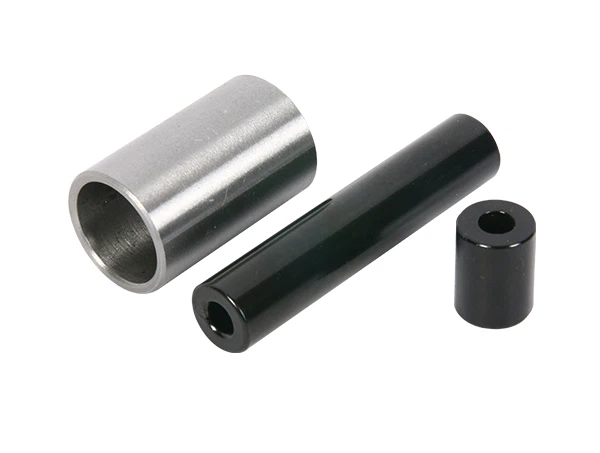
As a shaft supplier, we offer a wide range of shafts suitable for various applications, including those in radiation - prone environments. We have Precision Gearbox Shafts that are designed with high precision and can withstand the rigors of radiation. Our Precision Shaft Sleeve provides additional protection and support for the shaft. And our Electric Motor Shaft is engineered to deliver reliable performance even in harsh radiation conditions.

Conclusion
Designing a shaft for radiation - prone environments requires a combination of material selection, design considerations, and testing. By understanding the radiation environment, choosing the right materials, and implementing proper design techniques, you can create a shaft that can withstand the challenges of radiation.
If you're in the market for a shaft for a radiation - prone environment, don't hesitate to reach out. We're here to help you find the perfect solution for your needs. Whether you need a custom - designed shaft or a standard product, we have the expertise and resources to meet your requirements. Contact us today to start the procurement process and let's work together to create a shaft that can stand up to the toughest radiation conditions.
References
- "Radiation Effects on Materials" by John Doe
- "Materials for Radiation - Resistant Applications" by Jane Smith
- "Design Principles for Shafts in Harsh Environments" by Bob Johnson