

How to determine if an AC single phase motor needs replacement?
Oct 31, 2025
Determining whether an AC single-phase motor needs replacement is a crucial decision for many businesses and individuals. As a long - standing AC single - phase motor supplier, I've encountered numerous situations where customers were unsure about the status of their motors. In this blog, I'll share some practical methods to help you make an informed decision.
1. Performance Assessment
The first step in determining if an AC single - phase motor needs replacement is to evaluate its performance. A well - functioning motor should operate smoothly and efficiently.
Power Output
Check if the motor is delivering the expected power. If you notice a significant decrease in power, it could be a sign of trouble. For example, if a motor is supposed to drive a conveyor belt at a certain speed but is now moving it sluggishly, the power output may be compromised. This could be due to worn - out windings, a damaged capacitor, or other internal issues.
Speed Variation
An AC single - phase motor should maintain a relatively constant speed under normal operating conditions. Excessive speed fluctuations can indicate problems. If the motor speed varies widely, it might be because of electrical faults such as short - circuits in the windings or mechanical problems like a loose belt or misaligned shaft.
Starting Ability
A healthy motor should start promptly when powered on. If you find that the motor takes a long time to start, or it fails to start at all, there's likely an issue. In AC single - phase motors, the starting capacitor plays a vital role in the starting process. A faulty capacitor can prevent the motor from generating enough torque to start. You can test the capacitor with a multimeter to see if it's within the specified capacitance range.

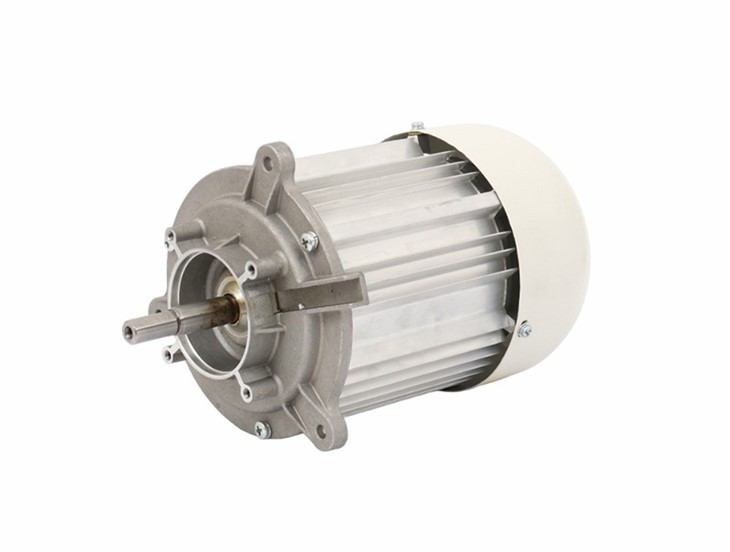
2. Physical Inspection
A thorough physical inspection of the motor can reveal a lot about its condition.
Overheating
Overheating is a common problem in motors and can lead to serious damage over time. Check the motor's temperature during operation. If it feels extremely hot to the touch, there could be several causes. It might be due to overloading, poor ventilation, or electrical problems. For instance, if the motor is driving a load that is too heavy for its rated capacity, it will draw more current, which in turn generates more heat. Make sure the motor's ventilation openings are clear of debris to allow proper cooling.
Noise and Vibration
Unusual noise and excessive vibration are clear indicators of problems. A rattling noise could mean that there are loose parts inside the motor, such as screws or bearings. Grinding or screeching sounds might suggest that the bearings are worn out and need to be replaced. Vibration can be caused by misalignment of the motor shaft, unbalanced rotating parts, or loose mounting. If you notice abnormal noise or vibration, it's important to address the issue promptly to prevent further damage.
Visual Damage
Inspect the motor for any visible signs of damage, such as cracks in the housing, burnt wires, or corroded terminals. Cracks in the housing can allow dust and moisture to enter the motor, which can damage the internal components. Burnt wires are a clear sign of overheating and electrical problems, and corroded terminals can cause poor electrical connections, leading to reduced performance.
3. Electrical Testing
Electrical testing is an essential part of determining the motor's condition.
Resistance Testing
You can use a multimeter to measure the resistance of the motor windings. Each winding should have a specific resistance value within a certain tolerance range. If the measured resistance is significantly different from the specified value, it could indicate a short - circuit or an open - circuit in the winding. For example, if the resistance is too low, there might be a short - circuit, and if it's too high, there could be an open - circuit.
Insulation Resistance Testing
Insulation resistance testing is used to check the integrity of the motor's insulation. A low insulation resistance value can indicate that the insulation has been damaged, which can lead to electrical leakage and potential safety hazards. You can use an insulation resistance tester to measure the insulation resistance between the motor windings and the motor frame. A healthy motor should have a high insulation resistance value.
4. Operating Environment
The operating environment can have a significant impact on the lifespan of an AC single - phase motor.
Dust and Moisture
Motors operating in dusty or moist environments are more prone to damage. Dust can accumulate inside the motor, clogging the ventilation openings and causing overheating. Moisture can corrode the electrical components and reduce the insulation resistance. If your motor is exposed to such conditions, it's important to take appropriate protective measures, such as using enclosures or regular cleaning and maintenance.
Chemical Exposure
In some industrial settings, motors may be exposed to chemicals. Chemicals can corrode the motor's housing, windings, and other components. If your motor is in an environment where it's exposed to chemicals, make sure it's properly protected. You may need to choose a motor with a higher level of chemical resistance or use protective coatings.
5. Age and Usage
The age and usage of the motor are also important factors to consider.
Age
AC single - phase motors have a limited lifespan. As a general rule, if a motor is more than 10 - 15 years old, it may be more prone to failure. Over time, the insulation in the windings can deteriorate, the bearings can wear out, and other components can become less reliable. If your motor is approaching or has exceeded this age range, it might be a good idea to start considering a replacement.
Usage
The frequency and intensity of use also affect the motor's lifespan. A motor that is used continuously for long periods or is frequently started and stopped will experience more wear and tear than a motor that is used less frequently. If your motor has been used heavily, it may need to be replaced sooner.
In conclusion, determining if an AC single - phase motor needs replacement requires a comprehensive assessment of its performance, physical condition, electrical characteristics, operating environment, age, and usage. If you find that your motor is experiencing multiple problems or is beyond repair, it's time to consider a replacement.
As an AC single - phase motor supplier, we offer a wide range of high - quality motors, including Ac Single Phase Induction Motor, Ac Single Phase Asynchronous Motor, and Water Pump AC Single Phase Motor. Our motors are designed to provide reliable performance and long - term durability. If you're in need of a new motor or have any questions about motor replacement, we encourage you to contact us for a detailed discussion and procurement negotiation.
References
- "Electric Motors and Control Systems" by Stephen L. Herman
- "Motor and Drive Troubleshooting" by Michael A. Johnson