

How to identify different motor frame components?
Nov 05, 2025
Hey there! As a supplier of motor frame components, I've seen firsthand how important it is to be able to identify different parts. Whether you're a seasoned mechanic, an engineer, or just someone looking to learn more about motors, this guide is for you. In this blog, I'll walk you through the key components of a motor frame and how to tell them apart.
The Basics of a Motor Frame
Before we dive into the specific components, let's talk about the motor frame itself. The motor frame is the outer casing that houses all the other parts of the motor. It provides structural support, protection, and a mounting point for the motor. Motor frames come in various shapes and sizes, depending on the type and application of the motor.
Stator and Rotor
The stator and rotor are the two main rotating components of an electric motor. The stator is the stationary part of the motor, and it consists of a series of coils of wire wound around a core. When an electric current is applied to these coils, they create a magnetic field. The rotor, on the other hand, is the rotating part of the motor. It's usually made of a series of laminated steel sheets with conductors embedded in them. When the magnetic field from the stator interacts with the conductors in the rotor, it causes the rotor to turn.
To identify the stator, look for the stationary part of the motor that has the coils of wire. The stator is typically located on the outside of the motor, surrounding the rotor. The rotor, meanwhile, is the part that spins. You can usually see it through the opening at the end of the motor.
Motor End Cover
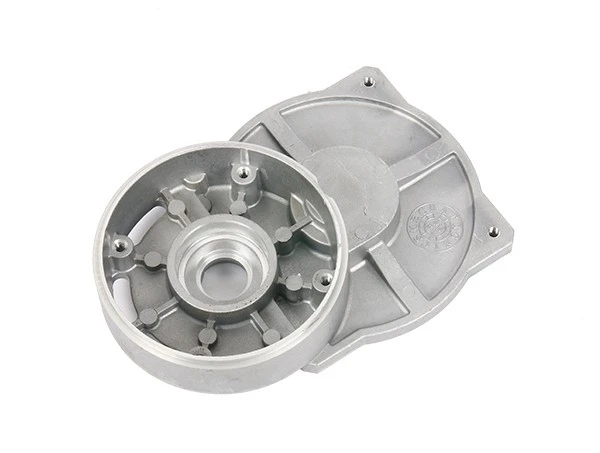
The motor end cover is exactly what it sounds like – a cover that goes on the end of the motor. It serves several important functions. First, it protects the internal components of the motor from dust, dirt, and other contaminants. Second, it helps to seal the motor, preventing lubricants from leaking out and keeping moisture from getting in. Third, it provides a mounting point for the bearings that support the rotor.
You can identify the motor end cover by looking for the flat or slightly curved plate that covers the end of the motor. It's usually held in place by a series of bolts or screws. Some end covers may have ventilation holes or other features to help with cooling.
Bearings
Bearings are essential components in a motor. They support the rotor and allow it to rotate smoothly with minimal friction. There are two main types of bearings used in motors: ball bearings and sleeve bearings. Ball bearings use small metal balls to reduce friction, while sleeve bearings use a thin layer of lubricant between the shaft and the bearing surface.
To identify bearings, look for the small circular or cylindrical components that are located at either end of the rotor. They're usually made of metal and may be enclosed in a housing. Ball bearings will have a series of small balls inside, while sleeve bearings will have a smooth, cylindrical surface.
Three-Phase Motor Components
Three-phase motors are commonly used in industrial applications because they're more efficient and powerful than single-phase motors. In a three-phase motor, the stator has three sets of coils that are connected to a three-phase power supply. This creates a rotating magnetic field that drives the rotor.
Identifying three-phase motor components can be a bit more complex. Look for the stator coils that are grouped in threes. You may also notice that the motor has three power leads instead of one or two, which is a telltale sign of a three-phase motor. Additionally, three-phase motors may have a special starting mechanism, such as a capacitor or a star-delta starter, which you can identify by looking for additional components near the motor.
Motor Coil Winding Components
The coil winding components are crucial for generating the magnetic field in the motor. The coils are made of insulated wire that is wound around a core. The number of turns in the coil, the gauge of the wire, and the type of insulation all affect the performance of the motor.
To identify coil winding components, look for the bundles of wire that are neatly wound around a form. They may be located in the stator or in other parts of the motor, depending on the design. You may also see components such as bobbins or insulation materials that are used in the winding process.
Terminal Box
The terminal box is where the electrical connections are made to the motor. It contains the terminals where the power supply wires are attached, as well as any other electrical components, such as fuses or switches. The terminal box is usually located on the outside of the motor frame and is easily accessible.
You can identify the terminal box by looking for a small box or enclosure on the side of the motor. It will have a cover that can be removed to access the terminals. Inside, you'll see the metal terminals where the wires are connected, as well as any other electrical components.
Cooling Fan
Many motors have a cooling fan to help dissipate heat. The fan is usually located at one end of the motor and is driven by the rotor. As the fan spins, it draws air through the motor, cooling the internal components.
To identify the cooling fan, look for a small fan blade attached to the end of the rotor. It may be covered by a protective shroud to prevent fingers or other objects from getting caught in the blades. The fan will be spinning when the motor is running, and you can usually feel the air being drawn through the motor.

Tips for Identifying Components
- Use a Manual: If you're working on a specific motor, the manufacturer's manual can be a great resource. It will usually have detailed diagrams and descriptions of all the components.
- Take Photos: Before you start taking the motor apart, take some photos of the components in their original positions. This will help you put everything back together correctly and also make it easier to identify the parts later.
- Label Components: If you're disassembling the motor, label each component with a piece of tape or a marker. This will prevent you from getting confused about which part goes where.
Why Identifying Components Matters
Being able to identify different motor frame components is important for several reasons. First, it allows you to perform maintenance and repairs on the motor. If you know what each part is, you can diagnose problems more easily and replace the faulty components. Second, it helps you to understand how the motor works. This knowledge can be useful if you're designing or selecting a motor for a specific application. Finally, it can save you time and money. By being able to identify components quickly, you can avoid ordering the wrong parts and reduce downtime.
Contact Us for Your Motor Component Needs
If you're in the market for high-quality motor frame components, look no further. As a trusted supplier, we offer a wide range of components to meet your needs. Whether you need a new Motor End Cover, Three-Phase Motor Components, or Motor Coil Winding Components, we've got you covered.
Contact us today to discuss your requirements and get a quote. We're here to help you find the right components for your motor and ensure its optimal performance.
References
- Electrical Motor Handbook
- Industrial Motor Maintenance Guide
- Motor Component Manufacturing Standards