

How to inspect a drive belt pulley for wear?
Sep 11, 2026
Inspecting a drive belt pulley for wear is a crucial maintenance task that can prevent costly breakdowns and ensure the smooth operation of various mechanical systems. As a drive belt pulley supplier, I understand the importance of providing high - quality products and offering valuable advice to our customers. In this blog, I will share detailed steps on how to inspect a drive belt pulley for wear.
Visual Inspection
The first step in inspecting a drive belt pulley is a visual examination. Start by looking at the pulley's surface. Check for any signs of cracks, chips, or excessive wear on the pulley's outer rim. Cracks can weaken the pulley and may lead to sudden failure, while chips can cause the belt to slip or wear unevenly.
Examine the grooves of the pulley. The grooves should be clean and free of debris. If there is dirt, grime, or old rubber residue in the grooves, it can affect the belt's grip. Over time, the grooves may wear down, and the sides of the grooves may become rounded. A worn - out groove can cause the belt to ride too high or too low, leading to premature belt failure.
Also, look for any signs of misalignment. A misaligned pulley can cause the belt to wear unevenly on one side. You can use a straightedge to check if the pulley is in line with other components in the system. If the pulley is misaligned, it needs to be adjusted to ensure proper belt operation.
Measuring the Pulley
To accurately assess the wear of a drive belt pulley, you need to measure its key dimensions. One of the most important measurements is the diameter of the pulley. A decrease in the pulley's diameter can indicate significant wear. You can use a caliper to measure the diameter at several points around the pulley to ensure accuracy.
Measure the width of the grooves as well. Worn grooves will have a wider width than the original specification. Compare the measured width with the manufacturer's specifications. If the width exceeds the allowable tolerance, it may be time to replace the pulley.
Another critical measurement is the depth of the grooves. A worn - out groove will have a shallower depth. Use a depth gauge to measure the groove depth. If the depth is below the recommended value, the pulley may not provide a proper grip for the belt, and replacement is necessary.
Checking for Runout
Runout refers to the deviation of the pulley's rotation from a perfect circle. Excessive runout can cause the belt to vibrate, leading to increased wear and reduced efficiency. To check for runout, you can use a dial indicator.
Mount the dial indicator on a stable surface near the pulley. Position the indicator's probe against the outer edge of the pulley. Slowly rotate the pulley by hand. The dial indicator will show the amount of runout. Most manufacturers specify a maximum allowable runout for their pulleys. If the measured runout exceeds this limit, the pulley may need to be re - machined or replaced.
Assessing the Pulley's Material
The material of the pulley can also give clues about its wear. Some pulleys are made of cast iron, while others are made of aluminum or steel. Different materials have different wear characteristics.
For example, cast - iron pulleys may develop a patina over time, which is normal. However, if you notice excessive pitting or corrosion on the surface, it can indicate accelerated wear. Aluminum pulleys are lightweight but may be more prone to scratching and galling. Steel pulleys are generally more durable but can rust if not properly protected.
Inspect the pulley for any signs of material fatigue. Fatigue can cause small cracks to form, which can eventually lead to pulley failure. Look for areas where the material seems to be thinning or where there are signs of stress concentration.
Importance of Regular Inspections
Regular inspections of drive belt pulleys are essential for maintaining the reliability of mechanical systems. By detecting wear early, you can prevent unexpected breakdowns and reduce the risk of damage to other components in the system.

For example, a worn - out pulley can cause the belt to slip, which can lead to overheating and reduced power transmission. This can put additional stress on the motor and other parts of the system, potentially causing them to fail prematurely.
Regular inspections also allow you to plan for maintenance and replacement in advance. You can order new pulleys in a timely manner, minimizing downtime and ensuring that your equipment is always in optimal working condition.
Related Products
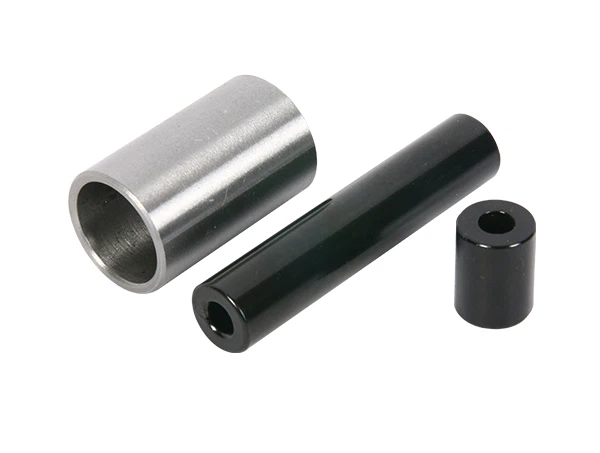
As a drive belt pulley supplier, we also offer a range of related products that can enhance the performance of your mechanical systems. For example, we provide Precision Shaft Sleeve, which can improve the alignment and stability of the pulley on the shaft. Our Internal Spline Shaft is designed to provide a strong and reliable connection between the pulley and the shaft. And our Cylindrical Shaft Sleeves can protect the shaft from wear and damage.
Conclusion
Inspecting a drive belt pulley for wear is a multi - step process that requires careful attention to detail. By following the steps outlined in this blog, you can effectively assess the condition of your pulleys and take appropriate action to ensure the smooth operation of your mechanical systems.
If you are in need of high - quality drive belt pulleys or any of our related products, we invite you to contact us for a purchase consultation. Our team of experts is ready to assist you in finding the right solutions for your specific needs.
References
- Machinery's Handbook, 31st Edition
- Automotive Service: Inspection, Maintenance, Repair, 5th Edition
- Industrial Maintenance and Troubleshooting, 2nd Edition