

How to optimize the power consumption of a brushed DC motor?
Aug 14, 2026
As a supplier of brushed DC motors, I understand the importance of optimizing power consumption in these motors. Brushed DC motors are widely used in various applications, from small household appliances to large industrial machinery. However, their power consumption can be a significant concern, especially in applications where energy efficiency is crucial. In this blog post, I will share some practical tips on how to optimize the power consumption of a brushed DC motor.
Understanding the Basics of Brushed DC Motors
Before we dive into the optimization techniques, let's first understand the basic working principle of a brushed DC motor. A brushed DC motor consists of a stator (the stationary part) and a rotor (the rotating part). The stator contains permanent magnets or electromagnets that create a magnetic field. The rotor has a coil of wire that is connected to a commutator. When an electric current is applied to the coil, it creates a magnetic field that interacts with the stator's magnetic field, causing the rotor to rotate.
The brushes, which are made of carbon or graphite, are in contact with the commutator and provide the electrical connection between the power source and the rotor. As the rotor rotates, the brushes slide over the commutator segments, reversing the direction of the current in the coil and keeping the motor rotating.
Factors Affecting Power Consumption
Several factors can affect the power consumption of a brushed DC motor. Understanding these factors is essential for optimizing power consumption. Here are some of the key factors:
- Load: The load on the motor is one of the most significant factors affecting power consumption. A higher load requires more torque, which in turn requires more power. Therefore, it is important to choose a motor with the appropriate power rating for the application.
- Speed: The speed of the motor also affects power consumption. Generally, a higher speed requires more power. However, the relationship between speed and power consumption is not linear. At very high speeds, the power consumption may increase significantly due to increased friction and other losses.
- Efficiency: The efficiency of the motor is another important factor. A more efficient motor will consume less power for the same output. The efficiency of a brushed DC motor depends on several factors, including the design of the motor, the quality of the materials used, and the operating conditions.
- Voltage: The voltage applied to the motor also affects power consumption. A higher voltage will generally result in higher power consumption. However, it is important to note that the motor's power rating is usually specified at a specific voltage. Therefore, it is important to use the correct voltage for the motor.
Optimization Techniques
Now that we understand the factors affecting power consumption, let's look at some optimization techniques that can help reduce the power consumption of a brushed DC motor.
1. Choose the Right Motor
The first step in optimizing power consumption is to choose the right motor for the application. This means selecting a motor with the appropriate power rating, speed, and torque for the load. Choosing a motor that is too large for the application will result in unnecessary power consumption, while choosing a motor that is too small may not be able to handle the load.
When selecting a motor, it is also important to consider the efficiency of the motor. Look for motors with high efficiency ratings, as these will consume less power for the same output. You can find the efficiency rating of a motor in its datasheet.
2. Use a Speed Controller
A speed controller can be used to adjust the speed of the motor based on the load. By reducing the speed of the motor when the load is low, you can significantly reduce power consumption. There are several types of speed controllers available, including pulse width modulation (PWM) controllers and variable frequency drives (VFDs).
PWM controllers work by varying the width of the pulses of electrical current sent to the motor. By adjusting the pulse width, you can control the average voltage applied to the motor and therefore the speed of the motor. VFDs, on the other hand, work by varying the frequency of the electrical current sent to the motor. This allows for more precise control of the motor speed.
3. Reduce Friction
Friction is one of the main sources of power loss in a brushed DC motor. By reducing friction, you can improve the efficiency of the motor and reduce power consumption. There are several ways to reduce friction in a motor, including:
- Lubrication: Using a high-quality lubricant can help reduce friction between the moving parts of the motor. Make sure to use the lubricant recommended by the motor manufacturer.
- Proper Alignment: Ensuring that the motor is properly aligned with the load can help reduce friction. Misalignment can cause the motor to work harder and consume more power.
- Using Low-Friction Bearings: Using low-friction bearings can also help reduce friction in the motor. There are several types of low-friction bearings available, including ball bearings and roller bearings.
4. Optimize the Motor's Design
The design of the motor can also have a significant impact on its power consumption. Here are some design considerations that can help optimize power consumption:
- Coil Design: The design of the motor's coil can affect its efficiency. Using a coil with a higher number of turns can increase the motor's torque and efficiency.
- Magnet Design: The design of the motor's magnets can also affect its efficiency. Using high-strength magnets can increase the motor's torque and efficiency.
- Commutator Design: The design of the commutator can affect the motor's performance and power consumption. Using a commutator with a larger diameter can reduce the resistance and improve the motor's efficiency.
5. Monitor and Maintain the Motor
Regular monitoring and maintenance of the motor can help ensure that it is operating at its optimal efficiency. Here are some maintenance tasks that can help optimize power consumption:
- Cleaning: Keeping the motor clean can help prevent dirt and debris from accumulating on the motor's components, which can reduce its efficiency.
- Inspection: Regularly inspecting the motor for signs of wear and tear can help identify any potential problems before they become serious.
- Testing: Testing the motor's performance regularly can help ensure that it is operating at its optimal efficiency. You can use a multimeter to measure the motor's voltage, current, and resistance.
Conclusion
Optimizing the power consumption of a brushed DC motor is essential for reducing energy costs and improving the efficiency of your applications. By understanding the factors affecting power consumption and implementing the optimization techniques discussed in this blog post, you can significantly reduce the power consumption of your brushed DC motor.
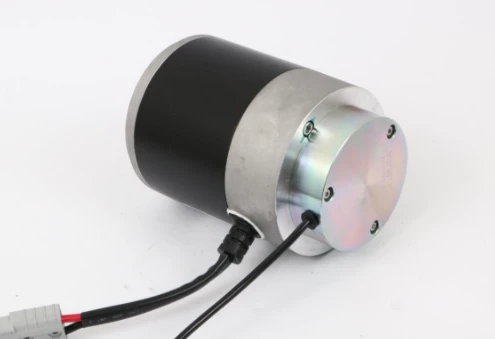
If you are interested in purchasing a brushed DC motor, we offer a wide range of 24V 500W Brushed DC Motor, Brushed Dc Electric Motor, and 500W Brushed DC Motor. Our motors are designed to be energy-efficient and reliable, making them ideal for a variety of applications. If you have any questions or would like to discuss your specific requirements, please feel free to contact us for a procurement negotiation.

References
- "Electric Motors and Drives: Fundamentals, Types and Applications" by Austin Hughes and Bill Drury
- "Power Electronics: Converters, Applications, and Design" by Ned Mohan, Tore M. Undeland, and William P. Robbins