

How to prevent corrosion of motor components?
Aug 01, 2025
Hey there! As a supplier of motor components, I've seen firsthand how corrosion can mess up these parts big time. Corrosion not only shortens the lifespan of motor components but also affects their performance. In this blog, I'm gonna share some practical ways to prevent corrosion of motor components.
Understanding Corrosion in Motor Components
Before we jump into prevention methods, let's quickly understand what corrosion is. Corrosion is basically a chemical reaction between a metal and its environment. In the case of motor components, things like moisture, oxygen, and certain chemicals can trigger this reaction.
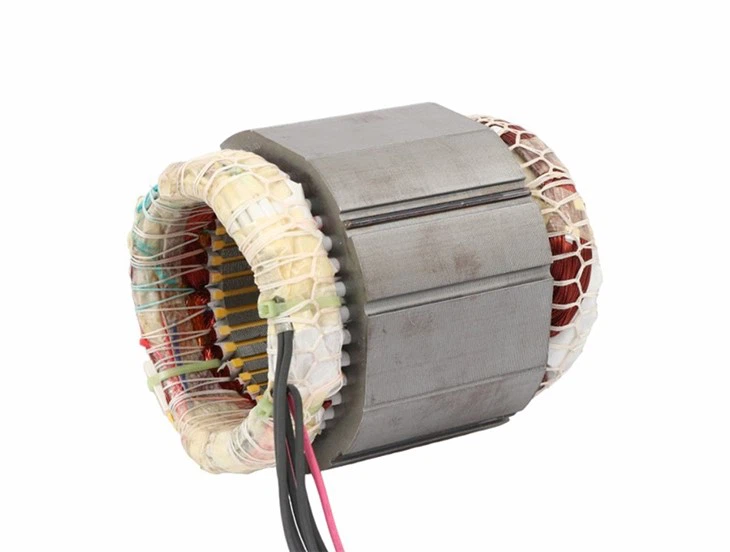
For example, when iron in motor parts reacts with oxygen in the presence of water, it forms iron oxide, which we commonly know as rust. Rust can make the components weaker and less efficient. Different motor components are at risk, including Motor Frame Components, Motor Coil Winding Components, and Motor Stator Components.
Choosing the Right Materials
One of the first steps in preventing corrosion is to choose the right materials for motor components. Some metals are more resistant to corrosion than others. Stainless steel, for instance, is a great choice. It contains chromium, which forms a thin, protective layer on the surface when exposed to oxygen. This layer prevents further corrosion.
Aluminum is another good option. It has a natural oxide layer that protects it from corrosion. However, it's important to note that aluminum can corrode in certain environments, like those with high levels of salt or acids. So, depending on where the motor will be used, you need to pick the most suitable material.
Surface Treatments
Surface treatments are a key part of corrosion prevention. There are several types of surface treatments available, and each has its own advantages.
Coating
Coating is one of the most common surface treatments. You can apply a paint or a polymer coating to the motor components. These coatings act as a barrier between the metal and the environment, preventing moisture and oxygen from reaching the surface.
For example, epoxy coatings are very durable and provide excellent corrosion resistance. They can withstand harsh conditions and are often used in industrial motors. Another option is powder coating. It's a dry finishing process that creates a tough, protective layer. Powder coatings come in a variety of colors and can also enhance the appearance of the components.
Galvanizing
Galvanizing is the process of applying a layer of zinc to the metal surface. Zinc is more reactive than iron, so when it's exposed to the environment, it corrodes first, protecting the underlying metal. Galvanized motor components can last much longer in corrosive environments.
Anodizing
Anodizing is mainly used for aluminum components. It's an electrochemical process that thickens the natural oxide layer on the aluminum surface. This makes the aluminum more resistant to corrosion and wear. Anodized aluminum also has a better appearance and can be dyed in different colors.
Environmental Control
Controlling the environment where the motor operates is crucial for preventing corrosion. Here are some ways to do it.
Moisture Control
Moisture is one of the main causes of corrosion. So, it's important to keep the motor dry. You can use dehumidifiers in the storage area to reduce the humidity level. In the operating environment, make sure there are proper drainage systems to prevent water from pooling around the motor.
If the motor is used outdoors, it should be protected by a waterproof enclosure. These enclosures are designed to keep water out and can significantly reduce the risk of corrosion.
Temperature Control
Temperature can also affect corrosion rates. High temperatures can accelerate the corrosion process, especially in the presence of moisture. So, it's important to keep the motor at a suitable operating temperature. You can use cooling systems, such as fans or heat exchangers, to maintain the right temperature.
Contaminant Control
Contaminants like dust, dirt, and chemicals can also cause corrosion. Regularly clean the motor components to remove these contaminants. Use appropriate cleaning agents that won't damage the surface treatments.
Maintenance and Inspection
Regular maintenance and inspection are essential for preventing corrosion. Here's what you should do.
Regular Inspections
Inspect the motor components regularly for signs of corrosion. Look for rust spots, discoloration, or any other signs of damage. Early detection of corrosion can allow you to take action before it gets worse.
You can use non-destructive testing methods, like ultrasonic testing or magnetic particle testing, to check for internal corrosion. These methods can detect corrosion that's not visible on the surface.
Cleaning and Lubrication
Clean the motor components regularly to remove dirt, dust, and other contaminants. Use a soft brush or a cloth to avoid scratching the surface. After cleaning, apply a lubricant to the moving parts. Lubrication not only reduces friction but also helps prevent corrosion by creating a protective film on the surface.
Design Considerations
The design of the motor components can also play a role in corrosion prevention. Here are some design tips.
Avoiding Crevices
Crevices are small gaps or spaces where moisture and contaminants can accumulate. These areas are more prone to corrosion. So, when designing motor components, try to avoid creating crevices. Use smooth, continuous surfaces instead.
Drainage Holes
Incorporating drainage holes in the design can help prevent water from pooling inside the motor. These holes allow water to flow out, reducing the risk of corrosion.
Conclusion
Preventing corrosion of motor components is a multi-faceted process. It involves choosing the right materials, applying surface treatments, controlling the environment, and performing regular maintenance. By following these steps, you can significantly extend the lifespan of motor components and ensure their reliable performance.
If you're in the market for high-quality, corrosion-resistant motor components, I'd love to have a chat with you. Whether you need Motor Frame Components, Motor Coil Winding Components, or Motor Stator Components, I can provide you with the best solutions. Just reach out, and we can start discussing your specific requirements.

References
- ASM Handbook, Volume 13A: Corrosion: Fundamentals, Testing, and Protection
- NACE International: Corrosion Basics: An Introduction
- "Corrosion Prevention and Control in Electrical Equipment" by various authors