

How to troubleshoot problems with the basic components of a motor?
Dec 02, 2025
Troubleshooting problems with the basic components of a motor is a crucial skill for anyone involved in the maintenance, operation, or supply of motors. As a supplier of motor basic components, I have encountered a wide range of issues and have developed effective strategies to diagnose and resolve them. In this blog post, I will share some valuable insights on how to troubleshoot common problems with motor components.
Understanding the Basic Components of a Motor
Before delving into troubleshooting, it's essential to have a clear understanding of the basic components that make up a motor. The primary components include the stator, rotor, bearings, windings, and the motor frame. Each of these components plays a vital role in the motor's operation, and any malfunction can lead to performance issues or complete failure.
The stator is the stationary part of the motor that contains the windings. These windings create a magnetic field when an electrical current is applied. The rotor, on the other hand, is the rotating part of the motor that interacts with the magnetic field generated by the stator, causing the motor to turn. Bearings support the rotor and allow it to rotate smoothly. The windings are responsible for conducting the electrical current and creating the magnetic field. The motor frame provides structural support and protection for the internal components.
Common Problems and Troubleshooting Techniques
1. Overheating
Overheating is one of the most common problems in motors. It can be caused by several factors, including overloading, poor ventilation, or a malfunctioning cooling system. To troubleshoot overheating issues, start by checking the motor's load. If the motor is overloaded, reduce the load or consider upgrading to a higher-capacity motor. Next, inspect the ventilation system to ensure that there are no blockages or restrictions. Clean any dust or debris from the cooling fins and fans. If the problem persists, check the temperature sensors and the cooling system components for any signs of damage.
2. Vibration
Excessive vibration can indicate a problem with the motor's balance, alignment, or bearings. To troubleshoot vibration issues, start by checking the motor's mounting. Ensure that the motor is securely fastened and that the mounting surface is level. Next, check the alignment of the motor and the driven equipment. Misalignment can cause excessive vibration and premature wear on the bearings. Use a laser alignment tool to ensure that the motor and the driven equipment are properly aligned. If the vibration persists, inspect the bearings for any signs of damage or wear. Replace the bearings if necessary.
3. Electrical Issues
Electrical problems can range from simple wiring issues to more complex problems with the windings or the control system. To troubleshoot electrical issues, start by checking the power supply. Ensure that the voltage and current are within the motor's rated specifications. Check the wiring for any loose connections, frayed wires, or damaged insulation. Use a multimeter to test the continuity of the wires and the resistance of the windings. If the electrical problem is more complex, such as a short circuit in the windings, it may be necessary to use specialized testing equipment or consult a professional electrician.
4. Bearing Problems
Bearings are critical components in a motor, and any problems with them can lead to significant performance issues. Common bearing problems include noise, vibration, and excessive wear. To troubleshoot bearing problems, start by listening for any unusual noises coming from the motor. If you hear a grinding or whining noise, it may indicate a problem with the bearings. Next, check the motor's vibration levels. Excessive vibration can be a sign of bearing wear or misalignment. Use a vibration analyzer to measure the vibration levels and identify the source of the problem. If the bearings are worn or damaged, replace them immediately to prevent further damage to the motor.
Using Quality Components for Troubleshooting and Maintenance
As a supplier of motor basic components, I understand the importance of using high-quality components in troubleshooting and maintenance. Using substandard components can lead to premature failure and costly repairs. That's why I offer a wide range of Motor Frame Components, Three-Phase Motor Components, and Motor Coil Winding Components that are designed to meet the highest industry standards.
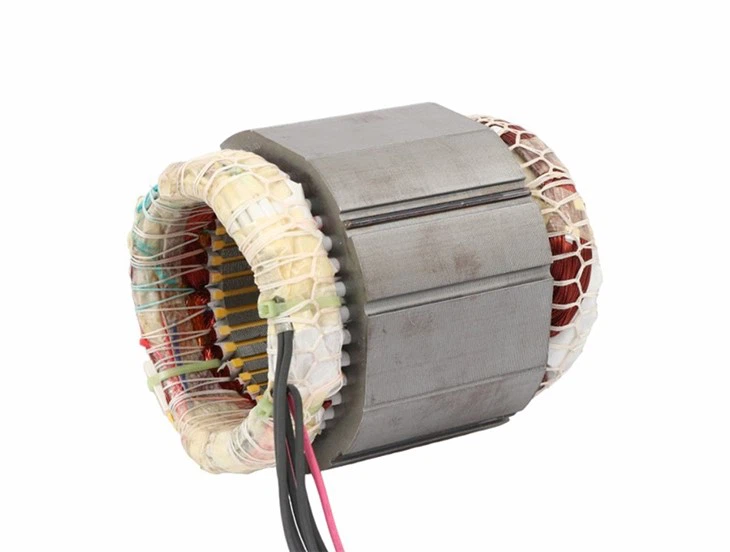

When replacing components, it's essential to choose components that are compatible with the motor's specifications. Using the wrong components can cause further problems and may void the motor's warranty. That's why I provide detailed technical support and guidance to help customers select the right components for their specific applications.
Conclusion
Troubleshooting problems with the basic components of a motor requires a systematic approach and a thorough understanding of the motor's operation. By following the troubleshooting techniques outlined in this blog post and using high-quality components, you can effectively diagnose and resolve common motor problems. If you have any questions or need further assistance with troubleshooting or maintenance, please don't hesitate to contact me. I'm here to help you keep your motors running smoothly and efficiently. Whether you're a maintenance technician, an engineer, or a purchasing manager, I can provide you with the expertise and support you need to make informed decisions about your motor component needs. Let's work together to ensure the reliability and performance of your motors.
References
- "Motor Maintenance and Troubleshooting Guide" - Electrical Equipment Manufacturers Association
- "Handbook of Electric Motors" - McGraw-Hill Education
- "Electrical Machinery Fundamentals" - Stephen J. Chapman