

What are the differences between various types of motor frame components?
Oct 13, 2025
Hey there! As a supplier of motor frame components, I've seen firsthand the wide variety of these parts out there. And let me tell you, the differences between various types of motor frame components are pretty significant. In this blog, I'm gonna break down these differences and give you a better understanding of what makes each type unique.
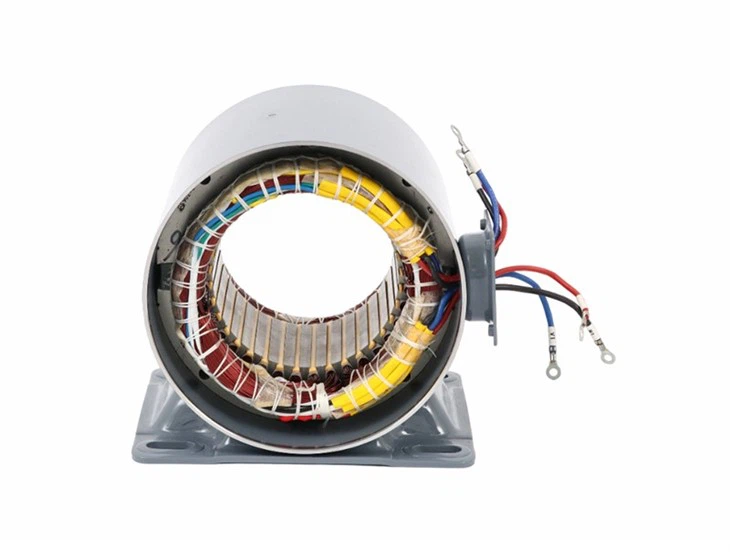

First off, let's talk about the basics. Motor frame components are essential parts that make up an electric motor. They provide the structure and support for the motor, and they also play a crucial role in protecting the internal components from damage. There are several different types of motor frame components, each with its own specific function and characteristics.
One of the most common types of motor frame components is the motor housing. The motor housing is the outer shell of the motor, and it's designed to protect the internal components from dust, dirt, and moisture. It also helps to dissipate heat generated by the motor, which is important for maintaining the motor's efficiency and longevity. Motor housings can be made from a variety of materials, including aluminum, steel, and plastic. Aluminum is a popular choice because it's lightweight, corrosion-resistant, and has good heat dissipation properties. Steel is another common material, as it's strong and durable, but it's also heavier than aluminum. Plastic motor housings are often used in applications where weight is a concern, or where the motor needs to be protected from electrical interference.
Another important motor frame component is the end shield. End shields are located at each end of the motor housing, and they provide additional support and protection for the motor. They also help to seal the motor, preventing dust and moisture from entering the internal components. End shields can be made from the same materials as the motor housing, and they're often designed to be interchangeable, which makes it easier to replace them if they become damaged.
The stator is another key component of an electric motor. The stator is the stationary part of the motor, and it consists of a series of coils of wire that are wound around a core. When an electric current is applied to the stator coils, it creates a magnetic field, which interacts with the magnetic field of the rotor to produce rotational motion. The stator is typically housed inside the motor housing, and it's held in place by the end shields. You can learn more about Motor Stator Components.
The rotor is the rotating part of the motor, and it's located inside the stator. The rotor consists of a shaft and a series of magnets or conductive bars. When the magnetic field of the stator interacts with the magnetic field of the rotor, it causes the rotor to rotate. The rotor is connected to the load that the motor is driving, such as a fan or a pump.
Now, let's talk about some of the differences between different types of motor frame components. One of the main differences is the size and shape of the components. Motor frame components come in a wide range of sizes and shapes, depending on the application and the requirements of the motor. For example, a small motor used in a household appliance may have a much smaller motor housing and end shields than a large industrial motor. The size and shape of the components also affect the weight and the amount of space that the motor takes up.
Another difference between different types of motor frame components is the material that they're made from. As I mentioned earlier, motor housings and end shields can be made from aluminum, steel, or plastic. The choice of material depends on several factors, including the application, the environment in which the motor will be used, and the cost. Aluminum is often the preferred material for applications where weight is a concern, or where the motor needs to be corrosion-resistant. Steel is a good choice for applications where strength and durability are important, but it's also heavier and more expensive than aluminum. Plastic motor housings are often used in applications where weight is a major factor, or where the motor needs to be protected from electrical interference.
The design of the motor frame components also plays a role in their performance. For example, some motor housings are designed with fins or other features to increase the surface area, which helps to dissipate heat more effectively. Other motor housings may be designed with a sealed construction to prevent dust and moisture from entering the internal components. The design of the end shields can also affect the performance of the motor, as they help to seal the motor and prevent leakage of the magnetic field.
In addition to the differences in size, shape, material, and design, there are also differences in the functionality of different types of motor frame components. For example, some motor housings may be designed with mounting holes or flanges to make it easier to install the motor in a specific application. Other motor housings may be designed with a removable cover or access panel to make it easier to service the motor. The end shields may also have different features, such as bearings or seals, depending on the requirements of the motor.
When it comes to choosing the right motor frame components for your application, there are several factors that you need to consider. First, you need to determine the size and power requirements of the motor. This will help you to choose the appropriate size and type of motor housing, end shields, stator, and rotor. You also need to consider the environment in which the motor will be used. If the motor will be exposed to dust, dirt, or moisture, you'll need to choose components that are designed to be resistant to these elements. If the motor will be used in a high-temperature environment, you'll need to choose components that can withstand the heat.
Cost is another important factor to consider when choosing motor frame components. While it's important to choose high-quality components that will last, you also need to make sure that you're getting a good value for your money. You can compare the prices of different components from different suppliers to find the best deal.
As a supplier of motor frame components, I can help you to choose the right components for your application. I have a wide range of components available, and I can provide you with expert advice and guidance to ensure that you get the best possible performance from your motor. If you're interested in learning more about our products or if you have any questions, please don't hesitate to contact me. We're always happy to help with your procurement needs and discuss how our motor frame components can meet your specific requirements. Let's have a chat and see how we can work together to get you the right parts for your motors.
References
- General knowledge of electric motor components and their functions from industry experience.
- Technical specifications and information provided by manufacturers of motor frame components.