

What are the effects of temperature on motor components?
May 21, 2025
Hey there! As a supplier of motor components, I've seen firsthand how temperature can have a real impact on these little mechanical marvels. In this blog, I'm gonna break down the effects of temperature on motor components, so you can understand why it's such a big deal.
Let's start with the basics. Motors are everywhere – in your car, your washing machine, and even your phone's vibration feature. They're made up of various components, each with its own role to play. But when the temperature changes, all these parts can be affected in different ways.
Effects on Motor Frame Components
First up, let's talk about Motor Frame Components. The motor frame is like the backbone of the motor. It provides structural support and helps dissipate heat. But when the temperature rises, things can get a bit tricky.
High temperatures can cause the metal in the motor frame to expand. This expansion might not seem like a big deal at first, but over time, it can lead to misalignment of other components. If the frame expands unevenly, it can put stress on the bearings and the shaft, which can lead to premature wear and tear.
On the other hand, cold temperatures can make the metal contract. This contraction can also cause problems, like making the frame too tight around other components. If the fit is too snug, it can restrict the movement of the motor, reducing its efficiency and potentially causing overheating in the long run.
Impact on Motor Coil Winding Components
Next, we've got Motor Coil Winding Components. These coils are crucial for generating the magnetic field that makes the motor run. But temperature can have a significant impact on their performance.
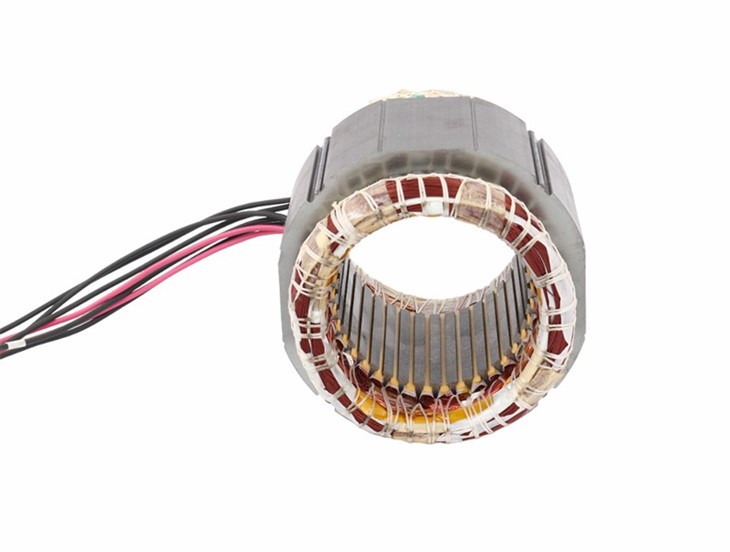
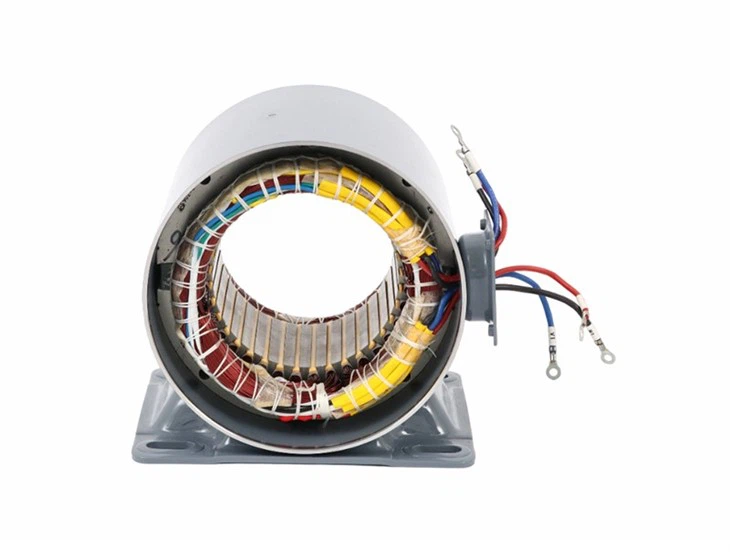
When it gets hot, the resistance of the coil windings increases. This means that more energy is needed to push the same amount of current through the coils. As a result, the motor has to work harder, which can lead to increased power consumption and overheating. Over time, the increased heat can also damage the insulation on the coils, leading to short circuits and motor failure.
Cold temperatures can also be a problem for coil windings. The insulation can become brittle and crack, exposing the wires and increasing the risk of electrical shorts. Additionally, the reduced temperature can cause the viscosity of the insulating materials to increase, which can affect the coil's ability to transfer heat effectively.
Influence on Three - Phase Motor Components
Now, let's take a look at Three - Phase Motor Components. Three - phase motors are widely used in industrial applications because of their high efficiency and power output. But temperature can really throw a wrench in their operation.
High temperatures can cause the magnetic properties of the motor's core to change. This can lead to a decrease in the motor's efficiency and an increase in energy losses. The heat can also affect the performance of the motor's capacitors and other electronic components, which are essential for maintaining the correct phase balance.
In cold weather, the lubricants used in the motor's bearings can thicken. This can increase the friction between the moving parts, reducing the motor's efficiency and increasing the wear on the bearings. Cold temperatures can also cause condensation to form inside the motor, which can lead to corrosion and damage to the electrical components.
How to Mitigate Temperature Effects
So, what can we do to minimize the effects of temperature on motor components? Well, there are a few things.
First, proper ventilation is key. Motors should be installed in well - ventilated areas to allow heat to dissipate. This can help prevent overheating and extend the life of the components.
Second, using high - quality insulation materials can help protect the coil windings from temperature extremes. These materials can withstand higher temperatures without breaking down and can also provide better protection in cold conditions.
Third, regular maintenance is essential. This includes checking the motor's temperature regularly, inspecting the components for signs of wear and tear, and replacing any damaged parts promptly.
Conclusion
In conclusion, temperature has a profound impact on motor components. Whether it's the expansion and contraction of the motor frame, the changes in resistance of the coil windings, or the effects on the magnetic properties of three - phase motors, temperature can significantly affect the performance and lifespan of these components.
As a motor components supplier, I understand the importance of providing high - quality parts that can withstand temperature variations. If you're in the market for motor components, I'd love to chat with you. Whether you're looking for Motor Frame Components, Motor Coil Winding Components, or Three - Phase Motor Components, I can help you find the right products for your needs. So, don't hesitate to reach out and start a conversation about your procurement requirements.
References
- "Electric Motors and Drives: Fundamentals, Types, and Applications" by Austin Hughes and Bill Drury.
- "Motor and Drive Troubleshooting: A Practical Guide" by Christopher J. Madsen.