

What are the electrical insulation properties of motor frame components?
Aug 28, 2026
Hey there, folks! As a supplier of motor frame components, I often get asked about the electrical insulation properties of these components. So, I thought it'd be a good idea to write this blog to share some insights on this topic.
First off, let's understand why electrical insulation in motor frame components is so crucial. Motors are everywhere - from small appliances in our homes to large industrial machinery. In all these applications, the motor frame components play a vital role in ensuring the safe and efficient operation of the motor. Electrical insulation helps prevent electrical current from leaking out of the motor windings, which can not only damage the motor but also pose a serious safety hazard.
Now, let's talk about the different types of motor frame components and their insulation properties.
Motor Frame
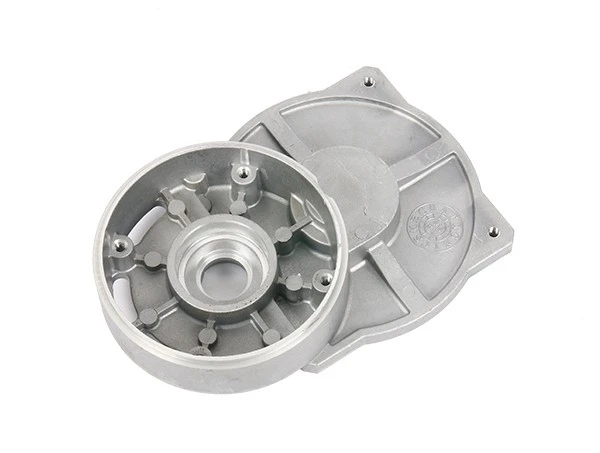
The motor frame is like the backbone of the motor. It provides mechanical support and protection to the internal components. When it comes to electrical insulation, the frame itself is usually made of a conductive material like steel or aluminum. However, it needs to be insulated from the electrical windings inside. This is typically achieved through the use of insulating coatings or materials between the frame and the windings.
For example, some motor frames are coated with a special epoxy resin that acts as an electrical insulator. This coating not only helps prevent electrical leakage but also provides protection against corrosion and mechanical damage. The thickness and quality of the coating are important factors that affect its insulation performance. A thicker and higher - quality coating will generally offer better insulation.
Motor End Cover
The Motor End Cover is another important part of the motor. It seals the ends of the motor and helps protect the internal components from dust, moisture, and other contaminants. In terms of electrical insulation, the end cover also needs to be properly insulated from the electrical parts inside the motor.
Similar to the motor frame, the end cover can be made of conductive materials. To insulate it, gaskets or insulating pads are often used between the end cover and the motor frame. These insulating materials prevent electrical current from flowing through the end cover, reducing the risk of electrical shock and short - circuits.
Motor Coil Winding Components
The Motor Coil Winding Components are where the electrical energy is converted into mechanical energy. These components, including the coils themselves and the insulation around them, are critical for the motor's performance.
The coils are typically made of copper wire, which is a good conductor of electricity. To prevent the current from flowing between adjacent turns of the coil or to the motor frame, a high - quality insulation material is used. Common insulation materials for coil windings include polyester film, enamel, and fiberglass.
Polyester film is often used as a layer of insulation between the turns of the coil. It has good electrical insulation properties, as well as mechanical strength and temperature resistance. Enamel is another widely used insulation material. It is applied directly to the copper wire during the manufacturing process, forming a thin but durable insulating layer. Fiberglass can be used as an additional layer of insulation, especially in high - voltage or high - temperature applications.

Factors Affecting Electrical Insulation Properties
There are several factors that can affect the electrical insulation properties of motor frame components.
Temperature is a major factor. As the temperature of the motor increases, the insulation properties of the materials can degrade. High temperatures can cause the insulation to dry out, crack, or lose its dielectric strength. This is why motors are often designed with cooling systems to keep the temperature within a safe range.
Moisture is also a big enemy of electrical insulation. Water can penetrate the insulation materials, reducing their insulation resistance and increasing the risk of electrical leakage. This is why motors that operate in wet or humid environments need to have special moisture - resistant insulation materials or protective enclosures.
Mechanical stress can also affect the insulation. Vibration, shock, and mechanical deformation can cause the insulation to crack or break, leading to a loss of insulation performance. Therefore, motor frame components need to be designed to withstand mechanical stress and protect the insulation.
Testing and Quality Assurance
As a Motor Frame Components supplier, we take the electrical insulation properties of our products very seriously. We have a strict testing and quality assurance process in place to ensure that our components meet the highest standards.
We use various testing methods to evaluate the insulation performance of our products. One common test is the dielectric strength test, which measures the maximum voltage that the insulation can withstand without breaking down. We also conduct insulation resistance tests to measure the resistance of the insulation to the flow of electrical current.
In addition to these tests, we also perform visual inspections and mechanical testing to check for any signs of damage or defects in the insulation. Only products that pass all our tests are released to the market.
Why Choose Our Motor Frame Components
If you're in the market for motor frame components, there are several reasons why you should choose our products.
Firstly, our components are made from high - quality materials and are manufactured using advanced processes. This ensures that they have excellent electrical insulation properties and can withstand the rigors of various applications.
Secondly, we have a team of experienced engineers and technicians who are dedicated to product development and quality control. We are constantly researching and improving our products to meet the changing needs of our customers.
Finally, we offer excellent customer service. Our sales and support teams are always ready to answer your questions and provide you with the information you need. Whether you need help with product selection, installation, or maintenance, we're here for you.
If you're interested in our motor frame components or have any questions about their electrical insulation properties, don't hesitate to get in touch with us for a procurement discussion. We're looking forward to working with you to find the best solutions for your motor applications.
References
- Electrical Insulation Handbook, McGraw - Hill
- Motor Design and Application Guide, IEEE Press