

What are the maintenance requirements for a shaft?
Jun 24, 2025
Shafts are crucial components in various mechanical systems, serving as the backbone for power transmission and rotational motion. As a shaft supplier, I understand the importance of proper shaft maintenance to ensure optimal performance and longevity. In this blog, I will delve into the key maintenance requirements for shafts, providing valuable insights to help you keep your equipment running smoothly.
1. Regular Inspection
Regular inspection is the cornerstone of shaft maintenance. It allows you to detect potential issues early on and take preventive measures before they escalate into major problems. Here are some aspects to focus on during inspections:
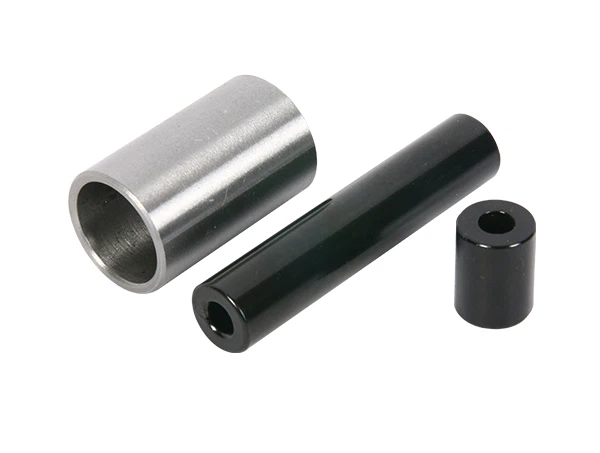

Visual Inspection
A visual inspection is the first step in assessing the condition of a shaft. Look for signs of wear, corrosion, cracks, or any other visible damage. Pay close attention to areas where the shaft comes into contact with other components, such as bearings and couplings. Any irregularities or abnormalities should be noted and investigated further.
Dimensional Checks
Measuring the shaft's dimensions is essential to ensure that it meets the required specifications. Use precision measuring tools, such as calipers and micrometers, to check the diameter, length, and straightness of the shaft. Any significant deviations from the specified dimensions may indicate wear or damage, which could affect the shaft's performance.
Alignment Checks
Proper alignment is crucial for the smooth operation of a shaft. Misalignment can cause excessive stress on the shaft, bearings, and other components, leading to premature wear and failure. Use alignment tools, such as laser alignment systems, to check the alignment of the shaft with other components. If misalignment is detected, it should be corrected immediately to prevent further damage.
2. Lubrication
Lubrication plays a vital role in reducing friction and wear between the shaft and other components. It also helps to dissipate heat and prevent corrosion. Here are some key points to consider when it comes to shaft lubrication:
Select the Right Lubricant
Choosing the appropriate lubricant is essential for effective shaft lubrication. Consider factors such as the operating conditions, load, speed, and temperature of the shaft when selecting a lubricant. Consult the manufacturer's recommendations or a lubrication expert to ensure that you choose the right lubricant for your specific application.
Maintain Proper Lubricant Levels
Regularly check the lubricant levels in the shaft's bearings and other lubricated components. Low lubricant levels can lead to increased friction and wear, while over-lubrication can cause excessive heat and contamination. Follow the manufacturer's guidelines for lubricant levels and top up the lubricant as needed.
Change the Lubricant Regularly
Over time, lubricants can break down and become contaminated with dirt, debris, and other impurities. This can reduce their effectiveness and cause damage to the shaft and other components. Therefore, it is important to change the lubricant at regular intervals. The frequency of lubricant changes depends on factors such as the operating conditions, load, and speed of the shaft. Consult the manufacturer's recommendations or a lubrication expert for guidance on lubricant change intervals.
3. Cleaning
Keeping the shaft clean is essential for its proper functioning. Dirt, debris, and other contaminants can accumulate on the shaft's surface, causing increased friction and wear. Here are some tips for cleaning a shaft:
Use the Right Cleaning Agents
When cleaning a shaft, it is important to use the right cleaning agents. Avoid using harsh chemicals or abrasive cleaners that can damage the shaft's surface. Instead, use mild detergents or solvents that are specifically designed for cleaning metal surfaces.
Clean the Shaft Regularly
Regular cleaning helps to prevent the buildup of dirt, debris, and other contaminants on the shaft's surface. Depending on the operating conditions, the shaft may need to be cleaned daily, weekly, or monthly. Use a soft brush or cloth to remove any loose dirt or debris from the shaft's surface, and then wipe it down with a clean, dry cloth.
Protect the Shaft During Cleaning
When cleaning the shaft, it is important to protect it from damage. Avoid using sharp objects or abrasive tools that can scratch or damage the shaft's surface. Also, be careful not to get water or other cleaning agents into the shaft's bearings or other lubricated components, as this can cause damage.
4. Balancing
Balancing is an important aspect of shaft maintenance, especially for high-speed shafts. An unbalanced shaft can cause excessive vibration, which can lead to premature wear and failure of the shaft, bearings, and other components. Here are some key points to consider when it comes to shaft balancing:
Determine the Balance Requirements
The balance requirements for a shaft depend on factors such as the operating speed, load, and application. Consult the manufacturer's recommendations or a balancing expert to determine the appropriate balance requirements for your specific shaft.
Use the Right Balancing Equipment
To balance a shaft, you will need to use the right balancing equipment. There are several types of balancing machines available, including static balancing machines and dynamic balancing machines. The type of balancing machine you choose will depend on the balance requirements of your shaft.
Balance the Shaft Regularly
Over time, the balance of a shaft can change due to factors such as wear, corrosion, and damage. Therefore, it is important to balance the shaft at regular intervals. The frequency of shaft balancing depends on factors such as the operating conditions, load, and speed of the shaft. Consult the manufacturer's recommendations or a balancing expert for guidance on shaft balancing intervals.
5. Storage
Proper storage of a shaft is essential to prevent damage and ensure its longevity. Here are some tips for storing a shaft:
Clean and Lubricate the Shaft
Before storing a shaft, it is important to clean and lubricate it to prevent corrosion and rust. Use a mild detergent or solvent to clean the shaft's surface, and then apply a thin layer of lubricant to protect it from moisture and other contaminants.
Store the Shaft in a Dry Place
Moisture is one of the main causes of corrosion and rust on a shaft. Therefore, it is important to store the shaft in a dry place. If possible, store the shaft in a climate-controlled environment to prevent moisture from accumulating on its surface.
Protect the Shaft from Damage
When storing a shaft, it is important to protect it from damage. Avoid stacking heavy objects on top of the shaft, as this can cause it to bend or warp. Also, be careful not to drop or damage the shaft during storage or handling.
Conclusion
Proper maintenance of a shaft is essential for its optimal performance and longevity. By following the maintenance requirements outlined in this blog, you can ensure that your shaft operates smoothly and efficiently, reducing the risk of premature wear and failure. As a shaft supplier, I am committed to providing high-quality shafts and excellent customer service. If you have any questions or need further assistance with shaft maintenance, please do not hesitate to contact me. I would be happy to help you with your procurement needs and provide you with the information and support you need to keep your equipment running smoothly.
References
- Machinery's Handbook, 31st Edition
- Handbook of Lubrication and Tribology, Volume 1: Applications and Practice
- Shaft Design and Calculation, Second Edition
For more information on our products, please visit our website:
If you are interested in purchasing our shafts or have any questions about our products, please contact us for procurement洽谈. We look forward to hearing from you and working with you to meet your shaft needs.