

What are the signs of a worn - out spline shaft?
Oct 30, 2025
As a seasoned spline shaft supplier, I've witnessed firsthand the critical role these components play in a wide range of industrial applications. A spline shaft is a mechanical device that uses ridges or teeth, known as splines, to transmit torque between a shaft and a mating component, such as a gear or a coupling. Over time, however, these shafts can experience wear and tear, leading to a decline in performance and potential system failures. In this blog post, I'll discuss the signs of a worn-out spline shaft, helping you identify issues early and prevent costly downtime.
1. Unusual Noise and Vibration
One of the most obvious signs of a worn-out spline shaft is the presence of unusual noise and vibration during operation. As the splines wear down, the fit between the shaft and the mating component becomes less precise, leading to increased play and movement. This can result in rattling, knocking, or grinding noises, which are often accompanied by excessive vibration. These symptoms are particularly noticeable when the system is under load or when the speed of the shaft changes.
For example, in a Electric Motor Shaft application, a worn spline shaft can cause the motor to vibrate excessively, leading to premature bearing failure and reduced motor efficiency. Similarly, in a gearbox, a worn spline shaft can cause the gears to mesh improperly, resulting in noisy operation and increased wear on the gear teeth.
2. Reduced Torque Transmission
Another sign of a worn-out spline shaft is a reduction in torque transmission. As the splines wear, the contact area between the shaft and the mating component decreases, which can lead to a loss of grip and a reduction in the amount of torque that can be transmitted. This can result in decreased performance, slower operation, and even system failures.
In a power transmission system, such as a conveyor belt or a machine tool, a worn spline shaft can cause the system to lose power, resulting in reduced productivity and increased energy consumption. In a vehicle, a worn spline shaft in the driveshaft can cause a loss of power to the wheels, leading to poor acceleration and reduced fuel efficiency.
3. Excessive Wear on Mating Components
A worn-out spline shaft can also cause excessive wear on the mating components. As the splines wear, the uneven contact between the shaft and the mating component can cause the mating component to wear prematurely. This can lead to a variety of problems, including increased friction, reduced efficiency, and potential system failures.
For example, in a Cylindrical Shaft Sleeves application, a worn spline shaft can cause the sleeve to wear unevenly, leading to increased friction and reduced sleeve life. In a motor, a worn spline shaft can cause the motor's output shaft to wear prematurely, leading to increased vibration and reduced motor performance.
4. Visual Inspection
Visual inspection is another important method for detecting a worn-out spline shaft. By examining the splines for signs of wear, such as pitting, scoring, or deformation, you can often identify a problem before it becomes severe.
When inspecting a spline shaft, look for signs of uneven wear, such as wear on one side of the spline or on the edges of the spline. You should also look for signs of damage, such as cracks or chips in the splines. If you notice any of these signs, it's important to replace the spline shaft as soon as possible to prevent further damage to the system.
5. Difficulty in Assembly or Disassembly
If you're having difficulty assembling or disassembling a spline shaft, it could be a sign that the shaft is worn. A worn spline shaft can cause the mating component to bind or become difficult to remove, which can make assembly and disassembly more challenging.
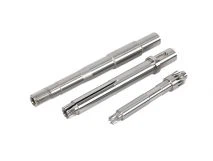

In some cases, a worn spline shaft may require excessive force to assemble or disassemble, which can cause further damage to the shaft or the mating component. If you're experiencing difficulty in assembling or disassembling a spline shaft, it's important to inspect the shaft for signs of wear and replace it if necessary.
6. Increased Clearance
Over time, a worn spline shaft can develop increased clearance between the shaft and the mating component. This increased clearance can cause the shaft to move or wobble within the mating component, leading to increased vibration and noise.
In a Motor Output Shaft application, increased clearance between the spline shaft and the motor's output coupling can cause the motor to vibrate excessively, leading to premature bearing failure and reduced motor efficiency. Similarly, in a gearbox, increased clearance between the spline shaft and the gears can cause the gears to mesh improperly, resulting in noisy operation and increased wear on the gear teeth.
Importance of Early Detection and Replacement
Detecting and replacing a worn-out spline shaft early is crucial to prevent further damage to the system and to ensure the continued reliability and performance of your equipment. By regularly inspecting your spline shafts for signs of wear and addressing any issues promptly, you can avoid costly downtime, reduce maintenance costs, and extend the lifespan of your equipment.
As a spline shaft supplier, I understand the importance of providing high-quality products and reliable service. That's why we offer a wide range of spline shafts, including Electric Motor Shaft, Cylindrical Shaft Sleeves, and Motor Output Shaft, to meet the needs of various industries. Our spline shafts are manufactured using the latest technology and high-quality materials to ensure durability and performance.
If you're experiencing any of the signs of a worn-out spline shaft or if you're in need of a new spline shaft, I encourage you to contact us for more information. Our team of experts is available to assist you with your spline shaft needs and to provide you with the best solutions for your application. We look forward to working with you to ensure the continued success of your business.
References
- Machinery's Handbook, 31st Edition
- Shigley's Mechanical Engineering Design, 11th Edition
- ASME Standard B92.1 - Involute Splines and Serrations