

What is the cost of customizing a brushed DC motor?
May 14, 2025
Hey there! As a supplier of brushed DC motors, I often get asked about the cost of customizing these motors. It's a topic that's super important for anyone looking to get a motor that fits their specific needs. So, let's dive right in and break down what goes into the cost of customizing a brushed DC motor.
Factors Affecting the Cost
Design Complexity
One of the biggest factors that determine the cost is how complex the design of the motor needs to be. If you're just looking for a basic modification, like changing the shaft length or the mounting holes, it won't cost as much. But if you need a completely new design, with custom windings, unique magnetic configurations, or special housing, that's going to bump up the price.
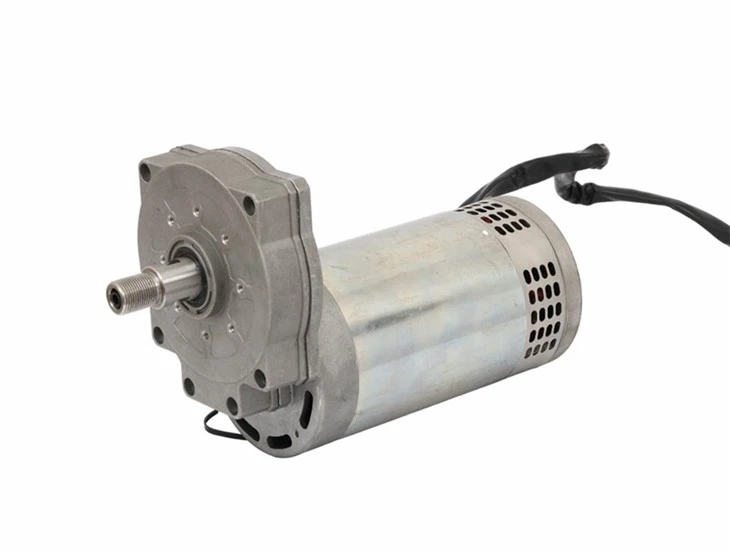
For example, if you're in the market for a High Power Brushed Dc Motor, chances are it'll require a more sophisticated design. High power motors need to handle more current and heat, so the materials and construction have to be top-notch. This means more time and resources go into designing and building them, which translates to a higher cost.

Materials Used
The materials used in the motor also play a huge role in the cost. Brushed DC motors are made up of various components, including the stator, rotor, brushes, and housing. Different materials have different properties and costs.
For instance, using high-quality magnets can significantly improve the motor's performance, but they're also more expensive. Similarly, if you need a motor that can operate in harsh environments, you might have to use materials that are more resistant to corrosion and wear. This could mean using stainless steel for the housing or special coatings on the internal components, all of which add to the cost.
Let's say you're interested in a 24V Brushed Dc Motor. The voltage requirement might dictate the type of materials used in the windings and other electrical components. Higher voltage motors often need better insulation and more robust wiring, which can increase the overall cost.
Quantity
The quantity of motors you're ordering is another key factor. Generally, the more motors you order, the lower the cost per unit. This is because there are certain fixed costs associated with setting up the production process, such as tooling and programming the manufacturing equipment. When you order a large quantity, these fixed costs are spread out over more units, resulting in a lower cost per motor.
However, if you only need a small number of customized motors, the cost per unit will be higher. This is because the fixed costs still need to be covered, and there aren't as many units to share them with.
Testing and Certification
Once the motor is designed and built, it needs to be tested to ensure it meets the required specifications. This testing process can be quite involved, especially for customized motors. It might include performance testing, safety testing, and environmental testing.
In addition, depending on the application, the motor might need to be certified to meet certain standards. For example, if the motor is going to be used in a medical device, it might need to comply with strict medical industry standards. The cost of testing and certification can add up, especially if the motor needs to meet multiple standards.
Cost Breakdown
Let's take a look at a rough cost breakdown for customizing a brushed DC motor. Keep in mind that these are just estimates, and the actual cost can vary depending on the factors we discussed above.
- Design and Engineering: This can range from a few hundred dollars for a simple modification to several thousand dollars for a completely new design. The design process involves creating detailed drawings, running simulations, and prototyping.
- Materials: The cost of materials can vary widely depending on the type and quality of the materials used. For a basic brushed DC motor, the materials might cost around $10 - $50 per unit. However, for a high-performance or specialized motor, the material cost could be $100 or more per unit.
- Manufacturing: The manufacturing cost includes labor, equipment, and overhead. For a small batch of customized motors, the manufacturing cost per unit could be around $20 - $100. For larger quantities, the cost per unit can be significantly lower, maybe around $5 - $20 per unit.
- Testing and Certification: The cost of testing and certification can range from a few hundred dollars to several thousand dollars, depending on the complexity of the testing and the number of standards the motor needs to meet.
Value of Customization
While customizing a brushed DC motor can be more expensive than buying a standard off-the-shelf motor, it offers several benefits that make it worth the cost.

- Optimized Performance: A customized motor can be designed to meet your specific performance requirements. This means it will operate more efficiently and effectively, which can save you money in the long run. For example, if you need a motor for a specific application that requires a certain torque and speed, a customized motor can be tailored to provide exactly that.
- Better Fit: A custom motor can be designed to fit perfectly into your existing system. This eliminates the need for costly modifications or adaptations, and it ensures a seamless integration.
- Competitive Advantage: By using a customized motor, you can differentiate your product from your competitors. This can give you a competitive edge in the market and help you attract more customers.
When to Consider Customization
So, when should you consider customizing a brushed DC motor? Here are a few situations where customization might be the right choice:
- Unique Application: If your application has specific requirements that can't be met by a standard motor, then customization is the way to go. For example, if you're building a custom robotic arm that requires a motor with a very high torque-to-weight ratio, a customized motor can be designed to meet that need.
- Volume Production: If you're planning to produce a large number of products that require a motor, customizing the motor can be cost-effective in the long run. You can work with a supplier to optimize the design and manufacturing process to reduce costs.
- Quality and Reliability: If you need a motor that is highly reliable and has a long service life, a customized motor can be built to meet those standards. You can choose the materials and manufacturing processes that ensure the highest quality.
Conclusion
Customizing a brushed DC motor can be a great option if you have specific requirements that can't be met by a standard motor. While it does come with a higher cost, the benefits of optimized performance, better fit, and competitive advantage often outweigh the cost.
If you're interested in customizing a brushed DC motor, I'd love to talk to you. We have a team of experts who can work with you to understand your needs and design a motor that meets your specifications. Whether you're looking for a High Power Brushed Dc Motor, a 24V Brushed Dc Motor, or a Brushed Dc Motor with Gearbox, we can help. So, don't hesitate to reach out and start the conversation.
References
- "Electric Motors and Drives: Fundamentals, Types, and Applications" by Austin Hughes and Bill Drury
- "Design of Brushless Permanent-Magnet Motors" by Gregory J. McPherson