

What is the flexural strength of precision shaft sleeves?
Jul 30, 2025
Hey there! As a supplier of precision shaft sleeves, I often get asked about the flexural strength of these nifty little components. So, I thought I'd take a deep dive into this topic and share everything you need to know.
First off, let's talk about what precision shaft sleeves are. They're essential parts used in a wide range of machinery and equipment. You can find them in motors, pumps, and all sorts of industrial applications. They play a crucial role in supporting shafts, reducing friction, and ensuring smooth operation. If you're interested in checking out our Precision Shaft Sleeve, just click the link.

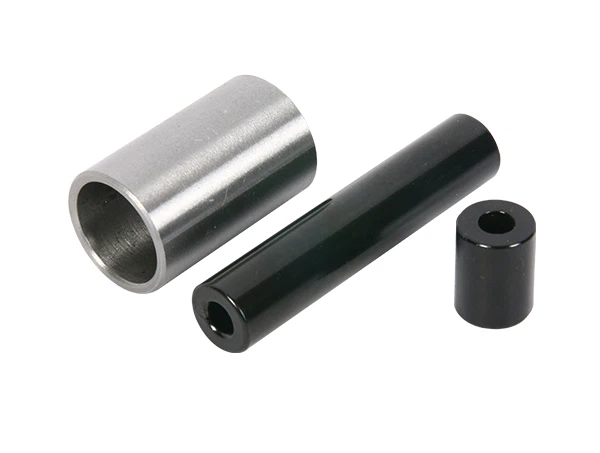
Now, onto flexural strength. Flexural strength, also known as bending strength, is a measure of a material's ability to resist deformation under a bending load. In the context of precision shaft sleeves, it's super important because these sleeves often have to withstand bending forces during operation.
Imagine a shaft sleeve in a machine. As the shaft rotates, there might be some misalignment or uneven forces acting on the sleeve. This can cause the sleeve to bend. If the sleeve doesn't have enough flexural strength, it could crack or break, leading to equipment failure. And that's definitely not something you want!
So, how do we determine the flexural strength of a precision shaft sleeve? Well, it depends on a few factors. The material of the sleeve is a big one. Different materials have different inherent strengths. For example, steel is known for its high strength and durability. A steel precision shaft sleeve will generally have a higher flexural strength compared to a sleeve made of a softer material like brass.
Another factor is the design of the sleeve. The thickness, shape, and any internal features can all affect how well the sleeve can resist bending. A thicker sleeve will usually be stronger than a thinner one. And some sleeve designs might have ribbing or other reinforcements to increase their flexural strength.
Manufacturing processes also play a role. If the sleeve is machined or formed in a way that creates internal stresses, it could reduce the flexural strength. On the other hand, proper heat treatment or surface finishing can improve the strength and durability of the sleeve.
Let's take a look at some real - world examples. In a conveyor system, the precision shaft sleeves used to support the drive shafts need to have good flexural strength. The conveyor belts can put a lot of tension on the shafts, which in turn creates bending forces on the sleeves. If the sleeves can't handle these forces, the conveyor might stop working, causing production delays.
In the automotive industry, precision shaft sleeves are used in engines and transmissions. These sleeves have to withstand high - speed rotations and varying loads. A sleeve with low flexural strength could fail, leading to engine damage or a breakdown on the road.
Now, you might be wondering how our company ensures the high flexural strength of our precision shaft sleeves. We use high - quality materials sourced from reliable suppliers. Our engineers carefully design the sleeves to optimize their strength and performance. And we have strict quality control measures in place during the manufacturing process. We test each sleeve to make sure it meets our high standards for flexural strength and other properties.
When it comes to choosing the right precision shaft sleeve for your application, it's important to consider the flexural strength requirements. You need to know the maximum bending forces that the sleeve will experience in your equipment. If you're not sure, our team of experts can help you figure it out. We can also recommend the best material and design for your specific needs.
It's also worth mentioning that precision shaft sleeves often work in conjunction with other components. For example, they might be used with Drive Belt Pulleys or Step Shafts. These components all interact with each other, and the flexural strength of the shaft sleeve can affect the overall performance of the system.
If you're in the market for precision shaft sleeves, don't just focus on price. The flexural strength and other quality factors are crucial for the long - term reliability and performance of your equipment. A high - quality sleeve might cost a bit more upfront, but it can save you a lot of money in the long run by preventing costly breakdowns and repairs.
We understand that every customer's needs are different. That's why we offer a wide range of precision shaft sleeves with different materials, sizes, and designs. Whether you need a sleeve for a small - scale project or a large industrial application, we've got you covered.
If you're interested in learning more about our precision shaft sleeves or have any questions about flexural strength or other properties, we'd love to hear from you. Just reach out to us, and we'll be happy to have a chat about your requirements. We can work together to find the perfect solution for your equipment.
In conclusion, the flexural strength of precision shaft sleeves is a critical factor that can't be overlooked. It affects the performance, reliability, and lifespan of your machinery. By choosing high - quality sleeves with the right flexural strength, you can ensure smooth operation and avoid costly downtime. So, don't hesitate to get in touch with us if you're in the market for precision shaft sleeves. We're here to help you make the best choice for your business.
References
- Material Science textbooks
- Industry reports on precision shaft components
- Engineering handbooks on mechanical design