

What is the installation torque for motor end cover screws?
Jul 01, 2025
What is the installation torque for motor end cover screws?
As a supplier of motor end covers, I often receive inquiries about the installation torque for motor end cover screws. This is a crucial topic because the correct installation torque ensures the proper functioning, safety, and longevity of the motor. In this blog post, I will delve into the details of what installation torque is, why it matters, how to determine the appropriate torque for motor end cover screws, and some best practices for installation.
Understanding Installation Torque
Installation torque refers to the amount of rotational force applied to a screw or bolt during installation. It is typically measured in units such as Newton - meters (N·m) or foot - pounds (ft - lb). When installing motor end cover screws, applying the right amount of torque is essential. If the torque is too low, the end cover may not be securely fastened, leading to issues such as vibration, leakage of lubricants, and ingress of dust and moisture. On the other hand, if the torque is too high, it can cause damage to the screw, the end cover, or the motor housing. This might result in stripped threads, cracked end covers, or even internal damage to the motor components.
Why Installation Torque Matters
Safety: A properly torqued end cover ensures that the motor operates safely. Loose end covers can pose a risk of parts coming loose during operation, which could cause injury to operators or damage to other equipment in the vicinity.
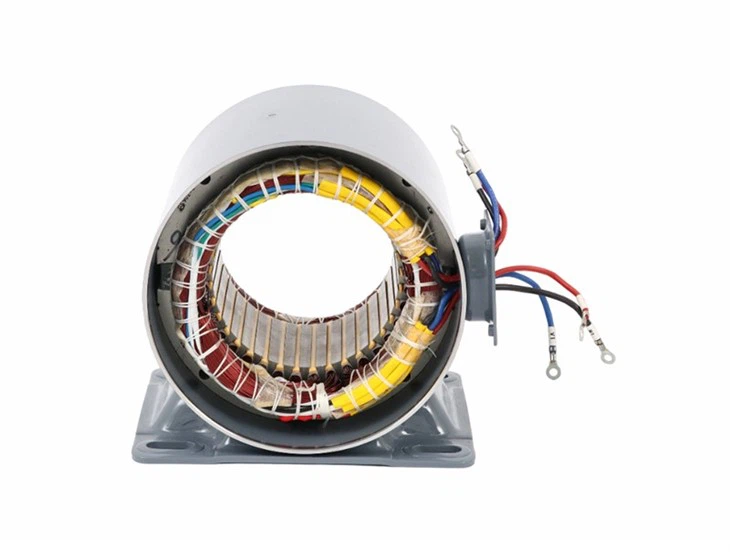

Performance: The correct torque helps maintain the integrity of the motor's internal environment. It prevents the entry of contaminants that could affect the performance of the motor's bearings, windings, and other critical components. A well - sealed end cover also helps in maintaining the proper lubrication levels, which is vital for smooth operation.
Longevity: By preventing excessive vibration and protecting the motor from external elements, the right installation torque extends the lifespan of the motor. It reduces the wear and tear on components, minimizing the need for frequent repairs and replacements.
Determining the Appropriate Installation Torque
The installation torque for motor end cover screws depends on several factors:
Screw Size and Material: Different screw sizes and materials have different strength characteristics. Larger screws generally require higher torque values. For example, a M8 screw may require a different torque than a M6 screw. Similarly, screws made of high - strength steel may need more torque compared to those made of a softer material.
End Cover Material: The material of the motor end cover also plays a role. If the end cover is made of a soft material like aluminum, too much torque can cause the material to deform. In contrast, a steel end cover can withstand higher torque values.
Motor Design and Application: The design of the motor and its intended application are important considerations. High - speed motors or motors operating in harsh environments may require a more secure end cover, which could mean a higher installation torque. Motors used in precision applications may have more specific torque requirements to ensure accurate operation.
To determine the exact installation torque, it is best to refer to the motor manufacturer's specifications. Most motor manufacturers provide detailed torque values for their specific models in the product documentation. If the manufacturer's information is not available, general industry standards can be used as a guide.
Some common methods for determining torque values include using torque tables. These tables provide recommended torque values based on screw size, material, and other factors. However, it is important to note that these are general guidelines and may need to be adjusted based on the specific motor and end cover design.
Another approach is to use a torque - controlled installation process. This involves using a torque wrench to apply the exact amount of torque specified. Torque wrenches come in different types, such as click - type and digital torque wrenches. Click - type wrenches emit a clicking sound when the preset torque value is reached, while digital torque wrenches provide a digital readout of the applied torque.
Best Practices for Installing Motor End Cover Screws
Cleaning: Before installing the end cover, it is important to clean the mating surfaces of the motor housing and the end cover. Remove any dirt, debris, or old gasket material. This ensures a proper seal and accurate torque application.
Gasket Installation: If a gasket is used between the end cover and the motor housing, it should be installed correctly. Make sure the gasket is not damaged or misaligned. A properly installed gasket helps in sealing the motor and can also affect the torque requirements.
Screw Installation Sequence: When installing multiple screws, it is important to follow a specific installation sequence. This helps in evenly distributing the torque and ensuring a uniform seal. A common approach is to start with the center screws and then work your way outwards in a criss - cross pattern.
Torque Checking: After installing the end cover screws, it is a good practice to re - check the torque values. This can help identify any screws that may have loosened during the installation process.
Our Offerings as a Motor End Cover Supplier
As a [supplier of motor end covers], we understand the importance of providing high - quality end covers that are designed to meet the specific requirements of different motors. Our Motor End Cover products are made from high - quality materials, ensuring durability and reliability.
We also offer a wide range of Three - Phase Motor Components and Motor Basic Components to meet the diverse needs of our customers. Our team of experts can assist you in selecting the right end covers and providing guidance on the appropriate installation torque for your specific application.
If you are in the market for motor end covers or have questions about installation torque, we encourage you to contact us for a detailed discussion. Our sales team is ready to assist you in finding the best solutions for your motor needs. We can provide you with product samples, technical specifications, and pricing information to help you make an informed decision.
References
- "Motor Handbook" - A comprehensive guide to motor design and operation.
- Industry standards documents related to motor manufacturing and installation.
By providing high - quality products and expert advice on installation torque, we aim to be your trusted partner in the motor component industry. Contact us today to start the conversation about your motor end cover requirements.