

What is the maintenance of a serpentine belt pulley?
Jul 11, 2025
Hey there! As a drive belt pulley supplier, I'm super stoked to chat about the maintenance of a serpentine belt pulley. You might be wondering, "What the heck is a serpentine belt pulley, and why should I care about its maintenance?" Well, stick around, and I'll break it all down for you.
First things first, let's talk about what a serpentine belt pulley actually is. A serpentine belt is that long, winding belt in your vehicle's engine that drives multiple components like the alternator, power steering pump, water pump, and air conditioning compressor. The serpentine belt pulley is the wheel that the belt wraps around. It's a crucial part of your engine's operation because without it, those important components wouldn't get the power they need to function.
Now, why is maintenance so important? Well, think of your serpentine belt pulley like the heart of your engine's accessory drive system. If it's not working properly, it can cause a whole bunch of problems. A worn-out or damaged pulley can lead to belt slippage, which means your alternator might not charge your battery, your power steering might become difficult to turn, or your engine could overheat because the water pump isn't working right. In some cases, a failing pulley can even cause the belt to break, leaving you stranded on the side of the road. Yikes!
So, how do you know if your serpentine belt pulley needs maintenance? Here are some signs to look out for:
1. Noise
One of the most common signs of a problem is a squealing or chirping noise coming from the engine. This could be caused by a loose or worn belt, but it could also be a sign that the pulley is misaligned or has a damaged bearing. If you hear this kind of noise, it's a good idea to have your vehicle checked out as soon as possible.

2. Vibration
If you feel a vibration in your steering wheel or the dashboard, it could be a sign that the pulley is out of balance. This can happen if the pulley has been damaged or if the belt is not tensioned correctly. A vibrating pulley can cause premature wear on the belt and other components, so it's important to address the issue right away.
3. Visible Damage
Take a look at the pulley itself. If you see any cracks, chips, or signs of excessive wear, it's a clear indication that the pulley needs to be replaced. You should also check the pulley's surface for any signs of glazing or scoring, which can cause the belt to slip.
4. Belt Wear
Inspect the serpentine belt regularly for signs of wear. If you see cracks, fraying, or missing chunks of rubber, it's time to replace the belt. A worn-out belt can put extra stress on the pulley, leading to premature failure.
Now that you know what to look for, let's talk about how to maintain your serpentine belt pulley. Here are some tips to keep it in good working condition:
1. Regular Inspections
Make it a habit to inspect your serpentine belt and pulley at least once a month. Look for the signs of wear and damage that we talked about earlier. If you notice any problems, have them addressed right away to prevent further damage.
2. Keep it Clean
Dirt, debris, and oil can build up on the pulley over time, causing it to wear out faster. Use a clean, dry cloth to wipe down the pulley regularly. If there's a lot of grime, you can use a mild detergent and water to clean it, but be sure to dry it thoroughly afterward.
3. Check the Belt Tension
The belt tension is crucial for the proper operation of the pulley. If the belt is too loose, it can slip, causing noise and reduced performance. If it's too tight, it can put extra stress on the pulley and other components, leading to premature wear. You can use a belt tension gauge to check the tension and adjust it if necessary.
4. Replace the Belt and Pulley at the Recommended Intervals
Most manufacturers recommend replacing the serpentine belt every 60,000 to 100,000 miles, depending on the vehicle. It's also a good idea to replace the pulley at the same time, especially if it shows any signs of wear. This will help ensure that your engine's accessory drive system is working properly and prevent any unexpected breakdowns.
5. Use Quality Parts
When it's time to replace the belt or pulley, make sure you use high-quality parts. As a drive belt pulley supplier, I can tell you that not all parts are created equal. Cheaper parts may seem like a good deal, but they often don't last as long and can cause more problems in the long run. Invest in quality parts from a reputable supplier to ensure the reliability and performance of your vehicle.
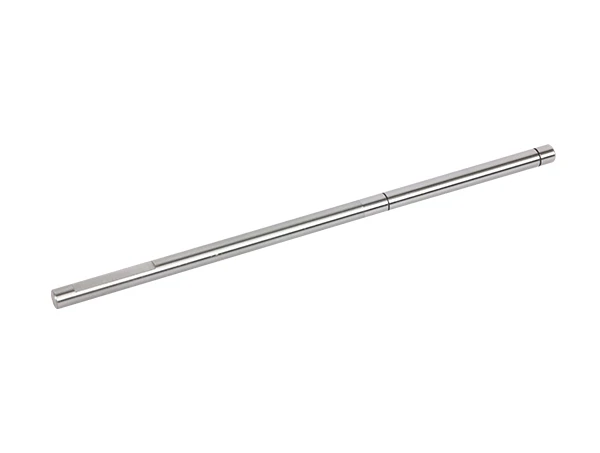
In addition to these maintenance tips, it's also important to understand the different types of serpentine belt pulleys and how they work. There are several types of pulleys, including Motor Output Shaft, Internal Spline Shaft, and Motor Rotor Shaft. Each type of pulley has its own unique design and function, so it's important to choose the right one for your vehicle.
For example, the motor output shaft pulley is responsible for transferring power from the engine to the transmission. It needs to be strong and durable to handle the high torque and rotational forces. The internal spline shaft pulley, on the other hand, is used to connect the pulley to the shaft and allow for easy installation and removal. The motor rotor shaft pulley is designed to work with the motor's rotor and help transfer power to the other components.
As a drive belt pulley supplier, I have a wide range of pulleys available to meet the needs of different vehicles and applications. Whether you're looking for a standard pulley or a custom-designed one, I can help you find the right part for your vehicle.
So, if you're in the market for a new serpentine belt pulley or just need some advice on maintenance, don't hesitate to reach out. I'm here to help you keep your vehicle running smoothly and avoid any costly repairs. Contact me today to discuss your needs and start the procurement process.
In conclusion, maintaining your serpentine belt pulley is essential for the proper operation of your vehicle's engine. By following these tips and keeping an eye out for the signs of wear and damage, you can ensure that your pulley lasts as long as possible and keeps your engine running smoothly. And if you ever need a new pulley, remember that I'm here to help.
References:
- Automotive Repair Manuals
- Manufacturer's Recommendations
- Industry Publications