

What is the material used for the stator of low voltage ac motors?
Aug 04, 2025
Hey there! As a supplier of low voltage AC motors, I often get asked about the materials used for the stator. So, I thought I'd take a few minutes to break it down for you.
First off, let's talk about what the stator is. In a low voltage AC motor, the stator is the stationary part of the motor. It's basically the outer shell that houses the windings and other components. The stator plays a crucial role in the motor's operation because it creates a magnetic field that interacts with the rotor (the rotating part of the motor) to produce mechanical energy.
Now, onto the materials. The most common material used for the stator core is electrical steel. Electrical steel, also known as silicon steel, is specifically designed for use in electrical applications. It has a high magnetic permeability, which means it can easily conduct magnetic fields. This is important because it helps to reduce energy losses in the motor. When the magnetic field passes through the stator core, electrical steel minimizes the amount of energy that's wasted as heat.
There are two main types of electrical steel used in low voltage AC motor stators: grain-oriented and non-grain-oriented. Grain-oriented electrical steel has a specific crystal structure that allows for better magnetic performance in one direction. This type of steel is often used in high-efficiency motors where reducing losses is a top priority. On the other hand, non-grain-oriented electrical steel has a more random crystal structure and is more suitable for general-purpose motors.
The stator windings, which are another important part of the stator, are typically made of copper or aluminum. Copper is a popular choice because it has excellent electrical conductivity. This means that it can carry electrical current with very little resistance, which helps to improve the motor's efficiency. Copper also has good thermal conductivity, so it can dissipate heat effectively.
Aluminum, on the other hand, is lighter and less expensive than copper. While its electrical conductivity is not as high as copper, modern manufacturing techniques have made it possible to use aluminum windings in low voltage AC motors without sacrificing too much performance. In some cases, the cost savings associated with using aluminum can make it a more attractive option, especially for larger motors.
In addition to the core and windings, the stator may also include other materials such as insulation. Insulation is used to prevent electrical current from leaking between the windings and the stator core. Common insulation materials include polyester film, mica, and epoxy resin. These materials are chosen for their high dielectric strength, which means they can withstand high voltages without breaking down.
Now, let's talk about why the choice of materials matters. The materials used in the stator can have a significant impact on the performance, efficiency, and cost of the low voltage AC motor. For example, using high-quality electrical steel can reduce energy losses and improve the motor's efficiency, which can lead to lower operating costs over the long term. Similarly, choosing the right winding material can affect the motor's power output, temperature rise, and overall reliability.
As a low voltage AC motor supplier, we understand the importance of using the right materials. That's why we carefully select the materials for our motors to ensure that they meet the highest standards of quality and performance. Whether you're looking for a Low Voltage AC Three Phase Motor, a Low-Voltage AC Asynchronous Electric Motor, or a 32V Low Voltage AC Motor, we've got you covered.
If you're in the market for a low voltage AC motor, I encourage you to get in touch with us. We can help you choose the right motor for your specific application and provide you with all the information you need to make an informed decision. Whether you're a small business owner looking for a reliable motor for your equipment or a large industrial manufacturer in need of high-performance motors, we're here to assist you.
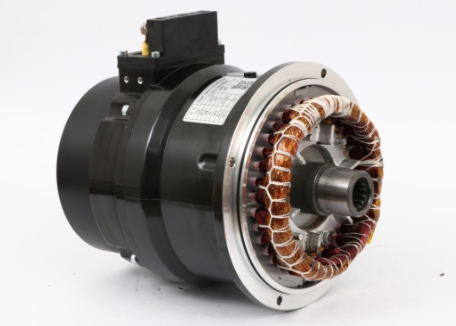

In conclusion, the stator of a low voltage AC motor is made up of several different materials, each with its own unique properties and functions. Electrical steel is used for the core, copper or aluminum for the windings, and various insulation materials to keep everything safe and efficient. By understanding the role of these materials, you can make a more informed choice when it comes to selecting a low voltage AC motor. So, don't hesitate to reach out to us if you have any questions or if you're ready to start the procurement process.
References
- Fitzgerald, A. E., Kingsley, C., Jr., & Umans, S. D. (2003). Electric Machinery. McGraw-Hill.
- Chapman, S. J. (2012). Electric Machinery Fundamentals. McGraw-Hill.