

What is the overload capacity of a drive belt pulley?
Sep 30, 2026
Hey there! As a drive belt pulley supplier, I often get asked about the overload capacity of drive belt pulleys. So, I thought I'd take a moment to break it down for you.
First off, let's understand what we mean by "overload capacity." In simple terms, it's the maximum amount of load a drive belt pulley can handle without failing or experiencing significant wear and tear. This capacity is crucial because if you push a pulley beyond its limits, it can lead to all sorts of problems, like belt slippage, premature wear, and even complete system failure.
There are several factors that can affect the overload capacity of a drive belt pulley. One of the most important is the material the pulley is made from. Different materials have different strength and durability characteristics. For example, pulleys made from high - grade steel are generally more robust and can handle higher loads compared to those made from aluminum or plastic.
The design of the pulley also plays a big role. A well - designed pulley with a proper groove profile can distribute the load more evenly across the belt, which in turn increases its overload capacity. The number of grooves and their shape are carefully engineered to ensure a good grip between the belt and the pulley.
Another factor is the type of belt being used. Different belts have different load - carrying capabilities. For instance, V - belts are known for their high power transmission efficiency and can handle relatively high loads. On the other hand, flat belts are more suitable for lighter applications.
Now, let's talk about how to calculate the overload capacity. There isn't a one - size - fits - all formula, but there are some general guidelines. Manufacturers usually provide load ratings for their pulleys based on standard operating conditions. However, in real - world scenarios, things can get a bit more complicated. You need to consider factors like the speed of the pulley, the ambient temperature, and the frequency of starts and stops.
If you're running a system where the load varies, it's important to account for peak loads. For example, in a manufacturing plant, a machine might experience sudden spikes in load during certain operations. In such cases, you need to make sure your drive belt pulley can handle these peak loads without failing.
Let's take a look at some common applications where understanding the overload capacity is crucial. In industrial machinery, like conveyor systems, the drive belt pulley needs to be able to handle the weight of the materials being transported. If the pulley's overload capacity is exceeded, the belt might slip, causing the conveyor to stop working.
In automotive applications, the drive belt pulley is responsible for powering various engine components, such as the alternator, water pump, and power steering pump. If the pulley can't handle the load, it can lead to engine performance issues and even breakdowns.
When it comes to choosing the right drive belt pulley for your application, it's essential to do your research. You can't just pick any pulley off the shelf. You need to consider the specific requirements of your system, including the load, speed, and environmental conditions.
At our company, we offer a wide range of drive belt pulleys with different overload capacities. Whether you're looking for a pulley for a small, low - load application or a heavy - duty industrial system, we've got you covered.
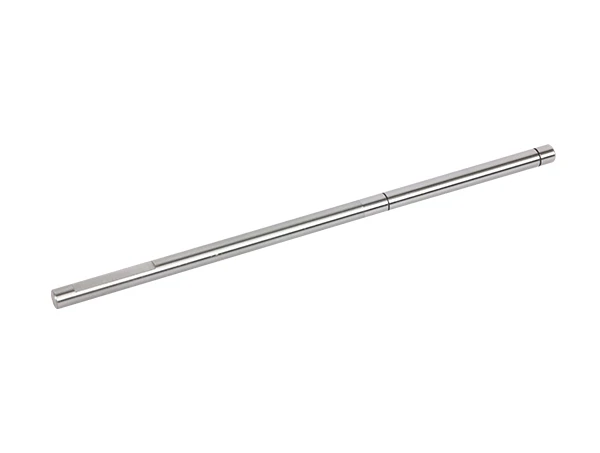
Now, I want to mention a few related products that might be of interest to you. If you're in the market for shafts, we have some great options. Check out our Gear Shaft, Motor Rotor Shaft, and Electric Motor Shaft. These shafts are designed to work in harmony with our drive belt pulleys, ensuring optimal performance for your system.
If you're unsure about which drive belt pulley is right for your needs, don't hesitate to reach out to us. Our team of experts is always ready to help you make the best choice. We can provide you with detailed information about the overload capacity of our pulleys and how they can fit into your specific application.
In conclusion, understanding the overload capacity of a drive belt pulley is essential for the smooth and efficient operation of any system. By choosing the right pulley and ensuring it can handle the load, you can avoid costly breakdowns and keep your equipment running at its best.
If you're interested in purchasing drive belt pulleys or any of our other products, we'd love to have a chat with you. We can discuss your requirements in detail and find the perfect solution for your needs. So, don't wait any longer. Get in touch with us today and let's get your project up and running!
References

- Machinery's Handbook, 31st Edition
- Drive Belt and Pulley Manufacturer's Technical Guides