

What is the role of the rotor in motor components?
Jun 23, 2025
Hey there! As a motor components supplier, I've seen firsthand how crucial each part is in making a motor work effectively. Today, I want to talk about one of the most important parts of a motor: the rotor.
What the Heck is a Rotor?
Let's start with the basics. A rotor is the rotating part of an electric motor. It's usually located in the center of the motor and is surrounded by the stator, which is the stationary part. When electricity flows through the stator, it creates a magnetic field. This magnetic field then interacts with the magnetic field of the rotor, causing the rotor to spin.
Think of it like a dance. The stator leads the way by creating the magnetic field, and the rotor follows along, spinning in response. Without the rotor, this dance couldn't happen, and the motor wouldn't be able to do its job.

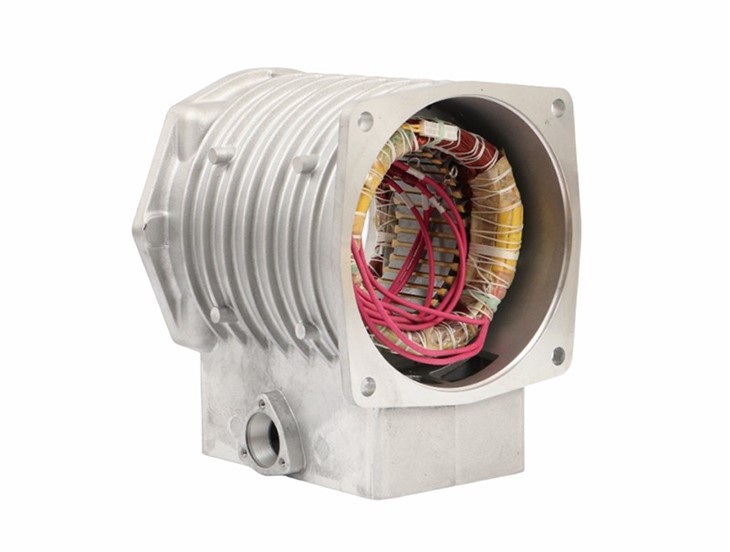
Different Types of Rotors
There are a few different types of rotors out there, and each one has its own unique characteristics.
Squirrel Cage Rotors
These are the most common type of rotors. They're called squirrel cage rotors because they look like the exercise wheels you see in a squirrel's cage. They're made up of a series of bars that are short-circuited at each end by end rings. When the stator's magnetic field interacts with the bars, it creates a current in the bars, which in turn creates a magnetic field in the rotor. This magnetic field then interacts with the stator's magnetic field, causing the rotor to spin.
Squirrel cage rotors are great because they're simple, reliable, and relatively inexpensive. They're used in a wide variety of applications, from small household appliances to large industrial motors. You can learn more about Three-Phase Motor Components, which often use squirrel cage rotors.
Wound Rotors
Wound rotors are a bit more complex than squirrel cage rotors. They have a set of windings that are connected to slip rings on the rotor shaft. External resistors can be connected to these slip rings, which allows for control of the rotor's speed and torque.
Wound rotors are often used in applications where precise control of speed and torque is required, such as in cranes and hoists. They're more expensive than squirrel cage rotors, but they offer more flexibility and control.
The Role of the Rotor in Motor Performance
The rotor plays a huge role in how well a motor performs. Here are a few ways:
Torque Generation
Torque is the force that causes an object to rotate. The rotor is responsible for generating the torque that makes the motor turn. When the stator's magnetic field interacts with the rotor's magnetic field, it creates a force that causes the rotor to spin. The strength of this force depends on a few factors, including the strength of the magnetic fields, the number of turns in the rotor windings, and the current flowing through the rotor.
Speed Control
The rotor also plays a role in controlling the speed of the motor. In some motors, the speed can be controlled by changing the frequency of the electrical supply to the stator. In other motors, such as those with wound rotors, the speed can be controlled by adjusting the external resistors connected to the slip rings.
Efficiency
The design of the rotor can have a big impact on the efficiency of the motor. A well-designed rotor will minimize losses due to heat and friction, which means that more of the electrical energy supplied to the motor is converted into mechanical energy. This not only saves energy but also reduces the operating costs of the motor.
Maintenance and Care of the Rotor
Like any other part of a motor, the rotor needs to be properly maintained to ensure long-term performance. Here are a few tips:
Regular Inspections
Regularly inspect the rotor for signs of wear and damage. Look for cracks, chips, or other signs of physical damage. Also, check the electrical connections to make sure they're secure and free of corrosion.
Cleaning
Keep the rotor clean to prevent the buildup of dirt and debris. This can be done using a soft brush or compressed air. Avoid using harsh chemicals or solvents, as these can damage the rotor's insulation.
Balancing
The rotor needs to be balanced to prevent vibration and excessive wear. Over time, the rotor can become unbalanced due to factors such as wear, damage, or the buildup of dirt. If you notice excessive vibration or noise coming from the motor, it could be a sign that the rotor needs to be balanced. You can learn more about the basic components of a motor, including the rotor, at Motor Basic Components.
The Rotor and the Motor End Cover
The motor end cover is another important part of the motor that works in conjunction with the rotor. The end cover provides protection for the rotor and other internal components of the motor. It also helps to keep the motor sealed, preventing dirt, dust, and moisture from entering the motor.
The end cover is usually made of a strong, durable material such as metal or plastic. It's designed to fit snugly around the motor, providing a tight seal. You can find more information about the motor end cover at Motor End Cover.
Why Choose Our Motor Components
As a motor components supplier, we take pride in offering high-quality rotors and other motor components. Our rotors are designed and manufactured to the highest standards, ensuring reliable performance and long service life.
We offer a wide range of rotors to suit different applications and requirements. Whether you need a squirrel cage rotor for a small household appliance or a wound rotor for a large industrial motor, we've got you covered.
In addition to our high-quality products, we also offer excellent customer service. Our team of experts is always on hand to answer your questions and help you find the right components for your needs.
Let's Talk!
If you're in the market for motor components, including rotors, I'd love to hear from you. Whether you're a small business owner looking for components for a single motor or a large industrial company in need of a bulk order, we can help. Contact us to start a conversation about your specific requirements. We're here to provide you with the best products and service possible.
References
- Electric Machinery Fundamentals by Stephen J. Chapman
- Motor and Drive Technology by Dan Hebert