

What is the short - time overload capacity of low voltage ac motors?
May 23, 2025
Hey there! As a supplier of low voltage AC motors, I often get asked about the short - time overload capacity of these motors. So, let's dig into this topic and find out what it's all about.
First off, what exactly is short - time overload capacity? Well, it's the ability of a low voltage AC motor to handle a load that's higher than its rated capacity for a short period. You know, in real - world applications, motors don't always operate under ideal, steady - state conditions. Sometimes, they need to deal with sudden spikes in load, like when a machine starts up or when there's a temporary increase in the workload.
Think about a conveyor belt system in a factory. When it first starts, it has to overcome the static friction of all the materials on it. This requires a much higher torque and power compared to when it's running at a constant speed. That's where the short - time overload capacity of the low voltage AC motor comes in handy.
The short - time overload capacity is usually expressed as a percentage of the motor's rated power and for a specific duration. For example, a motor might be able to handle 150% of its rated power for 10 minutes. This information is crucial for engineers and operators when they're selecting a motor for a particular application.
Now, let's talk about why this capacity is so important. In industrial settings, efficiency and productivity are key. If a motor can't handle short - term overloads, it might trip or even fail, causing costly downtime. For instance, in a manufacturing plant, a single motor failure can bring an entire production line to a halt. By choosing a motor with an appropriate short - time overload capacity, businesses can ensure smooth operation and avoid these disruptions.
Another aspect to consider is the design and construction of low voltage AC motors that contribute to their short - time overload capacity. The motor's winding, core materials, and cooling system all play a role. A well - designed winding can handle higher currents without overheating during short - time overloads. The core materials need to have good magnetic properties to ensure efficient energy conversion. And an effective cooling system helps dissipate the extra heat generated during these overload periods.
Let's take a look at some of the different types of low voltage AC motors and how their short - time overload capacity varies. There are the Low-Voltage AC Asynchronous Electric Motor. These motors are widely used in various industrial applications. They typically have a decent short - time overload capacity, which makes them suitable for applications with intermittent high loads.
Then there are the Low Voltage Ac Forklift Motor. Forklifts need to be able to lift heavy loads quickly, which means their motors have to handle significant short - term overloads. These motors are designed to provide high torque and power during startup and lifting operations, so they usually have a relatively high short - time overload capacity.
And don't forget about the Low Voltage AC Motor Vfd. Variable frequency drives (VFDs) can be used to control the speed and torque of low voltage AC motors. They can also enhance the motor's short - time overload capacity by adjusting the voltage and frequency according to the load requirements.
However, it's important to note that while short - time overload capacity is useful, it's not a license to constantly run the motor at an overloaded state. Running a motor continuously above its rated capacity can lead to premature wear and tear, reduced efficiency, and even permanent damage. So, it's always a good idea to operate the motor within its normal operating range as much as possible.

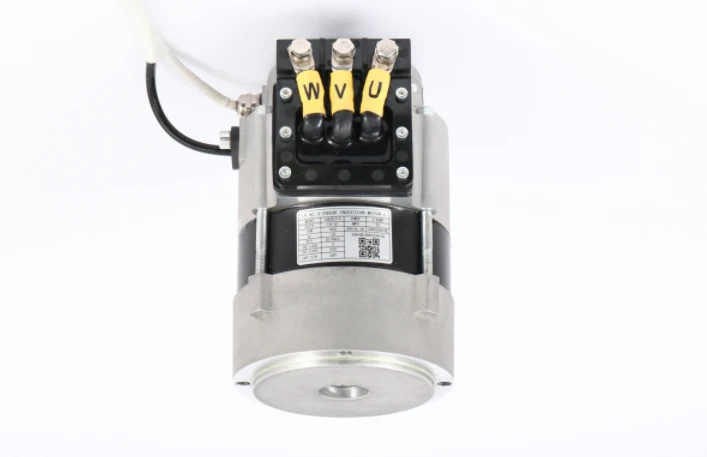
When you're in the process of selecting a low voltage AC motor for your application, here are some things to keep in mind regarding short - time overload capacity. First, determine the peak loads that the motor will encounter. This could involve looking at the startup requirements, the maximum load during operation, and any sudden changes in the load. Once you have a clear idea of these peak loads, you can choose a motor with a short - time overload capacity that can handle them.
Also, consider the duration of the overload. If the overload is only going to last for a few seconds, you might be able to get away with a motor that has a slightly lower short - time overload capacity. But if the overload is going to be for several minutes, you'll need a motor with a higher capacity.
As a low voltage AC motor supplier, I understand the importance of getting the right motor for your specific needs. We offer a wide range of motors with different short - time overload capacities to suit various applications. Whether you're in the manufacturing, logistics, or any other industry, we can help you find the perfect motor.
If you're interested in learning more about our low voltage AC motors or have questions about short - time overload capacity, feel free to reach out. We're here to assist you in making the best choice for your business. Don't hesitate to contact us for a detailed discussion about your requirements and how our motors can meet them. Let's work together to ensure your operations run smoothly and efficiently.
References
- Electrical Machinery Fundamentals by Stephen Chapman
- Industrial Electric Motor Handbook by Terry Bartheld