

What is the significance of the winding in motor basic components?
Dec 23, 2025
Hey there! As a supplier of motor basic components, I've seen firsthand the crucial role that each part plays in making motors run smoothly. Today, I want to dive into one particular component that's often overlooked but is absolutely essential: the winding. So, what's the big deal about winding in motor basic components? Let's find out.
Understanding the Basics of Winding
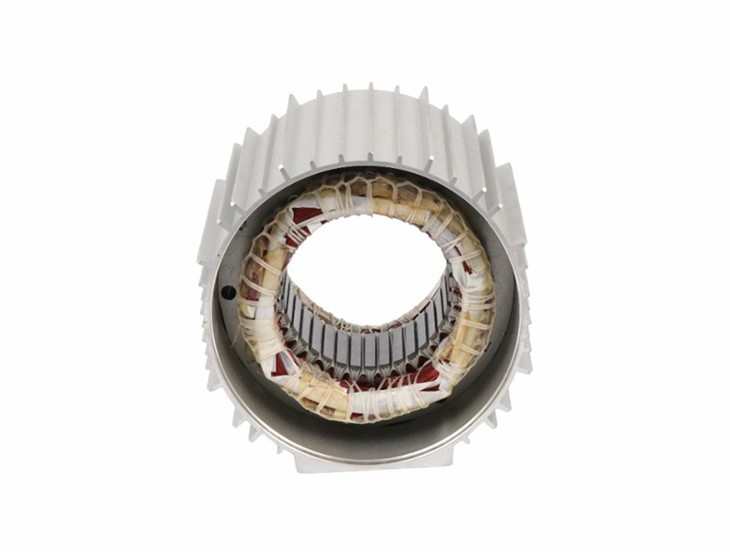
First off, let's talk about what winding actually is. In a motor, winding refers to the coils of wire that are wrapped around the motor's core. These coils are typically made of copper or aluminum, and they're designed to create a magnetic field when an electric current passes through them. This magnetic field is what turns the motor's shaft and makes it work.
There are two main types of winding in motors: stator winding and rotor winding. The stator is the stationary part of the motor, and the stator winding is responsible for creating the magnetic field that drives the motor. The rotor, on the other hand, is the rotating part of the motor, and the rotor winding interacts with the stator's magnetic field to produce torque and rotation.

The Significance of Winding in Motor Performance
Now, let's get into why winding is so important for motor performance. One of the key functions of winding is to convert electrical energy into mechanical energy. When an electric current flows through the winding, it creates a magnetic field. This magnetic field then interacts with the magnetic field of the rotor, causing the rotor to turn. The efficiency of this energy conversion process depends largely on the design and quality of the winding.
A well-designed winding can significantly improve the motor's efficiency. By reducing resistance in the wire, the motor can use less energy to produce the same amount of power. This not only saves electricity but also reduces heat generation, which can extend the motor's lifespan. On the other hand, a poorly designed or damaged winding can lead to increased energy consumption, overheating, and even motor failure.
Another important aspect of winding is its role in determining the motor's speed and torque characteristics. The number of turns in the winding, the gauge of the wire, and the way the winding is arranged all affect the motor's performance. For example, a motor with more turns in the winding will generally have a higher torque but a lower speed, while a motor with fewer turns will have a lower torque but a higher speed. By carefully designing the winding, manufacturers can customize the motor's performance to meet the specific requirements of different applications.
The Impact of Winding on Motor Reliability
In addition to performance, winding also plays a crucial role in the reliability of a motor. The winding is exposed to a lot of stress during normal operation, including electrical, thermal, and mechanical stress. Over time, this stress can cause the insulation on the wire to break down, leading to short circuits and other problems.
To ensure the reliability of the motor, it's important to use high-quality materials and proper manufacturing techniques when making the winding. The insulation on the wire should be able to withstand high temperatures and electrical currents without breaking down. The winding should also be properly secured and supported to prevent it from moving or vibrating during operation, which can cause damage to the insulation.
Regular maintenance and inspection of the winding are also essential for keeping the motor running smoothly. By checking for signs of wear, damage, or overheating, you can catch potential problems early and take steps to prevent them from getting worse. This can help to extend the life of the motor and reduce the risk of costly breakdowns.
Different Types of Winding and Their Applications
As I mentioned earlier, there are different types of winding in motors, and each type has its own unique characteristics and applications. Let's take a closer look at some of the most common types of winding:
- Single-Phase Winding: Single-phase motors are commonly used in small appliances and tools, such as fans, pumps, and power drills. Single-phase winding is relatively simple and inexpensive to manufacture, but it generally has lower efficiency and power output compared to three-phase winding.
- Three-Phase Winding: Three-phase motors are widely used in industrial and commercial applications, such as factories, warehouses, and office buildings. Three-phase winding is more complex and costly to manufacture than single-phase winding, but it offers higher efficiency, power output, and reliability. You can learn more about Three-Phase Motor Components on our website.
- Concentrated Winding: Concentrated winding is a type of winding where the coils are wound around a single tooth or pole of the stator. This type of winding is simple and easy to manufacture, but it generally has lower efficiency and power output compared to distributed winding.
- Distributed Winding: Distributed winding is a type of winding where the coils are distributed evenly around the stator. This type of winding offers higher efficiency, power output, and reliability compared to concentrated winding, but it is more complex and costly to manufacture.
The Role of Winding in Motor Design and Customization
Winding also plays a crucial role in motor design and customization. By changing the number of turns, the gauge of the wire, and the way the winding is arranged, manufacturers can customize the motor's performance to meet the specific requirements of different applications.
For example, if you need a motor with high torque and low speed, the manufacturer can design a winding with more turns and a thicker gauge of wire. On the other hand, if you need a motor with high speed and low torque, the manufacturer can design a winding with fewer turns and a thinner gauge of wire.
In addition to performance customization, winding can also be used to improve the motor's starting characteristics, reduce noise and vibration, and enhance its overall reliability. By working closely with a motor component supplier, you can get a motor that's tailored to your exact needs.
Our Offerings as a Motor Basic Components Supplier
As a supplier of motor basic components, we offer a wide range of high-quality winding components to meet the needs of different customers. Our Motor Coil Winding Components are made from the finest materials and are manufactured using state-of-the-art techniques to ensure maximum performance and reliability.
We also provide custom winding solutions to help you get the motor that's right for your application. Our team of experienced engineers can work with you to design and manufacture a winding that meets your specific requirements, whether it's for a small appliance or a large industrial motor.
In addition to winding components, we also offer a variety of other motor basic components, such as Motor Frame Components. Our goal is to provide you with everything you need to build a high-quality, reliable motor at a competitive price.
Conclusion
In conclusion, the winding is a critical component in motor basic components. It plays a crucial role in converting electrical energy into mechanical energy, determining the motor's performance and reliability, and enabling motor customization. Whether you're an engineer, a manufacturer, or a buyer, understanding the significance of winding can help you make informed decisions when it comes to choosing the right motor for your application.
If you're interested in learning more about our motor basic components or need help with a specific project, don't hesitate to reach out. We're here to assist you with all your motor component needs and look forward to the opportunity to work with you on your next procurement. Let's start the conversation and find the perfect solution for your motor requirements together!
References
- Chapman, S. J. (2012). Electric Machinery Fundamentals. McGraw-Hill Education.
- Fitzgerald, A. E., Kingsley Jr, C., & Umans, S. D. (2013). Electric Machinery. McGraw-Hill Education.