

What materials are motor end covers usually made of?
May 12, 2025
As a leading supplier of motor end covers, I am often asked about the materials commonly used in their production. The choice of material for motor end covers is crucial as it directly impacts the performance, durability, and cost of the motor. In this blog post, I will explore the various materials typically used for motor end covers, their properties, advantages, and disadvantages.
Cast Iron
Cast iron is one of the most traditional materials used for motor end covers. It has been a popular choice for many years due to its excellent mechanical properties and affordability. Cast iron is known for its high strength, good wear resistance, and ability to dampen vibrations. These properties make it ideal for use in motors that operate under heavy loads or in harsh environments.
One of the main advantages of cast iron is its relatively low cost compared to other materials. It is also readily available and can be easily cast into complex shapes, allowing for the production of customized motor end covers. Additionally, cast iron has good thermal conductivity, which helps to dissipate heat generated by the motor, preventing overheating and extending the motor's lifespan.
However, cast iron also has some drawbacks. It is a relatively heavy material, which can increase the overall weight of the motor. This can be a disadvantage in applications where weight is a critical factor, such as in portable or lightweight equipment. Cast iron is also prone to corrosion, especially in humid or corrosive environments. To mitigate this issue, cast iron motor end covers are often coated or painted to provide a protective barrier against corrosion.
Aluminum
Aluminum has become an increasingly popular material for motor end covers in recent years. It offers several advantages over cast iron, including its lightweight, high strength-to-weight ratio, and excellent corrosion resistance. Aluminum is also a good conductor of heat, which helps to dissipate heat more efficiently than cast iron.
One of the key benefits of using aluminum for motor end covers is its weight savings. Aluminum is approximately one-third the weight of cast iron, which can significantly reduce the overall weight of the motor. This is particularly advantageous in applications where weight is a concern, such as in automotive or aerospace industries. The lightweight nature of aluminum also makes it easier to handle and install, reducing labor costs.
In addition to its weight savings, aluminum is highly resistant to corrosion. It forms a thin oxide layer on its surface when exposed to air, which provides a protective barrier against rust and other forms of corrosion. This makes aluminum motor end covers suitable for use in a wide range of environments, including outdoor and marine applications.
However, aluminum also has some limitations. It is generally more expensive than cast iron, which can increase the cost of the motor. Aluminum is also softer than cast iron, which means it may be more prone to damage or wear in high-stress applications. To overcome these limitations, aluminum motor end covers can be heat-treated or alloyed with other metals to improve their strength and hardness.
Steel
Steel is another commonly used material for motor end covers. It offers high strength, good durability, and excellent machinability. Steel motor end covers are often used in applications where high strength and reliability are required, such as in industrial motors or heavy-duty equipment.
One of the main advantages of steel is its high strength-to-weight ratio. It is stronger than aluminum and can withstand higher loads and stresses without deformation. Steel is also highly resistant to wear and abrasion, making it suitable for use in motors that operate in harsh or abrasive environments.
In addition to its strength and durability, steel is a versatile material that can be easily machined and fabricated into various shapes and sizes. This allows for the production of custom-designed motor end covers to meet specific application requirements. Steel motor end covers can also be coated or plated to enhance their corrosion resistance and appearance.
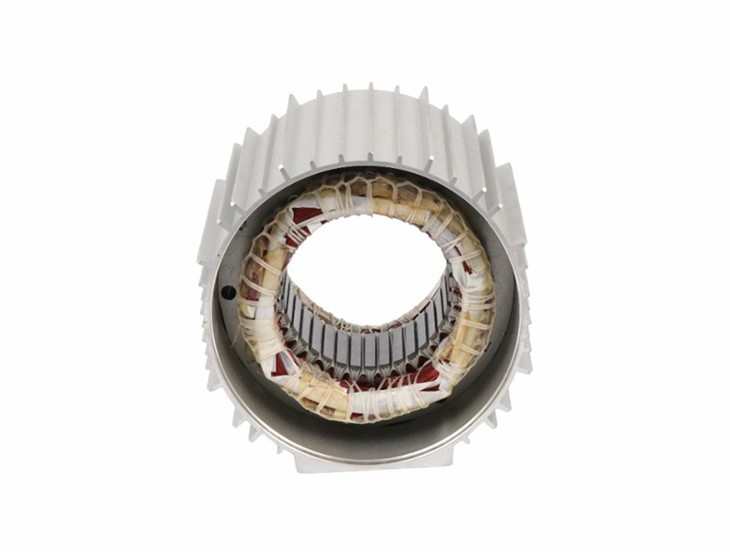
However, steel also has some disadvantages. It is a relatively heavy material, which can increase the overall weight of the motor. Steel is also more prone to corrosion than aluminum, especially in humid or corrosive environments. To prevent corrosion, steel motor end covers are often coated with a protective layer, such as zinc or paint.
Plastic
Plastic has emerged as a viable alternative to traditional materials for motor end covers in recent years. It offers several advantages, including its lightweight, low cost, and excellent design flexibility. Plastic motor end covers are often used in applications where weight, cost, or aesthetics are important considerations, such as in consumer electronics or household appliances.
One of the main benefits of using plastic for motor end covers is its lightweight nature. Plastic is significantly lighter than cast iron, aluminum, or steel, which can reduce the overall weight of the motor and improve its energy efficiency. Plastic is also relatively inexpensive compared to other materials, making it a cost-effective option for mass-produced motors.
In addition to its weight and cost advantages, plastic offers excellent design flexibility. It can be easily molded into complex shapes and sizes, allowing for the production of custom-designed motor end covers with unique features and aesthetics. Plastic motor end covers can also be colored or textured to enhance their appearance and match the overall design of the motor or equipment.

However, plastic also has some limitations. It is generally less strong and durable than metal materials, which means it may not be suitable for use in high-stress applications. Plastic is also more prone to heat deformation and degradation, which can limit its use in motors that operate at high temperatures. To overcome these limitations, plastic motor end covers can be reinforced with fibers or additives to improve their strength and heat resistance.
Conclusion
In conclusion, the choice of material for motor end covers depends on several factors, including the application requirements, performance specifications, cost, and environmental conditions. Cast iron, aluminum, steel, and plastic are all commonly used materials for motor end covers, each with its own unique properties, advantages, and disadvantages.
As a motor end cover supplier, we offer a wide range of materials and finishes to meet the diverse needs of our customers. Whether you need a high-strength cast iron end cover for heavy-duty applications or a lightweight plastic end cover for consumer electronics, we can provide you with the right solution.
If you are interested in learning more about our motor end covers or would like to discuss your specific requirements, please feel free to contact us. We look forward to working with you to provide the best motor end cover solutions for your applications.
References
- "Materials for Motor Components." Motor Design, [Date of Publication].
- "Cast Iron: Properties and Applications." ASM International Handbook, [Year of Publication].
- "Aluminum Alloys: Structure and Properties." CRC Press, [Year of Publication].
- "Steel: Processing, Structure, and Performance." ASM International, [Year of Publication].
- "Plastics in Engineering Applications." Wiley, [Year of Publication].
As a trusted supplier of motor end covers, we also offer a wide range of Motor Frame Components, Motor Stator Components, and Motor Basic Components. If you are in the market for high-quality motor components, we invite you to reach out to us for a detailed discussion on your procurement needs. Our team of experts is ready to assist you in finding the best solutions for your motor applications. Contact us today to start the procurement process and explore how our products can enhance the performance and reliability of your motors.