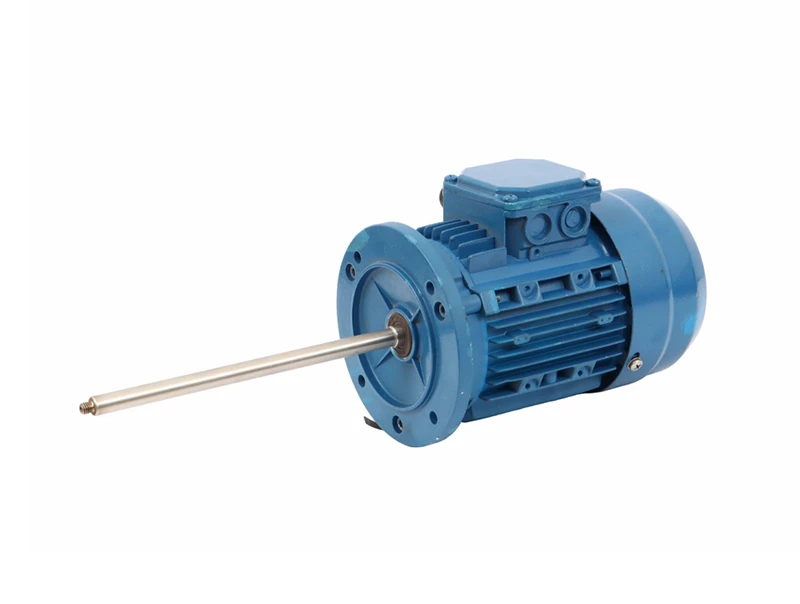
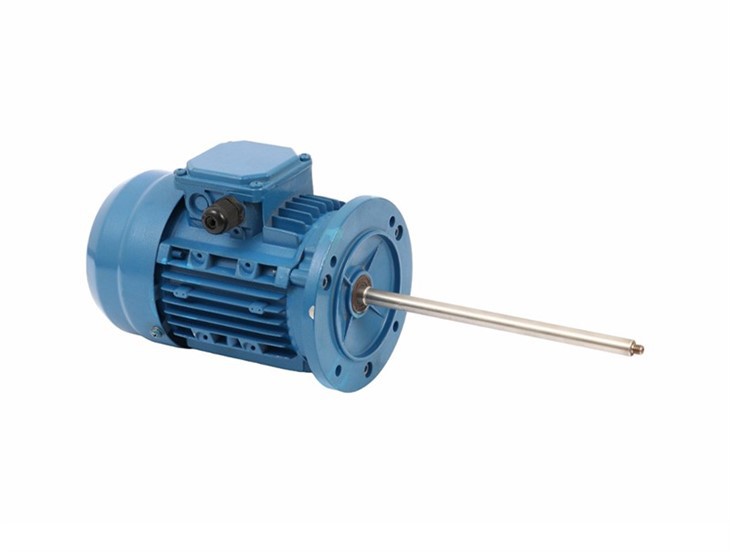
AC Single Phase Motor

Why Choose Us
 

Quality Control
We have a complete set of advanced motor testing equipment and produce in strict accordance with the standards of ISO9001 international quality management system. We are committed to providing customers with high-performance, high-quality products and continuously improving the quality of our products in every detail.


Advanced Production Equipment
We have a full set of advanced production and quality control equipment like motor performance testing system, motor testing software, armature comprehensive test system, winding machine, stator comprehensive test system, automatic stator coil shaping machine, welding equipment ,hydraulic press machine ,lathe ,cutting machine.


Rich Experience
Ningbo Zhenhai Yuanyi M&E Manufacture Co., LTD(YME) was established in 2007 and has over 16 years of experience in the designing, R&D, manufacturing and marketing of motors.


Superb Team
We have a skilled team,advanced production equipment and modern test facilities , which can provide customers with professional technical support and customized services according to customer requirements.


What is AC Single Phase Motor


AC Single Phase Motor are motors designed to run on single-phase power. The most basic design of a single-phase motor contains a single-coil each for the rotor and stator. As the alternating current passes through these coils, changing direction every half-cycle of the sine wave, the rotor and stator, in turn, attract and repel each other, producing a continuous revolution of the rotor. Single-phase motors are not self-starting, requiring additional capacitors or start-up winding mechanisms at the beginning of each operation.

Advantages of AC Single Phase Motor


220v AC Single Phase Motor

Lightweight, compact unit

As the transmission voltage is high, the current through the line will be less. This means that the conductor can be quite lightweight and compact in size, which also results in the supporting tower becoming lighter. The unit is, overall, quite a portable one.

220v AC Single Phase Motor

Efficient transmission

Another result of the low current is that the I2R losses are reduced. This means that the efficiency of the transmission increases, ensuring that the unit operates at its optimum.

220v AC Single Phase Motor

Less substations required

Another result of the I2R reduction is that the distance between the two substations can be increased. This means that fewer substations are required for these systems. The substations can also be located near to the high voltage grid, which reduces the initial cost of transmission.


Main Types of Ac Single Phase Motors
 

Shaded-pole induction motors

A shaded-pole motor uses a squirrel cage rotor and usually range from 1/20th to 1/6th of a horsepower for small motors. This has additional windings in each corner of the stator, called shade windings. These are not connected but generate a current from the induced field. This inhibits the field, creating a low torque to get the motor moving.

Split-phase induction motors

A split-phase induction motor has two windings, a run winding and a secondary start winding, and usually operate up to 1/3 horsepower to drive blades on a ceiling fan, washing machines tubs, blower motors for oil furnaces, and small pumps.
The higher power start winding gets the motor moving up to 75 to 80% of its speed, and then a centrifugal switch is used to switch over to the less powerful run coil to save energy.


Water Pump AC Single Phase Motor


Structure of an AC Single Phase Motor

Flange bracket die cast aluminum bracket with a machined finish, press-fitted into the motor case
Stator comprised of a stator core made from electromagnetic steel plates, a polyester-coated copper coil, and insulation film
Motor case made from die cast aluminum with a machined finish inside
Rotor electromagnetic steel plates with die cast aluminum
Output shaft available in round shaft type and pinion shaft type. The metal used in the shaft is S45C. Round shaft type has a shaft flat (output power of 25 W 1/30 HP or more), while pinion shaft type undergoes precision gear finishing.
Ball bearing
Lead wires with heat-resistant polyethylene coating
Paint baked finish of acrylic resin or melamine resin


Single-Phase Characteristics of Ac Single-Phase Motor

For a single-phase motor, the stator winding consists of a series of coils arranged around the rotor. When an AC current is applied to the stator, it generates a single north/south magnetic field, rotating at the line frequency. At full speed, the rotor will spin in accordance with these fields.
However, without other provisions, when a single-phase motor is energized to start from a completely stopped condition, the motor would remain stalled, or if it does run it might do so forward or backward depending on its initial position. To overcome this problem, AC motors commonly include a secondary starting coil wired in series with a capacitor. Upon startup, this circuit causes a magnetic field phase shift, which starts the rotor turning in a predictable direction. Once the rotor is spinning sufficiently fast, a centrifugal switch opens to disconnect this starting circuit. The starting coil is designed to define the desired rotation direction.

220v AC Single Phase Motor


Reasons to Use AC Motors


• Efficiency – AC motors have a high speed to torque characteristic, which offers excellent performance without overheating, braking, or degeneration. The performance of AC motors is why they are used in high demand applications. About 85% of the incoming energy is used to create the outgoing mechanical energy.


• Lifespan – AC motors last in the most demanding of conditions. The only component that may need to be replaced are bearings, which is a simple, easy, and affordable repair. AC motors have two bearings that have to be periodically lubricated. The durability of AC motors is one of the reasons that they are chosen for off road applications or use in rigorous conditions.


• Quiet – Since AC motors have a very low sound output, they are chosen for commercial environments where food is being served or customer service is essential. The sound that AC motors produce is a low hum.


• Adaptability – There are several factors that make AC motors adaptable and flexible. They are powered on using a simple on and off switch, which can be reversed. An additional factor is their variable speed and power output that makes them adaptable to conditions where there are multiple users.


• Accessibility – Every industrial operation has a variety of conditions that require multiple sources of power and energy. Since AC motors come in several shapes, sizes, and different power outputs, they can easily be fitted to any possible situation or be customized and designed to fit specialized and unique conditions.


• Simplicity – The fact that an AC motor has only one moving part is a major benefit to their use. The stator of an AC motor is the same for asynchronous and synchronous motors. This simplicity of design is the reason that they are quiet running, low cost, and long lasting.


• Brushless – A brush motor uses brushes and a commutator to supply electricity to magnetic coils on the armature. This process creates friction, heat, and a loss of energy. A brushless motor, AC motor, eliminates the brushes and commutator, which creates a cooler and more efficient motor that has less wear.


• Self-Starting – Only AC excitation is necessary to operate an AC motor. The simplicity of the starting mechanism does not require any additional component for an AC motor to start.


• Speed Regulation – The speed of an AC motor can be controlled by changing the frequency that is sent to the motor, which causes it to speed up or slow down.


• Single Phase Input – Part of the adaptability of an AC motor is how it can run using a single phase input for a three phase motor even though the location may not have a three phase input.


Troubleshooting and Testing Single Phase AC Single Phase Motor
 
1. Broken windings - open circuit

One of the most common reasons for motor failure is broken windings. In this failure mode, the wire in one of the two windings has severed, and the magnetic field is not being generated. The obvious symptom of a broken winding is that the motor does not turn when powered, but it may spin freely when turned by hand.
Often, the failure is at one of the connection points, but the windings can fail anywhere. Unfortunately, if the winding is broken in the middle, it can be hard to find and is rarely worth repairing, as the motor will need to be rewound. If the winding is broken at one of the terminals, this can typically be repaired.
Testing for a broken winding is notoriously difficult on single-phase motors. Since the start winding contains a capacitor and has a different impedance, it is impractical to measure each winding to locate the fault.
All single-phase motors have two wires entering the casing, L and N. Often, there’s a third ground wire as well. Place a multimeter across the L and N leads and set the meter to resistance. The value should start at a lower resistance, but not zero, and should quickly increase a bit and level off at a slightly higher value (this is intentionally vague, as the exact resistance values depend on the motor size).
This action indicates that the capacitive start winding was indeed being charged properly and is functional, and since the resistance reached a steady level, this also indicates that the run winding is functional. If the start winding is open, the resistance will not change at all. If the run winding is open, the capacitor will keep charging and the resistance will slowly keep increasing.

2. Insulation failure - short circuit

The opposite of a broken winding is a short circuit where the insulation has failed. This might be found through visual inspection where worn, melted, or otherwise damaged insulation in the coil windings. However, sometimes the damage is hidden inside the casing, or invisible to the human eye, as certain chemical exposure or thermal degradation of insulation can lead to the change in dielectric properties of the wire insulation, which must be determined using other means.
The first test for determining insulation failure is to use a multimeter to see if there is continuity or low resistance between the S terminal and the housing or chassis. This test is then repeated with the R terminal. Finally, the C terminal and the housing should be tested. In spite of common language (common, grounded, etc), there should be high resistance between the C terminal and the motor chassis. If any of these tests indicate a low resistance, the insulation may be damaged.
Another test is to use a megohmmeter to test the insulation, in case the resistance value is lower than it should be, but not completely zero like a true short-circuit.
A megohmmeter places high voltage across its terminals so that very high resistances can be measured. Even if a motor has passed the multimeter test, it is still a good idea to test with a megohmmeter. Readings below a megaohm indicate either a direct short or an insulation or dielectric breakdown. Extra caution must be used when testing with a megohmmeter, as they can be used to apply 5000 V or more.

3. Motor overload

I (the author) first experienced single-phase AC motor overload when he was a kid. From the top bunk of his bunk bed, he kept piling clothes on the ceiling fan and turning it on. It seemed like a fun game, for a while. Eventually, a pair of pajama pants got wrapped around the fan, and combined with the load of the other clothes and the imbalanced nature of the stacking, the fan stopped spinning, humming lightly instead. Suddenly the lights went out in the room. The motor kept drawing more current until the breaker tripped.
Lots of conditions can lead to motor overload, such as physically overloading the motor, as described above, not performing maintenance, so that lubricated surfaces become unlubricated, collecting dust and debris that can stall the motor, and other such situations. Furthermore, many of these motors also have a thermal switch that can open if the motor is running too hot. This is sometimes a problem with home appliances when their vents are blocked on crowded countertops or shoved into a corner for aesthetic rather than functional purposes.
Overloading can be fixed by examining the motor and its operating conditions, and then changing them. Replacing a set of worn bearings, removing some of the load, applying grease, or moving the motor to a location with better ventilation can fix this problem. However, it might be worth checking the windings if the motor has been overloaded multiple times to ensure that the insulation has not been thermally damaged.

4. Capacitor failure

Some motors have a large capacitor for boosting and shifting the current to start the motor. This startup capacitor is only engaged, charging and discharging during startup. If a motor is equipped with a startup capacitor and intermittently or permanently fails to start, yet the motor turns freely, and no breakers are being flipped, it is possible the startup capacitor is bad.
Capacitors that have failed may be physically damaged. Any capacitor that is bulged at the sides or has leaked electrolyte should be replaced. However, some simply dry out, and there are no visible clues to their failure. A good multimeter can be used to check the startup capacitor. Take caution, however, when handling capacitors. If a capacitor is working, it may retain a charge for years after being disconnected from the power.


Our Factory

Ningbo Zhenhai Yuanyi M&E Manufacture Co., LTD(YME) was established in 2007 and has over 16 years of experience in the designing, R&D, manufacturing and marketing of motors. We are committed to ongoing development and improvements. With the rapid development of the company's business, we successfully relocated to our brand new address with size over 14,000 SQM in 2022, marking an exciting milestone in our history.
Ningbo Zhenhai Yuanyi M&E Manufacture Co., LTD(YME) is a technology-based enterprise established in 2007. We focus on the R&D, manufacturing and marketing of motors, mainly producing a full range of small to medium size of AC & DC motors as well as customized motors and motor parts. We have a skilled team,advanced production equipment and modern test facilities , which can provide customers with professional technical support and customized services according to customer requirements. In order to ensure the performance and quality of our products, we have a complete set of advanced motor testing equipment and produce in strict accordance with the standards of ISO9001 international quality management system. We are committed to providing customers with high-performance, high-quality products and continuously improving the quality of our products in every detail. Excellent quality, quick response and personalized manufacture service could fully satisfy you.

productcate-1-1


Our Certificate

productcate-1-1
productcate-1-1
productcate-1-1
productcate-1-1


FAQ
 

Q: What is an AC single phase motor?

A: An AC single phase motor is an electric motor powered by a single phase AC power supply, and is usually used in small household appliances, tools and equipment.

Q: What is the working principle of an AC single phase motor?

A: The working principle of an AC single phase motor is based on the principle of electromagnetic induction. A magnetic field is generated in the stator coil through a single phase AC power supply. This magnetic field interacts with the conductor in the rotor to generate a rotational torque, thereby driving the motor to rotate.

Q: What are the main types of AC single phase motors?

A: AC single phase motors are mainly divided into two categories: split phase and shaded pole. Split phase motors use capacitors or resistors in series with the inductive starting winding to play a phase shifting role, so that the current phases of the starting winding and the working winding are staggered. Shaded pole motors generate a rotating magnetic field by embedding a short circuit copper ring or a short circuit coil in part of the stator magnetic pole.

Q: How to choose a suitable AC single phase motor?

A: Choosing a suitable AC single phase motor requires consideration of factors such as power, speed, torque, efficiency, noise, vibration, and operating environment and load conditions.

Q: What are the starting methods of AC single phase motors?

A: The starting methods of AC single phase motors mainly include capacitor starting, resistor starting, shaded pole starting, etc. Among them, capacitor starting is one of the most common methods.

Q: What are the speed control methods of AC single phase motors?

A: The speed control methods of AC single phase motors include changing the power supply voltage, using capacitor speed control, resistor speed control, and using frequency converter speed control. Frequency converter speed control is currently the most widely used and efficient speed control method.

Q: What is the efficiency of AC single phase motors?

A: The efficiency of AC single phase motors is usually between 70% and 95%, depending on the type, design, working conditions and load of the motor.

Q: How to control the noise and vibration of AC single phase motors?

A: Controlling the noise and vibration of AC single phase motors can be achieved by optimizing motor design, selecting high quality bearings and lubricants, reasonably installing and debugging, and using sound insulation and shock absorbing materials.

Q: What are the maintenance precautions for AC single phase motors?

A: When maintaining AC single phase motors, attention should be paid to regularly checking the operating status of the motor, cleaning the motor surface and heat sink, replacing worn bearings and seals, etc. At the same time, long term overload operation and frequent starting and stopping of the motor should be avoided.

Q: Is the AC single phase motor suitable for occasions with frequent starting and stopping?

A: AC single phase motors can be used in occasions with frequent starting and stopping, but factors such as the motor's starting torque, braking performance, and thermal tolerance need to be considered. When selecting a motor, it should be ensured that it can meet the requirements of frequent starting and stopping.

Q: What is the overload capacity of AC single phase motors?

A: AC single phase motors have a certain overload tolerance, but long term overload operation may cause the motor to overheat and damage. Therefore, long term overload operation should be avoided during use, and the thermal protection device of the motor should be checked regularly to see if it is effective.

Q: How long is the service life of an AC single phase motor?

A: The service life of an AC single phase motor depends on its quality, use environment, and maintenance. Under normal use and maintenance conditions, the service life of the motor can reach several years or even longer.

Q: What is the insulation grade of an AC single phase motor?

A: The insulation grade of an AC single phase motor refers to the highest temperature grade that its winding can withstand. Common insulation grades include Class A, Class B, Class F, and Class H. Motors with different insulation levels have different heat resistance and service life.

Q: Are AC single phase motors suitable for harsh environments?

A: The performance of AC single phase motors in harsh environments depends on their design and protective measures. Generally speaking, motors with higher protection levels (such as IP54 or higher) can resist the influence of harsh environments to a certain extent. However, in extremely harsh environments (such as high temperature, high humidity, corrosive gases, etc.), specially designed motors or additional protective measures may be required to ensure their normal operation.

Q: What is the wiring method for AC single phase motors?

A: The wiring method for AC single phase motors usually includes connecting one terminal of the power cord to the black terminal of the motor, the other terminal to the white terminal of the motor, and connecting the ground wire to the motor housing. The power supply should be disconnected before wiring, and the wiring should be carried out according to the wiring diagram of the motor.

Q: How to deal with the live shell of AC single phase motors?

A: If the shell of AC single phase motors is live, the motor should be checked first for leakage. The insulation resistance of the winding to the ground can be measured with a megohmmeter to judge. If the insulation resistance is very small, it means that the motor has leakage and needs to be repaired or the insulation material replaced. At the same time, ensure that the motor is well grounded to avoid the risk of electric shock.

Q: How to lubricate the bearings of AC single phase motors?

A: The bearing lubrication of AC single phase motors should select appropriate lubricants according to the type of bearings and the conditions of use. Generally speaking, rolling bearings can be lubricated with grease or lubricating oil. When lubricating, ensure that the quality and quantity of the lubricant meet the requirements, and replace the lubricant regularly to maintain the good lubrication state of the bearings.

Q: What are the heat dissipation methods of AC single phase motors?

A: The heat dissipation methods of AC single phase motors mainly include natural cooling and forced cooling. Natural cooling refers to the heat dissipation into the air through the motor housing and heat sink. Forced cooling is to force the heat out of the motor through fans or other cooling equipment. When choosing a heat dissipation method, comprehensive consideration should be given to factors such as the motor power, use environment and load conditions.

Q: What are the troubleshooting methods for AC single phase motors?

A: The troubleshooting methods for AC single phase motors include observing the running status of the motor, measuring the voltage and current of the motor, checking the winding and insulation of the motor, and checking the bearings and lubrication of the motor. When troubleshooting, professional test instruments and tools should be used, and the motor maintenance manual should be followed.

Q: How to extend the service life of AC single phase motors?

A: To extend the service life of AC single phase motors, the following measures can be taken: select motor products with reliable quality; follow the motor's use and maintenance specifications; regularly clean the motor surface and heat sink; promptly replace worn bearings and seals; avoid long term overload operation and frequent start and stop of the motor; and regularly check the insulation and grounding of the motor, etc.

Ningbo Zhenhai Yuanyi M&E Manufacture Co., Ltd. is one of the most professional ac single phase motor manufacturers and suppliers in China, featured by quality products and good service. Please rest assured to buy customized ac single phase motor at low price from our factory.

order picking forklift motor, access platform motor, material handling lifts motor

(0/10)

clearall