

Can the basic components of a motor be affected by electromagnetic interference?
Aug 08, 2025
As a supplier of motor basic components, I've spent years delving into the intricacies of these essential parts. One question that frequently arises in the industry is whether the basic components of a motor can be affected by electromagnetic interference (EMI). In this blog post, I'll explore this topic in detail, drawing on my experience and knowledge of the field.
Understanding Motor Basic Components
Before we dive into the impact of electromagnetic interference, let's first understand the basic components of a motor. Motors typically consist of several key parts, including the stator, rotor, motor frame, and various electrical and mechanical components. Each of these components plays a crucial role in the motor's operation.
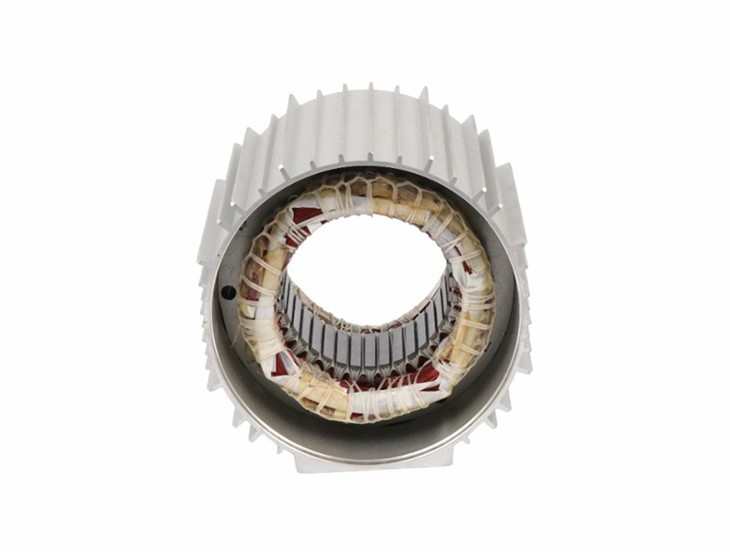
The Motor Stator Components are stationary parts of the motor that generate a magnetic field. They are usually made of laminated steel cores with copper windings. The stator's magnetic field interacts with the rotor's magnetic field to produce rotational motion.
The rotor is the rotating part of the motor. It can be a permanent magnet or an electromagnet, depending on the type of motor. The rotor's magnetic field is either fixed (in the case of permanent magnets) or created by an electrical current flowing through windings (in the case of electromagnets).
The Motor Frame Components provide structural support and protection for the motor's internal components. They also help dissipate heat generated during operation. The frame is typically made of metal or plastic and is designed to withstand the mechanical stresses and environmental conditions of the motor's application.
Other basic components of a motor include bearings, brushes (in some types of motors), and electrical connections. These components ensure smooth operation, efficient power transfer, and reliable performance.
What is Electromagnetic Interference?
Electromagnetic interference (EMI) refers to the disturbance caused by an electromagnetic field on an electrical or electronic device. EMI can be generated by a variety of sources, including power lines, radio frequency (RF) transmitters, and other electrical equipment. It can manifest as noise, distortion, or even complete failure of the affected device.
There are two main types of EMI: conducted and radiated. Conducted EMI is transmitted through electrical conductors, such as power cables and signal wires. Radiated EMI, on the other hand, is transmitted through the air as electromagnetic waves. Both types of EMI can have a significant impact on the performance of motor basic components.
How Can EMI Affect Motor Basic Components?
Impact on Stator Components
The stator windings are particularly vulnerable to EMI. Conducted EMI can cause electrical noise to be injected into the windings, leading to increased electrical losses and reduced efficiency. This can result in overheating of the stator, which can damage the insulation and ultimately lead to motor failure.
Radiated EMI can also affect the stator's magnetic field. If the electromagnetic waves from the EMI source are strong enough, they can distort the stator's magnetic field, causing the motor to run less smoothly or even stall. In addition, EMI can interfere with the control signals sent to the stator, leading to erratic motor operation.
Impact on Rotor Components
The rotor's magnetic field can also be affected by EMI. Radiated EMI can induce eddy currents in the rotor, which can cause additional heating and mechanical stress. This can lead to reduced efficiency, increased wear and tear on the rotor, and potentially premature failure.
In motors with electronic control systems, EMI can interfere with the signals used to control the rotor's speed and position. This can result in inaccurate speed regulation, jerky motion, or even loss of control over the motor.
Impact on Motor Frame Components
While the motor frame is primarily a structural component, it can also play a role in shielding the internal components from EMI. However, if the frame is not properly designed or grounded, it can actually act as an antenna, picking up and amplifying radiated EMI. This can increase the likelihood of EMI affecting the stator and rotor components.
In addition, EMI can cause electrical noise to be induced in the frame, which can be transmitted to other parts of the motor or the surrounding environment. This can lead to interference with other electrical equipment and potentially violate electromagnetic compatibility (EMC) standards.
Impact on Other Components
Bearings, brushes, and electrical connections can also be affected by EMI. Conducted EMI can cause arcing and sparking at the brush contacts, leading to increased wear and reduced lifespan. Electrical connections can become loose or corroded due to the effects of EMI, which can result in poor electrical conductivity and increased resistance.
Mitigating the Effects of EMI on Motor Basic Components
As a supplier of Motor Basic Components, I understand the importance of providing components that are resistant to EMI. Here are some strategies that can be used to mitigate the effects of EMI on motor basic components:
Shielding
One of the most effective ways to protect motor components from EMI is to use shielding. Shielding materials, such as conductive coatings or metal enclosures, can be used to block or absorb electromagnetic waves. The stator and rotor can be shielded to reduce the impact of radiated EMI, and the motor frame can be designed to provide additional shielding for the internal components.
Filtering
Filtering is another important technique for reducing EMI. Filters can be used to remove unwanted electrical noise from the power supply and control signals. Capacitors, inductors, and resistors can be used to create low-pass, high-pass, or band-pass filters, depending on the specific requirements of the motor.

Grounding
Proper grounding is essential for minimizing the effects of EMI. The motor frame and all electrical components should be grounded to provide a low-impedance path for the electrical noise to flow to the ground. This helps prevent the buildup of electrical charges and reduces the likelihood of EMI-induced interference.
Design Optimization
Motor design can also play a role in reducing the susceptibility to EMI. For example, the stator windings can be designed to have a low resistance and inductance, which can help reduce the impact of conducted EMI. The rotor can be designed with a balanced magnetic field to minimize the effects of radiated EMI.
Conclusion
In conclusion, the basic components of a motor can indeed be affected by electromagnetic interference. EMI can have a significant impact on the performance, efficiency, and reliability of motors, leading to increased maintenance costs and potential downtime. However, by understanding the ways in which EMI can affect motor components and implementing appropriate mitigation strategies, it is possible to minimize these effects and ensure the long-term performance of the motor.
As a supplier of motor basic components, I am committed to providing high-quality components that are designed to withstand the challenges of EMI. Whether you are looking for stator components, rotor components, or motor frame components, I can offer you solutions that are reliable, efficient, and resistant to electromagnetic interference.
If you are interested in learning more about our motor basic components or have any questions about EMI and its impact on motors, please feel free to contact me. I would be happy to discuss your specific requirements and help you find the best solutions for your application.
References
- Grover, F. W. (1946). Inductance Calculations: Working Formulas and Tables. Dover Publications.
- Ott, H. W. (2009). Electromagnetic Compatibility Engineering. Wiley-Interscience.
- Paul, C. R. (2006). Introduction to Electromagnetic Compatibility. Wiley-IEEE Press.