

What are the international standards for internal gears?
Aug 08, 2025
What are the international standards for internal gears?
As a seasoned internal gear supplier, I've witnessed firsthand the critical role that international standards play in the manufacturing and application of internal gears. Internal gears are unique components used in various mechanical systems, from automotive transmissions to industrial machinery. Understanding the international standards governing these gears is essential for ensuring their quality, performance, and compatibility across different industries and regions.
The Basics of Internal Gears
Before delving into the international standards, let's briefly review what internal gears are. Unlike external gears, where the teeth are on the outer surface, internal gears have teeth on the inner surface of a ring. This design allows for compact and efficient power transmission, making them ideal for applications where space is limited. Internal gears are often paired with external gears to form a gear set, providing a smooth and reliable transfer of torque.
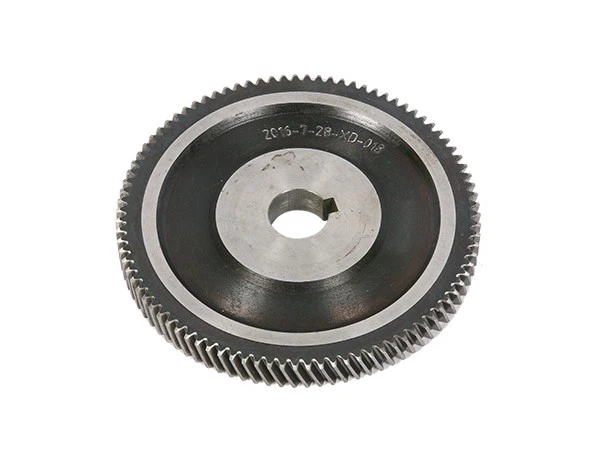
Internal gears come in different types, including Precision Spur Gear and Helical Gear. Spur internal gears have straight teeth parallel to the gear axis, while helical internal gears have teeth that are angled, providing smoother operation and higher load - carrying capacity.
International Standards for Internal Gears
The international standards for internal gears are developed by several prominent organizations, each with a specific focus on different aspects of gear manufacturing and performance.
ISO Standards
The International Organization for Standardization (ISO) is one of the most influential bodies in setting global standards for gears. ISO standards for internal gears cover a wide range of parameters, including tooth profile, pitch, and tolerance.
- Tooth Profile: ISO 21771:2007 specifies the basic rack tooth profile for cylindrical gears, which is applicable to internal gears as well. This standard ensures that the tooth shape is optimized for efficient power transmission and minimal wear. A proper tooth profile helps in reducing noise and vibration during gear operation.
- Pitch: ISO 53:1998 defines the basic concepts of pitch for cylindrical gears. For internal gears, the pitch is a crucial parameter as it determines the size and spacing of the teeth. Precise pitch control is necessary to ensure proper meshing with the mating external gear, which in turn affects the overall performance of the gear system.
- Tolerance: ISO 1328 - 1:2013 and ISO 1328 - 2:2013 provide the accuracy standards for cylindrical gears, including internal gears. These standards define the tolerances for various geometric elements such as tooth profile deviation, pitch deviation, and helix deviation. Adhering to these tolerance standards is vital for achieving high - quality internal gears with consistent performance.
AGMA Standards
The American Gear Manufacturers Association (AGMA) also plays a significant role in setting standards for gears, especially in the North American market.
- Strength Ratings: AGMA standards, such as AGMA 2001 - D04, provide methods for calculating the strength ratings of gears, including internal gears. These calculations take into account factors like material properties, load distribution, and tooth geometry. By following these standards, manufacturers can ensure that their internal gears can withstand the expected loads without failure.
- Quality Control: AGMA has standards for gear quality control, which help in maintaining the consistency and reliability of internal gears. These standards cover inspection methods, measurement techniques, and acceptance criteria. For example, AGMA 915 - A06 provides guidelines for gear inspection and measurement, ensuring that the manufactured gears meet the required specifications.
Importance of Adhering to International Standards
Adhering to international standards for internal gears offers several benefits for both manufacturers and end - users.
For Manufacturers
- Quality Assurance: By following the standards, manufacturers can ensure that their internal gears meet the highest quality levels. This reduces the likelihood of product failures, which can lead to costly recalls and damage to the company's reputation.
- Compatibility: International standards ensure that internal gears are compatible with other components in the mechanical system. This allows for seamless integration and interchangeability, making it easier for manufacturers to source parts and assemble their products.
- Global Market Access: Complying with international standards makes it easier for manufacturers to enter global markets. Many customers, especially in industries such as automotive and aerospace, require that the gears they purchase meet specific international standards.
For End - Users
- Reliability: Internal gears that meet international standards are more reliable and have a longer service life. This reduces the need for frequent replacements and maintenance, resulting in lower operating costs for the end - user.
- Performance: Standard - compliant internal gears offer better performance in terms of power transmission efficiency, noise reduction, and smooth operation. This is crucial for applications where high - precision and high - performance are required.
Our Approach as an Internal Gear Supplier
As a supplier of Internal Gear, we are committed to adhering to the highest international standards in our manufacturing process.
- Advanced Manufacturing Techniques: We use state - of - the - art manufacturing equipment and techniques to ensure that our internal gears meet the strictest tolerance requirements. Our production facilities are equipped with CNC machining centers and gear grinding machines, which allow for precise control of tooth geometry.
- Quality Control: We have a comprehensive quality control system in place, which includes in - process inspections and final product testing. Our quality control team uses advanced measurement instruments, such as coordinate measuring machines (CMMs), to verify that the gears meet the specified ISO and AGMA standards.
- Research and Development: We continuously invest in research and development to stay at the forefront of gear technology. Our R & D team works on improving the design and performance of our internal gears, taking into account the latest international standards and industry trends.
Contact Us for Your Internal Gear Needs
If you are in the market for high - quality internal gears that meet international standards, we invite you to contact us. Our team of experts can provide you with detailed information about our products, including specifications, pricing, and delivery options. Whether you need a small batch of custom - designed internal gears or a large - scale production run, we have the capabilities to meet your requirements. Let's start a conversation about how we can provide the ideal internal gear solution for your application.

References
- ISO 21771:2007, Cylindrical gears — Basic rack tooth profile
- ISO 53:1998, Cylindrical gears — Basic concepts of tooth profiles
- ISO 1328 - 1:2013, Cylindrical gears — System of accuracy — Part 1: Definitions and allowable values of deviations relevant to corresponding flanks of gear teeth
- ISO 1328 - 2:2013, Cylindrical gears — System of accuracy — Part 2: Definitions and allowable values of deviations relevant to radial composite deviations and run - out information
- AGMA 2001 - D04, Fundamental Rating Factors and Calculation Methods for Involute Spur and Helical Gear Teeth
- AGMA 915 - A06, Gear Inspection Manual