

How to ensure step shaft performance in different environmental conditions?
Jun 27, 2025
Hey there! As a step shaft supplier, I've seen firsthand how crucial it is to ensure the performance of step shafts in different environmental conditions. In this blog post, I'll share some tips and tricks on how to make sure your step shafts can handle whatever Mother Nature (or your industrial setting) throws at them.
Understanding the Basics of Step Shafts
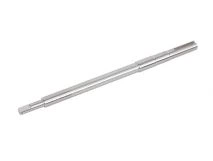
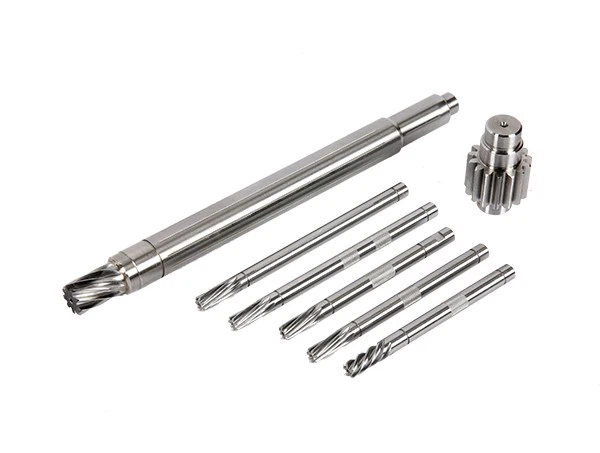
Before we dive into the environmental factors, let's quickly go over what step shafts are. Step shafts are mechanical components with multiple diameters along their length. They're used in a wide range of applications, from automotive engines to industrial machinery. You can check out our Precision Step Shafts for more details on the high - quality step shafts we offer.
Impact of Different Environmental Conditions
Temperature
Temperature can have a huge impact on step shaft performance. Extreme heat can cause the shaft to expand, which might lead to misalignment or increased friction in the system. On the other hand, extreme cold can make the shaft contract, potentially causing parts to loosen.
To combat the effects of temperature, we recommend using materials with low coefficients of thermal expansion. For instance, some high - grade alloys can maintain their dimensions better under temperature fluctuations. Also, proper lubrication is key. High - temperature lubricants can prevent excessive friction in hot environments, while low - temperature lubricants can keep the shaft moving smoothly in cold conditions.
Humidity
Humidity is another factor that can't be ignored. In high - humidity environments, step shafts are at risk of corrosion. Corrosion can weaken the shaft, reduce its strength, and ultimately lead to failure.
To protect against humidity, we offer step shafts with special coatings. These coatings act as a barrier between the shaft and the moist air, preventing corrosion. For example, zinc - plating or chrome - plating can be very effective. Regular inspections are also necessary to catch any early signs of corrosion and take corrective action.
Chemical Exposure
In industrial settings, step shafts may be exposed to various chemicals. Some chemicals can react with the shaft material, causing damage. For example, acidic chemicals can eat away at the metal surface.
When dealing with chemical exposure, it's important to choose the right material for the shaft. Stainless steel is a great option as it's resistant to many chemicals. Additionally, we can provide custom - made coatings that are specifically designed to withstand chemical attacks. You can also check out our Gear Shaft section, where we offer shafts suitable for chemically - harsh environments.
Dust and Debris
In dusty or dirty environments, dust and debris can get into the moving parts of the step shaft system. This can cause abrasion, increase friction, and lead to premature wear.
To deal with dust and debris, we suggest using seals and shields. These can prevent the entry of foreign particles into the shaft area. Regular cleaning and maintenance are also essential. For example, blowing compressed air to remove dust or using a cleaning solvent to wipe down the shaft can help keep it in good condition.
Design Considerations for Different Environments
High - Load Environments
In high - load environments, the step shaft needs to be designed to handle the extra stress. We use advanced engineering techniques to optimize the shaft's geometry. For example, increasing the diameter at the sections where the load is concentrated can improve the shaft's strength. We also select high - strength materials that can withstand heavy loads without deforming. Our Precision Gearbox Shafts are designed with high - load applications in mind.
Vibration - Prone Environments
Vibration can cause fatigue in step shafts over time. To reduce the impact of vibration, we can add dampers to the shaft system. These dampers absorb the vibration energy and prevent it from causing damage to the shaft. Also, proper balancing of the shaft is crucial. An unbalanced shaft can generate more vibration, so we use state - of - the - art balancing equipment to ensure the shaft rotates smoothly.
Testing and Quality Assurance
We don't just rely on theoretical knowledge. We conduct extensive testing on our step shafts to ensure they can perform well in different environmental conditions. We have temperature chambers where we can simulate extreme heat and cold. Our humidity chambers can mimic high - humidity environments, and our chemical testing facilities allow us to test the shaft's resistance to various chemicals.
Before shipping any step shaft, it goes through a rigorous quality - assurance process. We check the dimensions, surface finish, and mechanical properties to make sure they meet the highest standards.
Why Choose Our Step Shafts
As a step shaft supplier, we have years of experience in the industry. We understand the unique challenges that different environmental conditions pose. Our team of experts can work with you to design and manufacture step shafts that are tailored to your specific needs.
We offer a wide range of step shafts, from standard sizes to custom - made solutions. Our commitment to quality and customer satisfaction is unwavering. We use the latest manufacturing techniques and materials to ensure the best performance of our step shafts.
Let's Talk!
If you're in the market for step shafts and want to ensure their performance in different environmental conditions, we'd love to hear from you. Whether you have a specific application in mind or just need some general advice, our team is here to help. Don't hesitate to reach out to us to start a conversation about your step shaft requirements. We're confident that we can provide you with the perfect solution for your needs.
References
- "Mechanical Engineering Design" by Joseph E. Shigley
- "Materials Science and Engineering: An Introduction" by William D. Callister Jr. and David G. Rethwisch