

How to lubricate a gear shaft effectively?
Jun 27, 2025
Hey there, gear enthusiasts! I'm part of a gear shaft supplier team, and today, I'm gonna share some tips on how to lubricate a gear shaft effectively. Whether you're a DIY mechanic, an industrial engineer, or just someone curious about how things work, these insights can be super useful.
First off, let's talk about why lubrication is so crucial for gear shafts. A gear shaft is like the heart of many mechanical systems. It transfers power, enables smooth rotation, and helps different parts of a machine work together in harmony. But without proper lubrication, all that can go downhill pretty fast. Friction between the gear teeth and the shaft can cause wear and tear, generate heat, and even lead to component failure. So, keeping your gear shaft well - lubricated is essential for its longevity and optimal performance.
Types of Gear Shafts
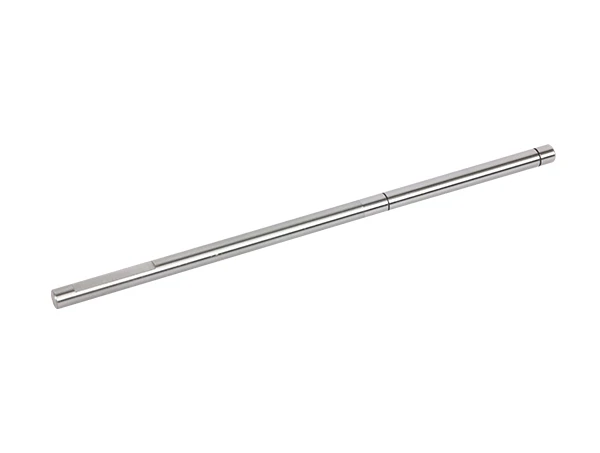
Before we dive into the lubrication process, let's briefly touch on the different types of gear shafts out there. We've got the Gear Shaft, which is the most common one. It has teeth cut into its surface to mesh with other gears and transfer rotational motion. Then there's the Worm Drive Shaft. This one's a bit different. It has a worm - like thread that engages with a worm wheel, providing high - reduction ratios and smooth, quiet operation. And don't forget the Motor Rotor Shaft, which is a key component in electric motors, transferring the rotational force generated by the motor to other parts of the system.
Choosing the Right Lubricant
Now, picking the right lubricant is half the battle. There are a few things you need to consider.
Viscosity
Viscosity is basically how thick or thin a lubricant is. You want a lubricant with the right viscosity for your gear shaft. If it's too thin, it might not provide enough protection against wear and could leak out easily. On the other hand, if it's too thick, it can cause excessive drag, reducing the efficiency of the gear shaft and increasing energy consumption.
For high - speed gear shafts, a thinner lubricant is usually better as it can flow more easily and dissipate heat quickly. For low - speed, high - torque applications, a thicker lubricant might be needed to withstand the heavy loads.
Additives
Many lubricants come with additives that enhance their performance. Anti - wear additives, for example, form a protective layer on the gear teeth and shaft surface, reducing friction and wear. Extreme - pressure additives are useful in applications where the gear shaft is subjected to high loads and pressures. They prevent the metal surfaces from welding together under extreme conditions.
Compatibility
Make sure the lubricant you choose is compatible with the materials of your gear shaft. Some lubricants can react with certain metals or plastics, causing corrosion or degradation. Check the manufacturer's recommendations to ensure compatibility.

Lubrication Methods
Once you've got the right lubricant, it's time to apply it. There are several methods you can use, depending on the type of gear shaft and the application.
Splash Lubrication
This is a simple and common method. In a gearbox, the gear shaft rotates through a pool of lubricant. As the gears turn, they splash the lubricant onto the other gears and the shaft. It's a cost - effective way to lubricate, but it might not be suitable for high - speed applications as the splashing can cause aeration of the lubricant, reducing its effectiveness.
Pressure Lubrication
In pressure lubrication, a pump is used to force the lubricant onto the gear shaft and other components. This method ensures a constant supply of lubricant, even at high speeds and under heavy loads. It's commonly used in industrial machinery and automotive engines.
Grease Lubrication
Grease is a semi - solid lubricant that's easy to apply and stays in place better than liquid lubricants. It's great for applications where the gear shaft doesn't rotate very fast or where there's a need for long - term lubrication without frequent re - application. You can apply grease using a grease gun or by packing it into the bearing housing.
Lubrication Frequency
How often you need to lubricate your gear shaft depends on several factors.
Operating Conditions
If the gear shaft is operating in a harsh environment, such as high temperatures, high humidity, or a dusty atmosphere, it will need more frequent lubrication. The same goes for applications with heavy loads or high speeds.
Manufacturer's Recommendations
Always check the manufacturer's guidelines for lubrication intervals. They usually provide specific recommendations based on the design and intended use of the gear shaft.
Maintenance and Inspection
Lubrication isn't a one - time thing. You also need to maintain and inspect the lubrication system regularly.
Oil Analysis
Periodically analyzing the lubricant can give you valuable insights into the condition of the gear shaft. You can check for signs of wear, contamination, and degradation. If the analysis shows that the lubricant is no longer effective, it's time to change it.
Visual Inspection
Regularly inspect the gear shaft for signs of wear, such as pitting, scoring, or excessive noise. Check the lubrication system for leaks, blockages, or low lubricant levels.
In conclusion, lubricating a gear shaft effectively is all about choosing the right lubricant, using the appropriate lubrication method, and maintaining a regular lubrication schedule. By following these tips, you can ensure that your gear shaft runs smoothly, lasts longer, and performs at its best.
If you're in the market for high - quality gear shafts or have any questions about lubrication, we'd love to hear from you. Whether you need a Gear Shaft, a Worm Drive Shaft, or a Motor Rotor Shaft, we've got you covered. Reach out to us for a quote and let's start a great business relationship!
References
- "Mechanical Engineering Handbook" by Myer Kutz
- "Fundamentals of Machine Elements" by Robert C. Juvinall and Kurt M. Marshek
- Various industry - specific technical manuals and guidelines