

How to increase the starting torque of a brushless DC motor?
Aug 24, 2026
Hey there! As a supplier of brushless DC motors, I get a ton of questions about how to increase the starting torque of these motors. It's a crucial aspect, especially for applications where a strong initial push is needed. So, let's dive right into it and explore some effective ways to boost that starting torque.

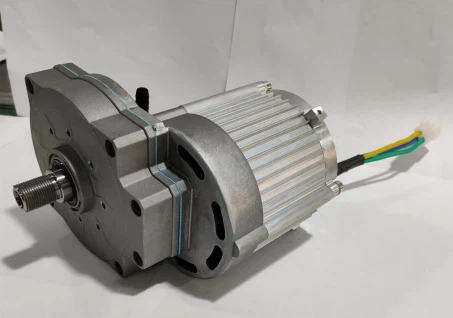
Understanding the Basics of Brushless DC Motors
Before we jump into the methods of increasing starting torque, let's quickly go over what a brushless DC motor is. Unlike traditional brushed motors, brushless DC motors use electronic commutation instead of brushes. This makes them more efficient, reliable, and longer - lasting.
The starting torque of a brushless DC motor is the torque it can generate at the moment it starts rotating. It's important because in many applications, like electric vehicles, robotics, and industrial machinery, a high starting torque is necessary to get the load moving.
Methods to Increase Starting Torque
1. Increase the Supply Voltage
One of the simplest ways to increase the starting torque of a brushless DC motor is to increase the supply voltage. According to the motor's torque - speed characteristics, the torque is proportional to the voltage. When you increase the voltage, the magnetic field strength in the motor increases, which in turn increases the torque.
However, you need to be careful not to exceed the motor's rated voltage. If you do, it can lead to overheating and damage the motor. For example, if you have a 36V Brushless Dc Motor, increasing the voltage beyond its rated 36V can cause serious problems.
2. Optimize the Motor Design
The design of the motor plays a significant role in its starting torque. Here are some design aspects to consider:
- Number of Turns in the Coils: Increasing the number of turns in the motor's coils can increase the magnetic field strength. A stronger magnetic field means more torque. But this also increases the motor's resistance, which can lead to higher power losses. So, it's a trade - off that needs to be carefully balanced.
- Magnet Strength: Using stronger magnets in the motor can significantly increase the starting torque. Neodymium magnets are a popular choice because they have a high magnetic field strength.
3. Use a Gearbox
A gearbox can be a great way to increase the starting torque of a brushless DC motor. By reducing the speed of the motor output, a gearbox can multiply the torque. For example, a 24V Brushless DC Gear Motor comes with a built - in gearbox that can provide a higher torque at a lower speed.
However, gearboxes also have some drawbacks. They add weight and complexity to the system, and they can introduce some power losses due to friction.
4. Improve the Control Algorithm
The control algorithm used to drive the brushless DC motor can have a big impact on its starting torque. Advanced control algorithms, such as field - oriented control (FOC), can provide better torque control compared to traditional control methods.
FOC allows for precise control of the motor's magnetic field, which can result in a higher starting torque. It also improves the motor's efficiency and performance over a wide range of speeds.
5. Reduce the Load Inertia
The inertia of the load connected to the motor affects the starting torque. A high - inertia load requires more torque to start rotating. You can reduce the load inertia by using lighter materials or by optimizing the mechanical design of the load.
For example, in a Brushless Golf Cart DC Motor application, using lightweight materials for the cart body can reduce the load inertia and make it easier for the motor to start.
Practical Considerations
When trying to increase the starting torque of a brushless DC motor, there are some practical considerations you need to keep in mind:
- Heat Dissipation: Increasing the torque usually means increasing the power consumption, which in turn generates more heat. Make sure the motor has proper heat dissipation mechanisms, such as heat sinks or fans, to prevent overheating.
- Cost: Some methods of increasing starting torque, like using stronger magnets or advanced control algorithms, can increase the cost of the motor. You need to balance the cost with the performance requirements of your application.
- System Compatibility: The changes you make to increase the starting torque should be compatible with the rest of the system. For example, if you increase the voltage, the power supply and other components in the system need to be able to handle it.
Conclusion
Increasing the starting torque of a brushless DC motor is a multi - faceted process that involves a combination of design, control, and practical considerations. By using the methods we've discussed, such as increasing the supply voltage, optimizing the motor design, using a gearbox, improving the control algorithm, and reducing the load inertia, you can significantly boost the starting torque of your brushless DC motor.
If you're looking for high - quality brushless DC motors with excellent starting torque, we're here to help. Whether you need a 36V Brushless Dc Motor, a Brushless Golf Cart DC Motor, or a 24V Brushless DC Gear Motor, we have a wide range of options to meet your needs. Contact us to discuss your requirements and start a procurement negotiation.
References
- "Electric Motors and Drives: Fundamentals, Types and Applications" by Austin Hughes and Bill Drury
- "Brushless Permanent - Magnet Motor Design" by Ned Mohan