

How to install motor frame components in a confined space?
Jun 17, 2025
Installing motor frame components in a confined space can be a real headache, but with the right know - how and the right components, it doesn't have to be. As a motor frame components supplier, I've seen it all when it comes to these tricky installations, and I'm here to share some tips and tricks to make your job easier.
Understanding the Challenge of Confined Spaces
First off, let's talk about why confined spaces are such a pain in the neck for motor frame component installations. When you're working in a tight area, you've got limited access. You can't just swing your tools around like you would in an open workshop. There's also the issue of visibility. You might not be able to see exactly what you're doing, which can lead to mistakes. And let's not forget about the risk of damaging the components or the surrounding equipment. One wrong move, and you could end up with a costly repair job.
Planning Your Installation
Before you even start the installation, you need to do some serious planning. Take a good look at the confined space. Measure it carefully to make sure all the components you've got will fit. You can use a tape measure or even a laser measuring device for more accurate results. Make a sketch of the space, noting down any obstacles like pipes, wires, or other equipment that might get in the way.
Once you've got a clear idea of the space, it's time to pick the right components. At our company, we offer a wide range of Motor Frame Components that are designed to be installed in confined spaces. Our components are often more compact and easier to maneuver than standard ones. For example, our Motor End Cover is designed with a slim profile, which means it takes up less space and can be installed more easily in tight spots.
Preparing the Components
Before you start the actual installation, you need to prepare the components. Clean them thoroughly to remove any dirt, grease, or debris. This will not only make the installation smoother but also help prevent any damage to the components. You can use a mild detergent and a soft cloth to clean them.
Check all the components for any signs of damage or defects. If you find any issues, don't use the component. Instead, contact us, and we'll replace it for you. We stand behind the quality of our Motor Frame Components, and we want to make sure you get the best products for your installation.
Tools for the Job
Having the right tools is crucial when installing motor frame components in a confined space. You'll need a set of basic hand tools like wrenches, screwdrivers, and pliers. Make sure they're the right size for the job. In a confined space, you might need some specialty tools as well. For example, a right - angle screwdriver can be very useful when you need to reach screws in hard - to - access places.
A torque wrench is also a must - have. It allows you to tighten bolts and nuts to the correct torque, which is important for the proper functioning of the motor. Over - tightening can damage the components, while under - tightening can lead to loose connections and potential safety hazards.
Installation Process
Now, let's get into the actual installation process. Start by positioning the motor frame in the confined space. Be very careful when moving it, as it can be heavy and awkward to handle. You might need an extra pair of hands to help you with this step.
Once the frame is in place, start installing the components one by one. Begin with the larger components like the base and the side panels. Make sure they're aligned correctly before you start tightening the bolts. Use a level to check the alignment, especially if the motor needs to be installed horizontally or vertically.
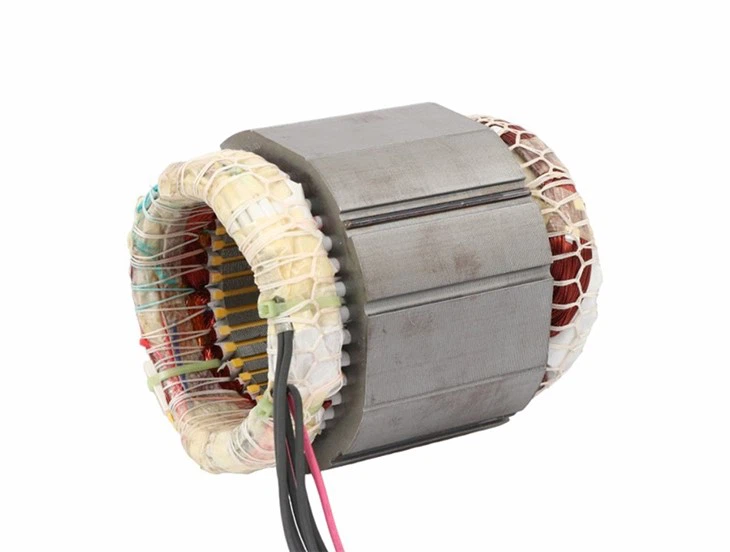
When installing the Motor Coil Winding Components, be extra careful. These components are often delicate and can be easily damaged. Follow the manufacturer's instructions carefully. Make sure all the connections are secure and that there are no loose wires.
As you're installing the components, keep checking for any signs of interference. If a component doesn't fit properly or seems to be hitting an obstacle, stop and re - evaluate the situation. You might need to make some adjustments or even use a different component.
Testing and Finishing Up
After you've installed all the components, it's time to test the motor. Connect it to a power source and turn it on for a short test run. Listen for any unusual noises or vibrations. If you notice anything wrong, turn off the motor immediately and check for the source of the problem.
Once the motor is running smoothly, clean up the area. Remove any tools, debris, or packaging materials. Make sure the confined space is tidy and safe.
Troubleshooting Common Issues
Even if you follow all the steps correctly, you might still run into some issues during the installation. One common problem is misaligned components. If a component is not aligned properly, it can cause the motor to vibrate or not work efficiently. To fix this, you'll need to loosen the bolts and re - align the component.

Another issue is loose connections. If the electrical connections are loose, the motor might not start or could overheat. Check all the connections and tighten them if necessary.
If you're having trouble with a particular component, don't hesitate to contact us. We have a team of experts who can provide you with technical support and help you solve the problem.
Conclusion
Installing motor frame components in a confined space is definitely a challenge, but with proper planning, the right components, and the right tools, it can be done successfully. At our company, we're committed to providing you with high - quality Motor Frame Components that are designed to make your installation as easy as possible.
If you're in the market for motor frame components or have any questions about the installation process, we'd love to hear from you. Contact us to start a procurement discussion, and let's work together to get your motor up and running in that confined space.
References
- "Motor Installation and Maintenance Handbook"
- Industry standards for motor component installation
- Technical guides provided by motor component manufacturers