

How to optimize motor frame component design?
Aug 31, 2026
Hey there! As a supplier of motor frame components, I've seen firsthand how crucial it is to optimize the design of these parts. In this blog, I'll share some tips and tricks on how to do just that.
Understanding the Basics of Motor Frame Components
Before we dive into optimization, let's quickly go over what motor frame components are. Motor frames are the outer structures that house the various parts of an electric motor. They provide support, protection, and help with heat dissipation. Key components include the frame itself, Motor End Cover, and Motor Stator Components.
Material Selection
The first step in optimizing motor frame component design is choosing the right materials. The material you select can have a huge impact on the performance, durability, and cost of the motor.
- Aluminum: It's lightweight, has good thermal conductivity, and is corrosion-resistant. This makes it a popular choice for many motor applications, especially those where weight is a concern, like in automotive or aerospace motors.
- Steel: Steel is strong and can handle high mechanical stresses. It's often used in heavy-duty motors where durability is a top priority. However, it's heavier than aluminum and may require additional corrosion protection.
- Cast Iron: Cast iron offers excellent vibration damping and is relatively inexpensive. It's commonly used in industrial motors where stability and low cost are important.
When selecting a material, consider factors like the motor's operating environment, required strength, and weight limitations.
Design for Manufacturing
Another important aspect of optimization is designing the components for ease of manufacturing. This can reduce production costs and lead times.
- Simplify Geometries: Complex shapes can be difficult and expensive to machine. Try to keep the design as simple as possible while still meeting the functional requirements. For example, avoid unnecessary undercuts or intricate details that may require special machining processes.
- Standardize Parts: Using standard parts and fasteners can reduce costs and make assembly easier. It also allows for easier replacement of components in case of damage.
- Consider Assembly: Design the components in a way that they can be easily assembled. This may involve using features like snap fits or alignment pins to ensure proper alignment during assembly.
Thermal Management
Proper thermal management is essential for the performance and longevity of a motor. Overheating can lead to reduced efficiency, premature failure, and even safety hazards.
- Heat Dissipation Features: Incorporate features like fins or cooling channels into the motor frame design. These features increase the surface area available for heat transfer, allowing the motor to dissipate heat more effectively.
- Thermal Conductivity: Choose materials with high thermal conductivity to help transfer heat away from the motor's critical components. For example, aluminum has a relatively high thermal conductivity compared to other materials.
- Airflow Design: Ensure that there is adequate airflow around the motor. This can be achieved by designing the motor frame to allow for proper ventilation and by using fans or blowers if necessary.
Structural Integrity
The motor frame components need to be able to withstand the mechanical stresses and vibrations that occur during operation.
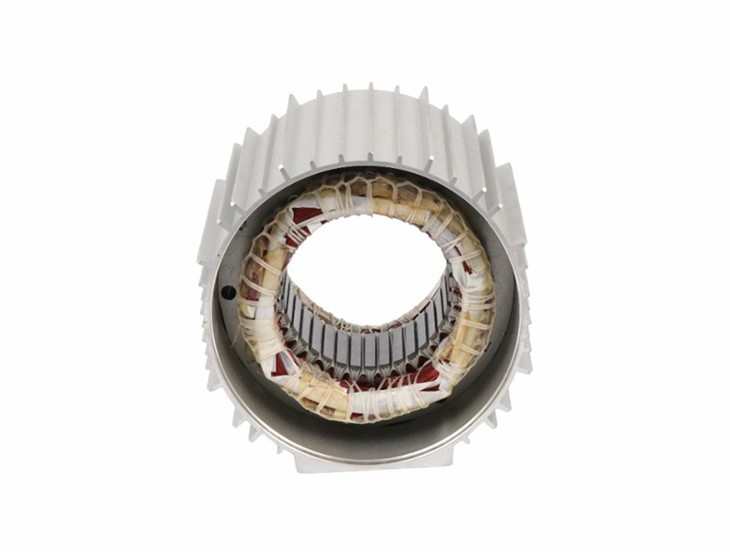

- Stress Analysis: Use computer-aided engineering (CAE) tools to analyze the stress distribution in the motor frame. This can help identify areas of high stress and allow you to make design modifications to improve the component's strength.
- Reinforcement: If necessary, add reinforcement features like ribs or gussets to the motor frame to increase its stiffness and strength.
- Vibration Damping: Incorporate materials or design features that can help dampen vibrations. This can improve the motor's reliability and reduce noise levels.
Cost Optimization
While performance and quality are important, cost is also a significant factor in motor frame component design.
- Value Engineering: Look for ways to reduce costs without sacrificing performance. This may involve using alternative materials, simplifying the design, or finding more efficient manufacturing processes.
- Volume Manufacturing: If you expect to produce a large quantity of motor frame components, consider the cost savings associated with volume manufacturing. This may involve using molds or dies to produce the components in bulk.
- Supply Chain Management: Work closely with your suppliers to ensure that you are getting the best prices for the materials and components you need. This may involve negotiating contracts, finding alternative suppliers, or optimizing your inventory management.
Quality Control
Ensuring the quality of the motor frame components is crucial for their performance and reliability.
- Inspection and Testing: Implement a comprehensive inspection and testing program to ensure that the components meet the required specifications. This may include visual inspections, dimensional measurements, and performance testing.
- Quality Assurance Systems: Establish a quality assurance system to ensure that the manufacturing process is consistent and reliable. This may involve using statistical process control (SPC) techniques to monitor and improve the quality of the components.
- Continuous Improvement: Continuously evaluate and improve the design and manufacturing process to ensure that the components are of the highest quality. This may involve collecting feedback from customers, analyzing production data, and making design changes as needed.
Conclusion
Optimizing motor frame component design is a complex process that requires careful consideration of many factors, including material selection, manufacturing, thermal management, structural integrity, cost, and quality control. By following the tips and tricks outlined in this blog, you can improve the performance, durability, and cost-effectiveness of your motor frame components.
If you're in the market for high-quality motor frame components, I'd love to have a chat with you. Whether you need Motor Frame Components for a small project or a large-scale production run, we've got you covered. Just reach out, and we can discuss your specific requirements and find the best solutions for your needs.
References
- Smith, J. (2020). Motor Design Handbook. Publisher Name.
- Jones, A. (2019). Thermal Management in Electric Motors. Journal of Electrical Engineering, 12(3), 45-56.
- Brown, C. (2018). Manufacturing Processes for Motor Components. Manufacturing Technology Review, 25(2), 78-89.