

How to optimize the design of a shaft?
Sep 07, 2026
As a shaft supplier, I've seen firsthand how crucial it is to optimize the design of a shaft. Whether you're working on a Servo Motor Shaft, a Gear Shaft, or any other type of shaft, getting the design right can make all the difference in terms of performance, durability, and cost. In this blog post, I'll share some tips and tricks on how to optimize the design of a shaft.
Understanding the Basics of Shaft Design
Before we dive into the optimization process, let's quickly go over some of the basic principles of shaft design. A shaft is a rotating machine element that is used to transmit power from one component to another. It typically consists of a cylindrical rod or tube with a series of features such as keyways, splines, and bearings.
The design of a shaft is influenced by several factors, including the type of load it will be subjected to, the speed at which it will rotate, the material it is made of, and the manufacturing process used to produce it. By taking these factors into account, you can design a shaft that is both strong and efficient.
Analyzing the Load Requirements
One of the first steps in optimizing the design of a shaft is to analyze the load requirements. This involves determining the type and magnitude of the loads that the shaft will be subjected to, as well as the direction in which they will act.
There are several types of loads that a shaft may be subjected to, including:
- Torsional loads: These are loads that cause the shaft to twist. They are typically generated by the transmission of power from one component to another.
- Bending loads: These are loads that cause the shaft to bend. They are typically generated by the weight of the shaft itself, as well as any attached components.
- Axial loads: These are loads that act parallel to the axis of the shaft. They are typically generated by the thrust of a rotating component, such as a propeller or a turbine.
Once you have determined the type and magnitude of the loads that the shaft will be subjected to, you can use this information to select the appropriate material and dimensions for the shaft. For example, if the shaft will be subjected to high torsional loads, you may need to use a material with a high shear strength, such as steel or titanium.
Selecting the Right Material
The material you choose for your shaft will have a significant impact on its performance and durability. When selecting a material, you need to consider several factors, including the load requirements, the operating environment, and the cost.
Some of the most common materials used for shafts include:
- Steel: Steel is a popular choice for shafts because it is strong, durable, and relatively inexpensive. It is available in a variety of grades and alloys, each with its own unique properties.
- Aluminum: Aluminum is a lightweight material that is often used in applications where weight is a concern. It is also corrosion-resistant, making it a good choice for use in harsh environments.
- Titanium: Titanium is a strong, lightweight material that is often used in high-performance applications. It is also corrosion-resistant and has a high strength-to-weight ratio.
When selecting a material for your shaft, it's important to choose one that is appropriate for the specific application. For example, if the shaft will be used in a high-temperature environment, you may need to use a material that can withstand the heat, such as stainless steel or titanium.
Optimizing the Dimensions
The dimensions of a shaft, such as its diameter and length, will also have a significant impact on its performance and durability. When optimizing the dimensions of a shaft, you need to consider several factors, including the load requirements, the speed at which it will rotate, and the manufacturing process used to produce it.
One of the most important dimensions to consider is the diameter of the shaft. The diameter of the shaft will determine its strength and stiffness, as well as its ability to transmit power. In general, a larger diameter shaft will be stronger and stiffer than a smaller diameter shaft, but it will also be heavier and more expensive.
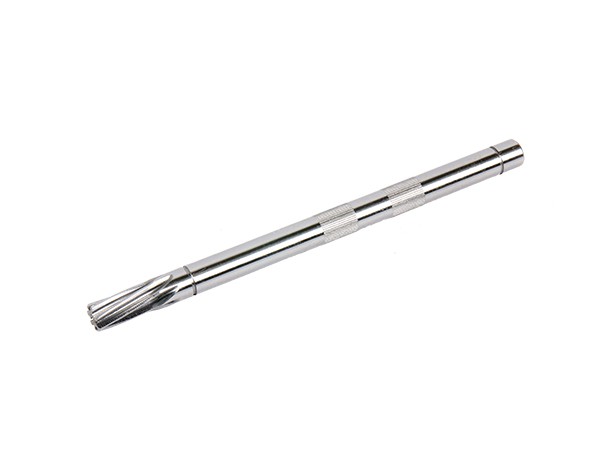
Another important dimension to consider is the length of the shaft. The length of the shaft will determine its critical speed, which is the speed at which it will begin to vibrate excessively. In general, a longer shaft will have a lower critical speed than a shorter shaft, so it's important to keep the length of the shaft as short as possible.
Choosing the Right Manufacturing Process
The manufacturing process you choose for your shaft will also have a significant impact on its performance and durability. There are several manufacturing processes available for producing shafts, including:
- Machining: Machining is a common manufacturing process that involves cutting, drilling, and turning a piece of metal to create a shaft. It is a precise and accurate process, but it can be time-consuming and expensive.
- Forging: Forging is a manufacturing process that involves shaping a piece of metal by applying pressure and heat. It is a strong and durable process, but it can be expensive and may require specialized equipment.
- Casting: Casting is a manufacturing process that involves pouring molten metal into a mold to create a shaft. It is a relatively inexpensive process, but it may not be as precise or accurate as machining or forging.
When choosing a manufacturing process for your shaft, it's important to consider several factors, including the complexity of the design, the quantity of shafts you need to produce, and the cost. For example, if you need to produce a large quantity of shafts with a simple design, casting may be the most cost-effective option.
Using Precision Shaft Sleeve
Precision shaft sleeves can play a vital role in optimizing the design of a shaft. These sleeves are designed to provide a precise fit and support for the shaft, reducing wear and tear and improving overall performance. They can also help to align the shaft properly, which is crucial for smooth operation.
When selecting a precision shaft sleeve, it's important to choose one that is made from a high-quality material and is designed to meet the specific requirements of your application. The sleeve should have the right dimensions and tolerances to ensure a perfect fit with the shaft.
Testing and Validation
Once you have designed and manufactured your shaft, it's important to test and validate its performance. This involves subjecting the shaft to a series of tests to ensure that it meets the design requirements and performs as expected.
Some of the tests that may be performed on a shaft include:
- Torsional testing: This involves applying a torque to the shaft to measure its torsional strength and stiffness.
- Bending testing: This involves applying a bending load to the shaft to measure its bending strength and stiffness.
- Fatigue testing: This involves subjecting the shaft to a series of cyclic loads to measure its fatigue life.
By testing and validating your shaft, you can identify any potential issues or areas for improvement and make the necessary adjustments to optimize its design.
Conclusion
Optimizing the design of a shaft is a complex process that requires careful consideration of several factors, including the load requirements, the material, the dimensions, the manufacturing process, and the use of precision components like shaft sleeves. By following the tips and tricks outlined in this blog post, you can design a shaft that is both strong and efficient, and that meets the specific requirements of your application.
If you're in the market for high-quality shafts or need help with shaft design and optimization, don't hesitate to reach out. We're here to assist you in finding the best solutions for your needs. Contact us today to start a conversation about your shaft requirements and explore how we can help you achieve optimal performance.
References
- Shigley, J. E., Mischke, C. R., & Budynas, R. G. (2004). Mechanical Engineering Design. McGraw-Hill.
- Norton, R. L. (2006). Machine Design: An Integrated Approach. Prentice Hall.