

What is the backlash of a helical gear?
Sep 07, 2026
Backlash is a crucial concept in the realm of mechanical engineering, especially when it comes to helical gears. As a helical gear supplier, I've witnessed firsthand the importance of understanding backlash and its implications for the performance and longevity of gear systems. In this blog post, I'll delve into what backlash is, its causes, effects, and how it can be managed in helical gears.
What is Backlash?
Backlash, in the context of gears, refers to the amount of clearance or play between the mating teeth of two gears. It is the angular or linear movement that can occur between the driving and driven gears when the direction of rotation is reversed or when there is a change in the load. Think of it as the "slack" in the gear system that allows the teeth to move slightly without immediately engaging with each other.
For helical gears, backlash is measured in terms of the circumferential distance between the non - working flanks of the mating teeth. This measurement is typically expressed in millimeters or inches and can vary depending on the design and application of the gear system.
Causes of Backlash in Helical Gears
There are several factors that can contribute to the presence of backlash in helical gears:
Manufacturing Tolerances
During the manufacturing process, it is impossible to achieve perfect dimensions for every gear tooth. Small variations in tooth thickness, pitch, and profile can lead to differences in the meshing of the gears. These manufacturing tolerances are inherent in the production of gears and can result in some degree of backlash.
Wear and Tear
Over time, the teeth of helical gears experience wear due to the constant meshing and contact forces. This wear can cause the teeth to become thinner, reducing the contact area between the mating teeth. As a result, the amount of backlash in the gear system increases. Factors such as lubrication, load, and operating speed can all affect the rate of wear and the extent of backlash development.

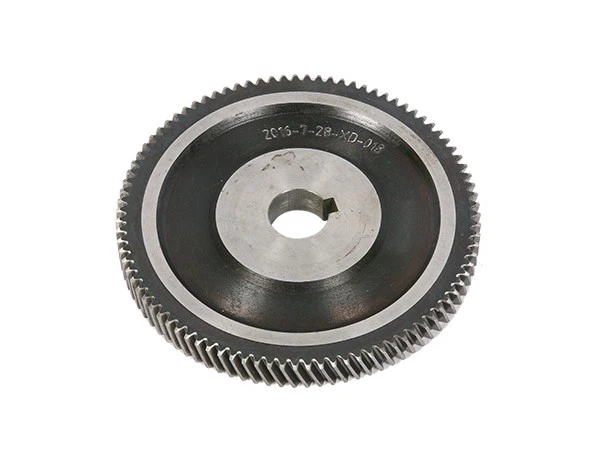
Thermal Expansion
Helical gears are often used in applications where the temperature can vary significantly. When the temperature rises, the gear material expands, which can cause changes in the dimensions of the gear teeth. This thermal expansion can lead to an increase in backlash, especially if the gear system is not designed to accommodate these changes.
Effects of Backlash in Helical Gears
While a certain amount of backlash is necessary for smooth operation, excessive backlash can have several negative effects on the performance of the gear system:
Precision and Accuracy
Backlash can reduce the precision and accuracy of a gear system, especially in applications where precise positioning or motion control is required. When the direction of rotation is reversed, the backlash causes a delay in the engagement of the teeth, resulting in a loss of motion control and potentially inaccurate positioning.
Noise and Vibration
Excessive backlash can lead to increased noise and vibration in the gear system. As the gear teeth move within the backlash clearance, they can produce impact forces and rattling sounds. These vibrations can not only be a nuisance but can also cause damage to the gears and other components of the system over time.
Load Distribution
Backlash can affect the load distribution between the gear teeth. When there is excessive backlash, the load may be concentrated on a smaller number of teeth, leading to increased stress and wear on those teeth. This uneven load distribution can reduce the lifespan of the gears and increase the risk of tooth failure.
Managing Backlash in Helical Gears
As a helical gear supplier, I understand the importance of managing backlash to ensure the optimal performance of gear systems. Here are some strategies that can be used to reduce or control backlash:
Precision Manufacturing
By using advanced manufacturing techniques and high - quality materials, it is possible to minimize manufacturing tolerances and produce gears with more accurate dimensions. This can help to reduce the initial amount of backlash in the gear system.
Adjustment Mechanisms
Some gear systems are designed with adjustment mechanisms that allow the backlash to be reduced or increased as needed. These mechanisms can include shims, adjustable bearings, or eccentric bushings, which can be used to change the position of the gears relative to each other.
Lubrication
Proper lubrication is essential for reducing wear and friction in helical gears. By using high - quality lubricants and maintaining the correct lubrication level, it is possible to slow down the rate of wear and prevent the increase of backlash over time.
Thermal Management
To minimize the effects of thermal expansion, it is important to design gear systems that can accommodate temperature changes. This can include using materials with low coefficients of thermal expansion, providing adequate ventilation, or incorporating thermal insulation.
Applications of Helical Gears and Backlash Considerations
Helical gears are widely used in a variety of industries, including automotive, aerospace, and industrial machinery. Each application has its own unique requirements and considerations when it comes to backlash.
Automotive Industry
In automotive transmissions, helical gears are used to transfer power from the engine to the wheels. Backlash in automotive gears can affect the smoothness of gear shifting and the overall driving experience. Therefore, automotive manufacturers strive to minimize backlash to ensure precise and quiet operation.
Aerospace Industry
Aerospace applications demand the highest levels of precision and reliability. Helical gears used in aircraft engines and control systems must have very low backlash to ensure accurate control and prevent any potential failures. The aerospace industry invests heavily in research and development to improve gear manufacturing techniques and reduce backlash.
Industrial Machinery
In industrial machinery, helical gears are used in a wide range of applications, from conveyor systems to machine tools. The acceptable level of backlash in industrial applications depends on the specific requirements of the machinery. For example, in high - speed applications, low backlash is often required to prevent excessive vibration and noise.
Conclusion and Call to Action
Understanding the backlash of helical gears is essential for ensuring the optimal performance and reliability of gear systems. As a helical gear supplier, I am committed to providing high - quality gears that meet the specific requirements of my customers. Whether you need Helical Gear, Internal Gear, or Precision Spur Gear, I have the expertise and resources to provide you with the right gear solutions.
If you are in the market for helical gears or have any questions about backlash, I would be more than happy to discuss your needs and provide you with professional advice. Contact me today to start a conversation about your gear requirements and let's work together to find the best solution for your application.
References
- Dudley, D. W. (1984). Gear Handbook. McGraw - Hill.
- Townsend, D. P. (1992). Dudley's Gear Handbook. Marcel Dekker.
- Buckingham, E. (1988). Analytical Mechanics of Gears. Dover Publications.