

What are the effects of aging on motor components?
Jun 16, 2026
Hey there! As a motor components supplier, I've seen firsthand how aging can really throw a wrench into things. In this blog, I'm gonna break down the effects of aging on motor components and why it matters.
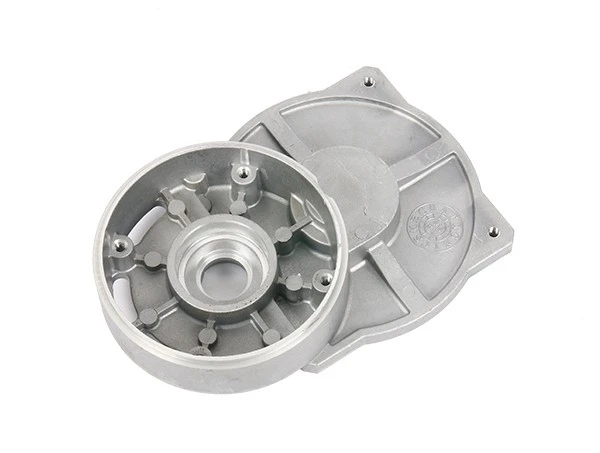
Let's start with the basics. Motor components, like Motor Stator Components, Motor End Cover, and Motor Coil Winding Components, play a crucial role in the operation of motors. They're like the gears in a well - oiled machine, and when they start to age, it can cause all sorts of problems.
Physical Degradation
One of the most obvious effects of aging on motor components is physical degradation. Over time, parts can wear down due to friction, heat, and mechanical stress. For example, the bearings in a motor can start to lose their smoothness. As they age, the metal surfaces can become pitted and rough. This not only increases the friction but also causes the motor to vibrate more. Excessive vibration can then lead to other issues, such as loose connections and damage to nearby components.
The motor housing, including the Motor End Cover, can also be affected by aging. It may start to crack or warp due to exposure to high temperatures and environmental factors. A cracked housing can allow dust, moisture, and other contaminants to enter the motor, which can further damage the internal components.
The insulation on Motor Coil Winding Components is another area that's prone to physical degradation. As the insulation ages, it can become brittle and start to crack. This exposes the conductive wires, increasing the risk of short - circuits. A short - circuit can cause a sudden loss of power, overheating, and even permanent damage to the motor.
Electrical Changes
Aging also brings about significant electrical changes in motor components. The resistance of the windings can increase over time. This is mainly due to the oxidation of the conductive materials and the breakdown of the insulation. When the resistance goes up, the motor has to draw more current to maintain the same level of performance. This can lead to higher energy consumption and increased heat generation.
Higher heat levels can, in turn, accelerate the aging process of other components. For example, the increased heat can cause the lubricants in the bearings to break down more quickly, leading to even more friction and wear.
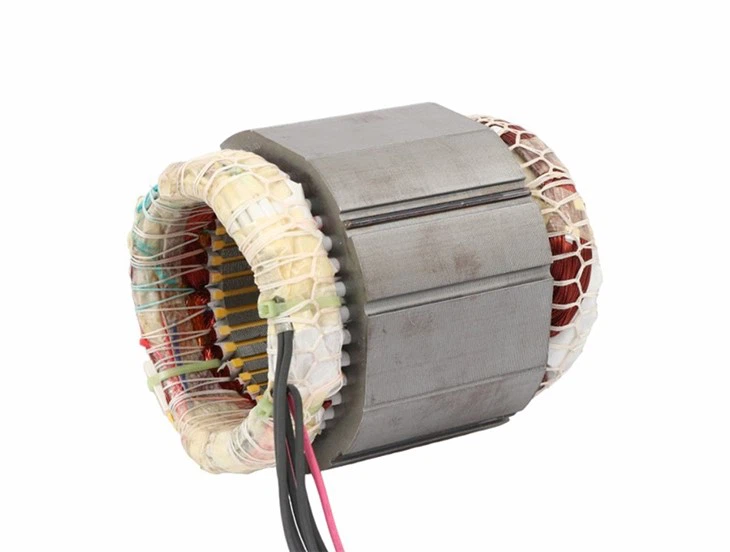
The magnetic properties of the Motor Stator Components can also change with age. The magnetic core can lose its efficiency, which affects the motor's ability to convert electrical energy into mechanical energy. This results in a decrease in motor performance, such as reduced torque and speed.
Chemical Reactions
Chemical reactions are another factor that contributes to the aging of motor components. Exposure to oxygen, moisture, and other chemicals in the environment can cause corrosion. Corrosion can eat away at the metal parts of the motor, weakening their structure. For instance, the terminals and connectors can corrode, leading to poor electrical connections. This can cause voltage drops, which can affect the motor's operation and lead to intermittent failures.
Some motor components may also be exposed to chemicals during the manufacturing process or in their operating environment. These chemicals can react with the materials of the components, causing them to degrade. For example, certain solvents or cleaning agents can damage the insulation on the windings.
Impact on Performance
The combined effects of physical degradation, electrical changes, and chemical reactions have a major impact on the performance of the motor. As the components age, the motor becomes less efficient. It may take more energy to run, which not only costs more but also puts more strain on the electrical system.
The reliability of the motor also decreases. It's more likely to break down, leading to unplanned downtime. This can be a huge problem for industries that rely on motors for their operations, such as manufacturing, transportation, and energy production.
In addition, the aging of motor components can affect the quality of the output. For example, in a motor that drives a conveyor belt, a decrease in performance can lead to inconsistent movement, which can cause problems in the production line.
Maintenance and Replacement
So, what can we do about the effects of aging on motor components? Regular maintenance is key. This includes things like cleaning the motor, checking the lubrication levels, and tightening loose connections. By catching problems early, we can prevent them from becoming more serious.
When it comes to components that are beyond repair, replacement is often the best option. As a motor components supplier, I can offer high - quality replacement parts, such as Motor Stator Components, Motor End Cover, and Motor Coil Winding Components. Having access to reliable replacement parts can significantly extend the lifespan of the motor and keep it running smoothly.
Why Choose Us?
As a motor components supplier, we understand the importance of quality and reliability. Our components are made from the best materials and undergo strict quality control measures. We also offer excellent customer service, and our team is always ready to help you find the right parts for your needs.
If you're experiencing issues with aging motor components or are looking to stock up on replacement parts, don't hesitate to get in touch. We're here to assist you with all your motor component needs. Whether you're a small - scale business or a large industrial operation, we can provide the solutions you need to keep your motors running at their best.
References
- "Motor Handbook" by Arnold T. Asquith
- "Electrical Machines and Drives" by Stephen J. Chapman
- "Maintenance of Electric Motors" by Roger L. McCandless