

What are the safety considerations when using internal gears?
Aug 11, 2026
When it comes to the industrial world, internal gears play a pivotal role in various mechanical systems. As a trusted internal gear supplier, I understand the importance of safety in the use of these components. This blog post aims to delve into the key safety considerations that users should keep in mind when utilizing internal gears.
1. Installation Safety
Proper installation is the first step towards ensuring the safe and efficient operation of internal gears. Incorrect installation can lead to premature wear, increased noise, and even catastrophic failure.
- Alignment: One of the most critical aspects of installation is the alignment of the internal gear with its mating components. Misalignment can cause uneven loading on the gear teeth, leading to excessive wear and potential breakage. It is essential to use precision alignment tools to ensure that the gear is perfectly aligned with the shaft and other mating parts. For example, laser alignment systems can provide accurate measurements and help achieve the required alignment tolerances.
- Mounting: The mounting of the internal gear should be secure and stable. Loose mounting can result in vibrations, which can not only damage the gear but also pose a safety risk to the surrounding equipment and personnel. Make sure to use the appropriate mounting hardware and follow the manufacturer's instructions for torque specifications. Additionally, consider using shock-absorbing mounts to reduce the impact of vibrations.
2. Lubrication and Maintenance
Lubrication is vital for the smooth operation and longevity of internal gears. It reduces friction, dissipates heat, and prevents wear and corrosion.
- Lubricant Selection: Choosing the right lubricant is crucial. The lubricant should have the appropriate viscosity, additives, and performance characteristics for the specific application. For high-speed applications, a lubricant with a lower viscosity may be required to reduce friction and heat generation. On the other hand, for heavy-load applications, a lubricant with higher viscosity and extreme pressure additives may be necessary to provide adequate protection. Consult the gear manufacturer or a lubrication specialist to select the most suitable lubricant.
- Regular Maintenance: Regular maintenance is essential to ensure that the internal gears are in good working condition. This includes checking the lubricant level and quality, inspecting the gear teeth for wear and damage, and monitoring the operating temperature. Any signs of abnormal wear, such as pitting, scoring, or chipping, should be addressed immediately to prevent further damage. Additionally, follow the recommended maintenance schedule provided by the manufacturer to ensure optimal performance and safety.
3. Operating Conditions
The operating conditions of internal gears can significantly impact their safety and performance. It is important to consider these factors when using internal gears.
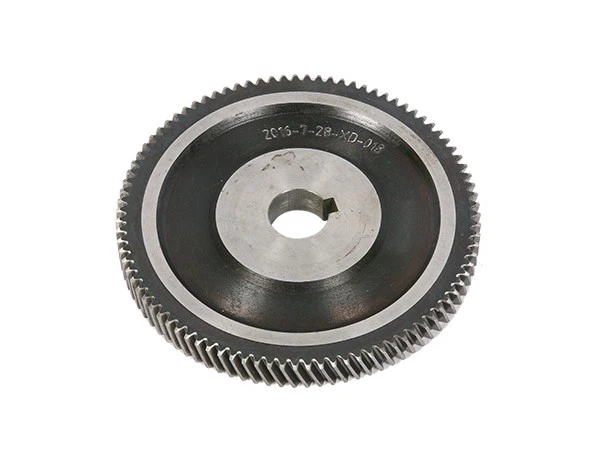

- Load Capacity: Internal gears are designed to handle specific load capacities. Exceeding the recommended load capacity can cause the gear teeth to break or deform, leading to failure. Before using the internal gears, make sure to determine the actual load requirements of the application and select the appropriate gear size and material. Consider factors such as the type of load (e.g., static, dynamic, shock), the frequency of loading, and the operating environment.
- Speed and Temperature: The speed and temperature at which the internal gears operate can also affect their performance and safety. High speeds can generate excessive heat, which can cause the lubricant to break down and the gear teeth to wear more rapidly. Similarly, extreme temperatures can affect the material properties of the gears and reduce their strength. It is important to operate the internal gears within the recommended speed and temperature ranges. If necessary, use cooling systems or heat shields to maintain the appropriate operating conditions.
4. Safety Guards and Enclosures
To prevent accidental contact with the internal gears and reduce the risk of injury, it is essential to use safety guards and enclosures.
- Design and Installation: The safety guards and enclosures should be designed to provide adequate protection while allowing for easy access for maintenance and inspection. They should be made of durable materials and securely attached to the equipment. Additionally, the guards should be designed to prevent the entry of foreign objects, such as tools or debris, which can cause damage to the gears or pose a safety hazard.
- Warning Signs: In addition to safety guards and enclosures, it is important to use warning signs to alert personnel of the potential hazards associated with the internal gears. The warning signs should be clearly visible and indicate the appropriate safety precautions, such as wearing protective equipment and avoiding contact with the moving parts.
5. Training and Education
Proper training and education are essential for the safe use of internal gears. Operators and maintenance personnel should be familiar with the correct installation, operation, and maintenance procedures for the internal gears.
- Training Programs: Provide comprehensive training programs for operators and maintenance personnel. The training programs should cover topics such as gear installation, lubrication, maintenance, and safety procedures. Use a combination of classroom instruction, hands-on training, and online resources to ensure that the training is effective and engaging.
- Documentation and Manuals: Provide detailed documentation and manuals for the internal gears. The documentation should include installation instructions, maintenance schedules, lubrication requirements, and safety information. Make sure that the documentation is easily accessible and up-to-date.
As an internal gear supplier, we offer a wide range of high-quality internal gears, including Precision Spur Gear and Helical Gear. Our gears are manufactured using advanced technology and high-quality materials to ensure optimal performance and safety. If you are interested in purchasing internal gears or have any questions about their safety and application, please feel free to contact us for further discussion. We are committed to providing you with the best solutions for your gear needs.
References
- Budynas, R. G., & Nisbett, J. K. (2011). Shigley's Mechanical Engineering Design. McGraw-Hill Education.
- Dudley, D. W. (1994). Handbook of Practical Gear Design and Manufacture. CRC Press.
- Townsend, D. P. (2005). Dudley's Gear Handbook: Design, Manufacturing, and Applications. CRC Press.