

What is the function of a digital camera's hardware components?
Jul 29, 2026
Yo! As a hardware supplier, I've seen the ins and outs of digital camera hardware components. Let's dive into what these parts actually do and how they contribute to the overall performance of a digital camera.
Image Sensor
The image sensor is like the heart of a digital camera. It's responsible for capturing light and converting it into an electrical signal, which is then turned into a digital image. There are two main types of image sensors: CCD (Charge-Coupled Device) and CMOS (Complementary Metal-Oxide-Semiconductor).
CCD sensors were the first to be widely used in digital cameras. They offer high image quality, low noise, and excellent color accuracy. However, they're also more expensive to produce and consume more power. On the other hand, CMOS sensors are more common these days. They're cheaper, more power-efficient, and can process images faster. While they used to have a reputation for higher noise levels, modern CMOS sensors have made significant improvements in this area.
The size of the image sensor also plays a crucial role in image quality. Larger sensors can capture more light, resulting in better low-light performance and shallower depth of field. That's why professional photographers often prefer cameras with full-frame or APS-C sensors.
Lens
The lens is another essential component of a digital camera. It focuses light onto the image sensor, allowing you to capture sharp and clear images. There are many different types of lenses available, each with its own unique characteristics and uses.
Prime lenses have a fixed focal length, which means they can't zoom in or out. However, they usually offer better image quality and wider apertures than zoom lenses. This makes them ideal for portrait, landscape, and low-light photography.
Zoom lenses, on the other hand, have a variable focal length, allowing you to zoom in and out to get different perspectives. They're more versatile than prime lenses and are great for travel, sports, and wildlife photography.
The aperture of a lens is also important. It controls the amount of light that enters the camera and affects the depth of field. A wider aperture (smaller f-number) allows more light in and creates a shallower depth of field, which blurs the background and makes the subject stand out. A narrower aperture (larger f-number) lets in less light but increases the depth of field, keeping more of the image in focus.

Shutter
The shutter is a mechanical or electronic device that controls the amount of time the image sensor is exposed to light. When you press the shutter button, the shutter opens for a specific duration, allowing light to reach the sensor and capture the image.
There are two main types of shutters: mechanical shutters and electronic shutters. Mechanical shutters use physical curtains to open and close, while electronic shutters use electronic signals to control the exposure.
Mechanical shutters are more common in DSLR (Digital Single-Lens Reflex) cameras. They offer precise control over the exposure time and can handle high-speed shooting. However, they can also produce a loud noise and may cause vibration, which can affect image quality.
Electronic shutters are becoming more popular in mirrorless cameras. They're silent, have no moving parts, and can offer extremely fast shutter speeds. However, they may have some limitations, such as rolling shutter distortion, which can cause objects to appear skewed or distorted in fast-moving scenes.
Memory Card
The memory card is where the camera stores the captured images and videos. It's like the camera's hard drive. There are several types of memory cards available, including SD (Secure Digital), CF (CompactFlash), and XQD (Extreme Digital).
SD cards are the most common type of memory card used in digital cameras. They're small, affordable, and widely available. There are different classes of SD cards, which indicate their speed and performance. Higher-class cards are faster and can handle continuous shooting and high-resolution video recording better.
CF cards are larger and more expensive than SD cards, but they offer higher data transfer rates and are more durable. They're often used in professional cameras for their reliability and performance.
XQD cards are the latest type of memory card. They're extremely fast and can handle high-speed data transfer, making them ideal for professional photographers who need to capture large amounts of data quickly.
Battery
The battery is what powers the camera. Without a good battery, your camera won't work. There are different types of batteries available, including lithium-ion batteries, nickel-metal hydride (NiMH) batteries, and alkaline batteries.
Lithium-ion batteries are the most common type of battery used in digital cameras. They're lightweight, have a high energy density, and can be recharged quickly. They also have a long lifespan and can hold their charge for a long time when not in use.
NiMH batteries are a more environmentally friendly option. They can be recharged multiple times and have a relatively high energy density. However, they tend to lose their charge more quickly than lithium-ion batteries when not in use.
Alkaline batteries are the cheapest option, but they're also the least efficient. They have a low energy density and need to be replaced frequently. They're not recommended for long-term use in digital cameras.
Other Components
In addition to the main components mentioned above, there are also other parts that play important roles in a digital camera. For example, the viewfinder allows you to see what you're shooting, and the LCD screen displays the captured images and settings. The autofocus system helps you get sharp and clear images, and the image stabilization system reduces camera shake and blurring.
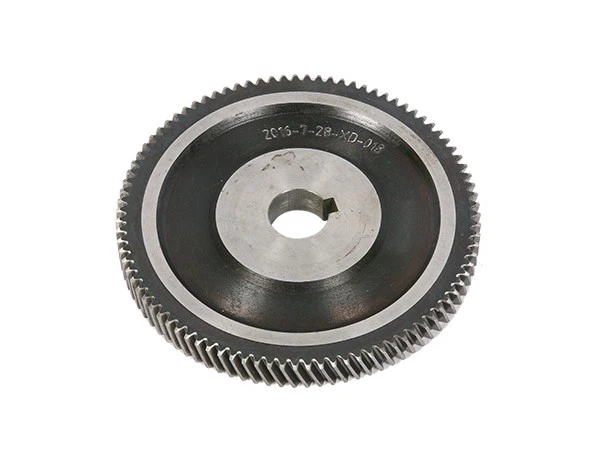
Now, let's talk about some of the hardware components that we supply. We offer a wide range of high-quality parts, including Spline Shaft, Helical Gear, and Internal Gear. These components are used in various parts of the camera mechanism, such as the lens focusing system and the shutter drive.
If you're in the market for digital camera hardware components, we'd love to hear from you. Whether you're a camera manufacturer looking for reliable parts or a hobbyist in need of replacement components, we can provide you with the products you need. Just get in touch with us for a chat about your requirements, and we'll work with you to find the best solutions.
References
- "Digital Photography: Understanding the Basics" by Ben Long.
- "The Camera Handbook" by Tom Ang.
- Manufacturer specifications and documentation for various digital cameras.