

What is the temperature rise of precision spur gears during operation?
Jun 06, 2025
Hey there! As a precision spur gear supplier, I often get asked about the temperature rise of precision spur gears during operation. It's a crucial topic, especially for those who rely on these gears in their machinery. So, let's dive right in and explore what causes this temperature rise and why it matters.
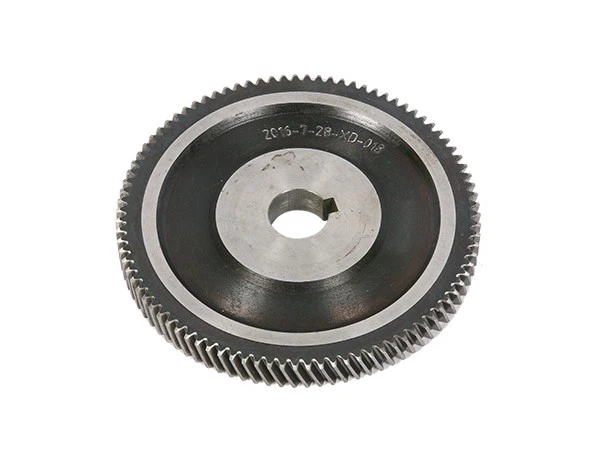
First off, what are precision spur gears? Well, they're those toothed wheels that mesh together to transmit power and motion in a straight - line, parallel - axis arrangement. They're used in a wide range of applications, from small appliances to heavy - duty industrial machinery. You can learn more about them here: Precision Spur Gear.
Now, when these gears start working, they don't just spin quietly and smoothly. There's a lot going on beneath the surface, and one of the side - effects is the rise in temperature. There are several factors that contribute to this temperature increase.
Friction
Friction is the main culprit behind the temperature rise in precision spur gears. When the teeth of two gears come into contact, there's a certain amount of rubbing and sliding. This frictional force generates heat. The amount of friction depends on a few things. The surface finish of the gear teeth plays a big role. If the teeth aren't properly machined or have a rough surface, the friction will be higher. Also, the load on the gears matters. The more weight or force the gears are carrying, the more pressure there is between the teeth, and thus, more friction and heat.
Lubrication
Lubrication is like a magic potion for gears. It helps reduce friction and, in turn, the temperature rise. A good lubricant forms a thin film between the gear teeth, which separates them and allows for smoother movement. However, if the lubrication is inadequate, the gears will rub against each other more directly, generating more heat. The type of lubricant also matters. Some lubricants are better at withstanding high temperatures and providing long - lasting protection. And over time, the lubricant can break down or get contaminated, losing its effectiveness. So, regular checks and changes of the lubricant are essential to keep the temperature in check.
Rotational Speed
The speed at which the gears rotate is another factor. The faster the gears spin, the more frequently the teeth come into contact, and the more heat is generated. At high speeds, the kinetic energy of the gears is much higher, and a significant portion of this energy is converted into heat due to friction. For example, in high - speed applications like in some electric motors, the temperature rise can be quite substantial if not managed properly.
Material Properties
The materials used to make the gears also affect the temperature rise. Different materials have different thermal conductivities. Metals like steel, which are commonly used for precision spur gears, have relatively good thermal conductivity. This means they can transfer heat away from the contact points more easily. However, if the gears are made of a material with poor thermal conductivity, the heat will build up more quickly at the contact areas, leading to a higher temperature rise.
Impact on Gear Performance
So, why does the temperature rise matter? Well, excessive heat can have a negative impact on the performance and lifespan of the gears. High temperatures can cause the lubricant to break down faster, leading to increased friction and wear. The material of the gears can also be affected. Prolonged exposure to high temperatures can cause the gears to expand, which can change the mesh between the teeth. This can lead to noisy operation, reduced efficiency, and even premature failure of the gears.

Monitoring and Control
To ensure that the temperature rise of precision spur gears is within acceptable limits, monitoring is crucial. There are various methods to measure the temperature of the gears. One common way is to use thermocouples or infrared sensors. These devices can provide real - time temperature readings, allowing operators to take action if the temperature starts to get too high.
If the temperature is rising too much, there are several things that can be done. As mentioned earlier, checking and changing the lubricant is a good first step. Adjusting the load on the gears or reducing the rotational speed can also help. In some cases, adding cooling systems, such as fans or coolant jackets, can be an effective way to dissipate the heat.
Comparison with Other Gear Types
It's interesting to compare the temperature rise of precision spur gears with other types of gears, like Helical Gear and Internal Gear. Helical gears, for example, have a more gradual tooth engagement compared to spur gears. This results in a more even distribution of the load and less impact during tooth contact. As a result, the temperature rise in helical gears can be lower in some applications. Internal gears, on the other hand, have a different geometry, and their temperature rise characteristics can vary depending on factors such as the size of the internal cavity and the lubrication flow within it.
Importance of Quality Gears
As a precision spur gear supplier, I can't stress enough the importance of using high - quality gears. Well - made gears are designed to minimize the temperature rise. They have better surface finishes, are made of high - quality materials, and are precision - machined to ensure proper meshing. When you invest in quality gears, you're not only getting a product that will perform better but also one that will last longer and require less maintenance.
Conclusion
In conclusion, the temperature rise of precision spur gears during operation is a complex phenomenon influenced by factors like friction, lubrication, rotational speed, and material properties. Understanding these factors is crucial for ensuring the proper performance and longevity of the gears. If you're facing issues with high temperature rises in your gears or are looking for high - quality precision spur gears, don't hesitate to reach out. We're here to help you find the right solutions for your specific applications. Whether you need advice on lubrication, gear selection, or have any other questions, we're just a message away. Contact us to start a discussion about your precision spur gear needs and let's work together to keep your machinery running smoothly.
References
- Mott, R. L. (2008). Machine Elements in Mechanical Design. Pearson Prentice Hall.
- Budynas, R. G., & Nisbett, J. K. (2011). Shigley's Mechanical Engineering Design. McGraw - Hill.