

What is the torque specification for motor end cover bolts?
Nov 18, 2025
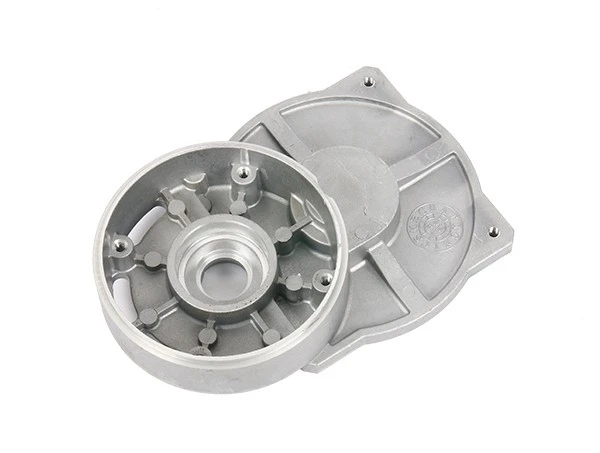
Torque specification for motor end cover bolts is a critical aspect that directly impacts the performance, safety, and longevity of electric motors. As a motor end cover supplier, I have witnessed firsthand the significance of adhering to the correct torque values. In this blog post, I will delve into the details of what torque specification for motor end cover bolts entails, why it matters, and how to determine the appropriate values.
Understanding Torque and Its Importance
Torque is a measure of the rotational force applied to an object. In the context of motor end cover bolts, it refers to the amount of force required to tighten the bolts to a specific level. When bolts are tightened with the correct torque, they create a secure connection between the motor end cover and the motor frame. This connection is essential for several reasons.
Firstly, proper torque ensures that the end cover is firmly attached to the motor frame, preventing any unwanted movement or vibration. Excessive vibration can lead to premature wear and tear of the motor components, including the end cover, bearings, and stator windings. It can also cause noise and reduce the overall efficiency of the motor.
Secondly, the correct torque helps to maintain the integrity of the motor's enclosure. The end cover plays a crucial role in protecting the internal components of the motor from dust, dirt, moisture, and other environmental contaminants. If the bolts are not tightened to the appropriate torque, there may be gaps between the end cover and the frame, allowing these contaminants to enter the motor and cause damage.
Finally, proper torque is essential for safety. Loose bolts can pose a significant safety hazard, as they may come loose during operation, leading to the end cover detaching from the motor. This can expose the live electrical components of the motor, increasing the risk of electric shock and other accidents.
Factors Affecting Torque Specification
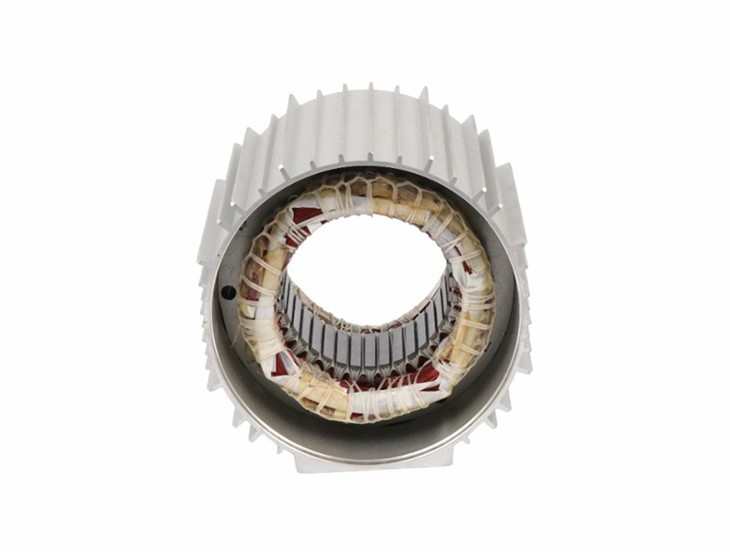
Several factors influence the torque specification for motor end cover bolts. These factors include the size and type of the bolts, the material of the end cover and the motor frame, the operating conditions of the motor, and the manufacturer's recommendations.
- Bolt Size and Type: The size and type of the bolts used to secure the motor end cover play a significant role in determining the torque specification. Larger bolts generally require higher torque values to achieve the same level of clamping force as smaller bolts. Additionally, different types of bolts, such as hex head bolts, socket head cap screws, and machine screws, may have different torque requirements.
- Material of the End Cover and Motor Frame: The material of the end cover and the motor frame also affects the torque specification. Different materials have different mechanical properties, such as hardness, strength, and elasticity. For example, aluminum end covers may require lower torque values than steel end covers to prevent over-tightening and damage to the material.
- Operating Conditions: The operating conditions of the motor, such as temperature, vibration, and load, can also impact the torque specification. Motors that operate in high-temperature environments may require higher torque values to compensate for the thermal expansion of the materials. Similarly, motors that are subject to high levels of vibration or shock may require additional torque to ensure a secure connection.
- Manufacturer's Recommendations: The manufacturer's recommendations are the most reliable source of information when it comes to determining the torque specification for motor end cover bolts. Motor manufacturers typically provide detailed specifications and guidelines for tightening the bolts to ensure optimal performance and safety. It is essential to follow these recommendations carefully to avoid any potential issues.
Determining the Appropriate Torque Specification
Determining the appropriate torque specification for motor end cover bolts can be a complex process. However, there are several methods and tools available to help ensure that the bolts are tightened to the correct torque.
- Refer to the Manufacturer's Documentation: As mentioned earlier, the manufacturer's documentation is the best source of information for determining the torque specification. Motor manufacturers typically provide detailed specifications and guidelines in the motor's user manual or technical data sheet. These documents may include information on the bolt size, type, torque value, and tightening sequence.
- Use a Torque Wrench: A torque wrench is a specialized tool that allows you to apply a specific amount of torque to a bolt. Torque wrenches come in various types, including click-type, beam-type, and digital torque wrenches. When using a torque wrench, it is essential to follow the manufacturer's instructions carefully to ensure accurate and consistent results.
- Consider the Bolt Material and Coating: The material and coating of the bolts can also affect the torque specification. For example, bolts with a lubricated or plated surface may require lower torque values than uncoated bolts to achieve the same level of clamping force. It is important to take these factors into account when determining the appropriate torque value.
- Perform a Torque Test: In some cases, it may be necessary to perform a torque test to determine the appropriate torque specification. This involves tightening the bolts to a specific torque value and then measuring the clamping force using a torque transducer or other measuring device. The results of the torque test can be used to adjust the torque specification as needed.
Importance of Proper Torque Application
Proper torque application is crucial for ensuring the performance, safety, and longevity of electric motors. When bolts are tightened to the correct torque, they create a secure connection between the motor end cover and the motor frame, preventing any unwanted movement or vibration. This helps to reduce wear and tear on the motor components, improve efficiency, and extend the lifespan of the motor.
In addition to the performance benefits, proper torque application is also essential for safety. Loose bolts can pose a significant safety hazard, as they may come loose during operation, leading to the end cover detaching from the motor. This can expose the live electrical components of the motor, increasing the risk of electric shock and other accidents.
As a motor end cover supplier, I understand the importance of providing high-quality products and ensuring that they are installed correctly. That's why I offer a range of motor end covers that are designed to meet the specific needs and requirements of our customers. Our end covers are made from high-quality materials and are manufactured to strict quality standards to ensure optimal performance and reliability.
If you are in the market for motor end covers or have any questions about torque specification for motor end cover bolts, please do not hesitate to contact us. We have a team of experienced professionals who are dedicated to providing you with the best possible solutions and support. You can visit our website to learn more about our Motor Frame Components, Motor End Cover, and Motor Stator Components. We look forward to hearing from you and working with you to meet your motor component needs.
References
- "Electric Motor Handbook" by Arnold Tustin
- "Mechanical Engineering Design" by Joseph Edward Shigley
- "Torque Specification Guidelines for Industrial Bolting" by the American Society of Mechanical Engineers (ASME)