

Can helical gears be used in wet environments?
Jun 05, 2025
Hey there! As a helical gear supplier, I often get asked a bunch of questions about these nifty gears. One question that pops up quite a bit is, "Can helical gears be used in wet environments?" Well, let's dive right into it and find out.

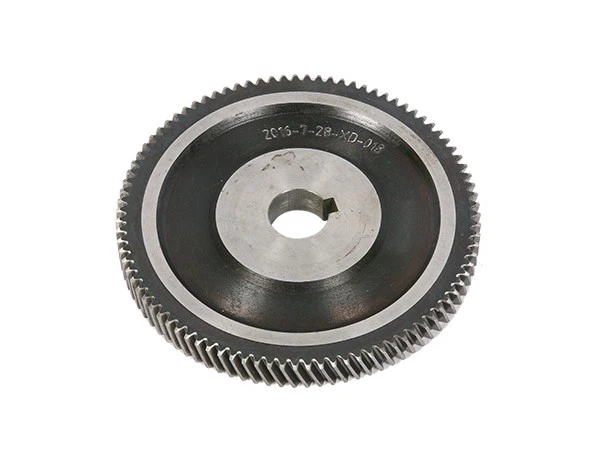
First off, let's talk a bit about what helical gears are. Helical gears are pretty awesome. They have teeth that are cut at an angle to the face of the gear, unlike spur gears that have straight teeth. This angled design makes them run more smoothly and quietly compared to spur gears. You can check out more about them here: Helical Gear.
Now, back to the main question - wet environments. When we say wet environments, we're talking about places where there's a lot of moisture, like near water treatment plants, in food processing facilities where there's a lot of cleaning with water, or even in marine applications.
Advantages of Using Helical Gears in Wet Environments
There are actually some good reasons why helical gears can work well in wet conditions.
1. Smooth Operation
The angled teeth of helical gears allow for a gradual engagement and disengagement. This means that the load is distributed more evenly across the teeth. In a wet environment, where there might be some debris or contaminants in the water, this smooth operation can help prevent sudden jams or wear. For example, in a water - pumping system, the smooth rotation of helical gears can keep the water flowing steadily without any hiccups.
2. High Load - Carrying Capacity
Helical gears can handle a pretty hefty load. In wet environments, especially in industrial settings, there might be a need to move heavy equipment or large volumes of water. The high load - carrying capacity of helical gears makes them suitable for such applications. For instance, in a sewage treatment plant, the gears need to drive large pumps that move tons of wastewater. Helical gears can take on this challenge with ease.
Challenges of Using Helical Gears in Wet Environments
But it's not all sunshine and rainbows. There are also some challenges that come with using helical gears in wet conditions.
1. Corrosion
Water is a major culprit when it comes to corrosion. If the helical gears are made of materials that are not corrosion - resistant, they can start to rust and deteriorate over time. Rust can weaken the gears, reduce their efficiency, and eventually lead to failure. For example, in a marine application, where the gears are constantly exposed to saltwater, corrosion can be a real problem.
2. Lubrication Issues
In a wet environment, the lubricant on the gears can get washed away by the water. Proper lubrication is crucial for the smooth operation of helical gears. Without it, the friction between the teeth increases, which can cause excessive wear and tear. This can also lead to higher energy consumption as the gears have to work harder to overcome the friction.
Solutions to Overcome the Challenges
So, how can we make helical gears work well in wet environments? Here are some solutions.
1. Material Selection
Choosing the right material is key. Stainless steel is a popular choice for helical gears in wet environments. It has excellent corrosion - resistance properties, which can protect the gears from rust and other forms of corrosion. For example, in a food processing plant where the gears are exposed to water and cleaning agents, stainless steel helical gears can last a long time. You can also consider using materials like bronze or certain types of plastics that are resistant to water and chemicals.
2. Sealing and Protection
Proper sealing can help keep the water out of the gearbox. Seals can prevent water from getting in contact with the gears and washing away the lubricant. Additionally, protective coatings can be applied to the gears to provide an extra layer of protection against corrosion. For example, a special epoxy coating can be used to shield the gears from the harsh elements in a wet environment.
3. Lubrication Management
Using a water - resistant lubricant is essential. There are lubricants available in the market that are specifically designed for wet environments. These lubricants can stick to the gears even in the presence of water, ensuring smooth operation. Regularly checking and replenishing the lubricant is also important to maintain the performance of the gears.
Comparing Helical Gears with Other Types of Gears in Wet Environments
Let's take a quick look at how helical gears stack up against other types of gears in wet conditions.
1. Spur Gears
Spur gears have straight teeth, which means they have a more sudden engagement and disengagement compared to helical gears. In a wet environment, this can lead to more wear and tear as the load is not distributed as evenly. Also, spur gears are generally noisier than helical gears, which can be a drawback in some applications. You can learn more about precision spur gears here: Precision Spur Gear.
2. Internal Gears
Internal gears have a different design compared to helical gears. They are often used in applications where space is limited. However, in wet environments, internal gears can also face similar challenges like corrosion and lubrication issues. You can find out more about internal gears here: Internal Gear.
Real - World Applications
Helical gears are already being used in many wet - environment applications.
1. Water Treatment Plants
In water treatment plants, helical gears are used in pumps and mixers. They help in moving water through the treatment process and ensuring that the chemicals are mixed properly. The smooth operation and high load - carrying capacity of helical gears make them ideal for these applications.
2. Marine Industry
On ships and boats, helical gears are used in propulsion systems, steering mechanisms, and other equipment. Despite the harsh saltwater environment, with proper material selection and protection, helical gears can perform reliably.
3. Food Processing Industry
In food processing plants, where hygiene is a top priority and there is a lot of water used for cleaning, helical gears are used in various machines. Their smooth operation and the ability to use corrosion - resistant materials make them suitable for this industry.
Conclusion
So, can helical gears be used in wet environments? The answer is yes, but with some considerations. They offer many advantages like smooth operation and high load - carrying capacity, but they also face challenges like corrosion and lubrication issues. By choosing the right materials, using proper sealing and protection, and managing lubrication effectively, helical gears can work well in wet conditions.
If you're in the market for helical gears for your wet - environment application, don't hesitate to reach out. We can provide you with high - quality helical gears that are designed to meet your specific needs. Whether you need gears for a small water - pumping system or a large industrial plant, we've got you covered. Contact us to start the procurement process and let's discuss how our helical gears can improve your operations.
References
- "Gear Design and Application" by Dudley, Darle W.
- "Mechanical Design of Machine Elements and Machines: A Failure - Prevention Perspective" by Spotts, Milton F.
- Industry reports on gear applications in wet environments from various manufacturing associations.