

How to reduce the heat generation of a drive belt pulley?
Mar 26, 2026
As a drive belt pulley supplier, I've witnessed firsthand the challenges that excessive heat generation in drive belt pulleys can pose to machinery and industrial operations. Heat can not only reduce the efficiency of the pulley system but also lead to premature wear and tear, potentially causing costly breakdowns and downtime. In this blog, I'll share some effective strategies that can help reduce the heat generation of a drive belt pulley, based on my years of experience in the industry.
Understanding the Causes of Heat Generation
Before delving into the solutions, it's crucial to understand the root causes of heat generation in drive belt pulleys. There are several factors that can contribute to this issue:
- Friction: The most common cause of heat generation is friction between the belt and the pulley surface. When the belt slides or rubs against the pulley, it creates heat due to the resistance. This can be exacerbated by improper belt tension, misalignment, or a worn - out belt or pulley surface.
- Overloading: If the drive belt pulley is subjected to a load that exceeds its rated capacity, it has to work harder to transfer power. This increased workload results in more heat being generated as the components struggle to handle the stress.
- Poor Lubrication: In some pulley systems, lubrication is necessary to reduce friction. Lack of proper lubrication or using the wrong type of lubricant can lead to increased friction and heat.
- High - Speed Operation: Running the drive belt pulley at high speeds can also generate a significant amount of heat. As the rotational speed increases, the frictional forces and mechanical stresses on the pulley and belt also rise.
Strategies to Reduce Heat Generation
1. Optimize Belt Tension
Proper belt tension is essential for minimizing friction and heat generation. An overly loose belt will slip on the pulley, creating excessive friction and heat. On the other hand, an overly tight belt can put too much stress on the pulley bearings and increase the load on the motor, also leading to heat buildup.
To ensure the correct belt tension, use a tension gauge. Most belt manufacturers provide recommended tension values based on the belt type, size, and application. Regularly check and adjust the belt tension to maintain optimal performance. For example, in a conveyor system, proper belt tension not only reduces heat but also improves the overall efficiency of material handling.
2. Ensure Proper Alignment
Misalignment between the drive pulley and the driven pulley is a major cause of heat generation. When the pulleys are not aligned correctly, the belt will not run smoothly, causing uneven wear and increased friction.
There are several alignment tools available in the market, such as laser alignment systems. These tools can accurately measure the alignment of the pulleys and help you make the necessary adjustments. For instance, in a manufacturing plant, proper pulley alignment in a production line can prevent heat - related issues and improve the quality of the products being manufactured.
3. Select the Right Belt and Pulley Materials
The choice of materials for the belt and pulley can have a significant impact on heat generation. For belts, materials with low friction coefficients and high heat resistance are preferred. For example, some synthetic rubber belts are designed to have excellent heat - resistant properties and low friction characteristics.
When it comes to pulleys, materials with good thermal conductivity can help dissipate heat more effectively. Aluminum pulleys, for instance, are lightweight and have good thermal conductivity, which can help keep the temperature down. Additionally, using pulleys with a smooth surface finish can also reduce friction and heat.
4. Implement Cooling Systems
In some high - load or high - speed applications, it may be necessary to implement cooling systems to reduce the heat generated by the drive belt pulley. There are several types of cooling systems that can be used:
- Air Cooling: This involves using fans or blowers to direct cool air over the pulley and belt. Air cooling is a simple and cost - effective solution, especially for smaller pulley systems.
- Liquid Cooling: For more demanding applications, liquid cooling systems can be used. These systems circulate a coolant, such as water or a coolant mixture, around the pulley to absorb and dissipate heat.
5. Maintain Proper Lubrication
If your drive belt pulley system requires lubrication, make sure to use the right type of lubricant and apply it regularly. Lubricants reduce friction between moving parts, which in turn reduces heat generation.
However, it's important to note that not all pulley systems require lubrication. Some modern pulley designs are self - lubricating or are designed to operate without lubrication to prevent contamination. Before applying any lubricant, refer to the manufacturer's recommendations.
6. Upgrade to High - Performance Components
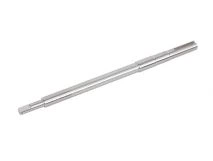
In some cases, upgrading to high - performance components can significantly reduce heat generation. For example, Servo Motor Shaft can provide more precise power transmission, reducing the stress on the drive belt pulley. Similarly, Internal Spline Shaft and Precision Step Shafts can improve the overall efficiency of the system and reduce heat.

Regular Maintenance and Monitoring
Regular maintenance is key to keeping the drive belt pulley system in good condition and reducing heat generation. Here are some maintenance tasks that should be performed regularly:
- Inspect the Belt and Pulley: Check for signs of wear, damage, or misalignment. Replace any worn - out belts or pulleys promptly.
- Clean the System: Remove any dirt, debris, or contaminants from the belt and pulley surfaces. This can help reduce friction and prevent heat buildup.
- Monitor the Temperature: Use temperature sensors to monitor the temperature of the drive belt pulley. If the temperature exceeds the normal range, it could indicate a problem that needs to be addressed.
Conclusion
Reducing the heat generation of a drive belt pulley is crucial for ensuring the longevity and efficiency of the machinery. By optimizing belt tension, ensuring proper alignment, selecting the right materials, implementing cooling systems, maintaining proper lubrication, and upgrading to high - performance components, you can effectively manage the heat in your drive belt pulley system.
As a drive belt pulley supplier, I'm committed to providing high - quality products and solutions to help you overcome these challenges. If you're interested in learning more about our drive belt pulleys or need assistance in reducing heat generation in your system, I encourage you to reach out for a procurement discussion. Let's work together to improve the performance and reliability of your machinery.
References
- "Mechanical Design Handbook" by Robert C. Juvinall and Kurt M. Marshek
- "Belt Drives: Selection, Application, and Maintenance" by the Rubber Manufacturers Association
- Technical papers from leading pulley and belt manufacturers